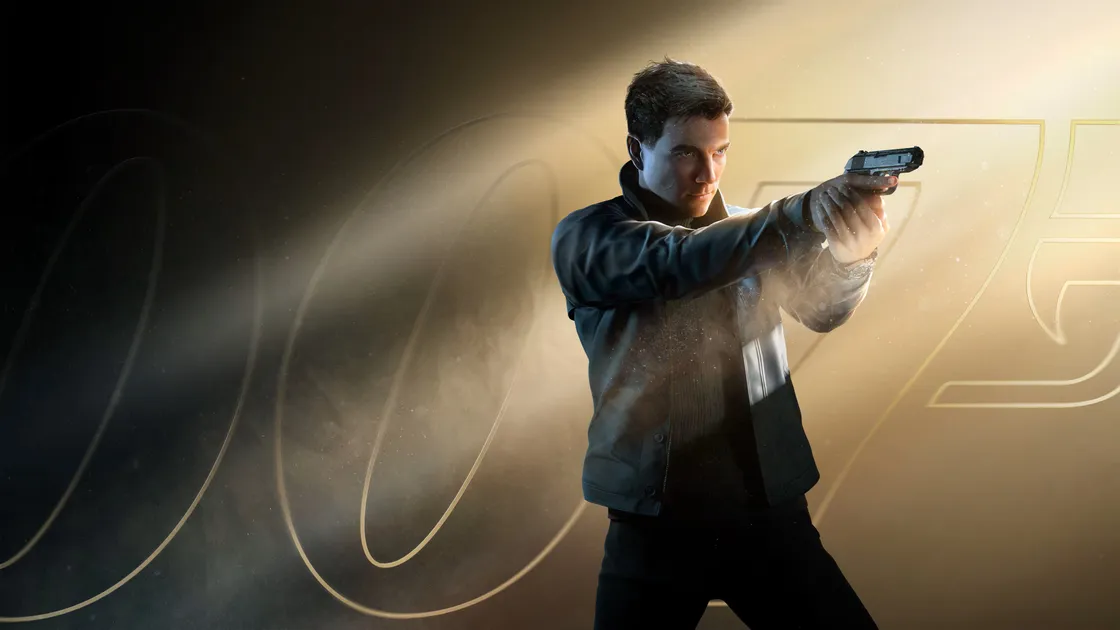
007: First Light
IO Interactive. PS5. (Also for Xbox Series X/S, Switch 2, MS Windows)
While the world waits to find out who will be the next James Bond in the movies, fans who happen to be gamers can relish this alternative take on his story with an all-new cast and a glimpse into the untold early years of his career.
This casts Bond as a young man in his 20s who is thrown into a life or death situation before he is recruited by MI6 and sets out on his path towards becoming the super spy we all know and love.
But here he is far from suave and sophisticated but more cocky and headstrong, traits which don’t initially endear him to his fellow trainees.
The opening mission is also the game’s pre-credit sequence and we are then treated to a ‘proper’ Bond opening song and credits co-written by the composer who’s been involved in the last few hit theme tunes and performed by Lana Del Rey. It’s not up there with my top three Bond songs, but it’s certainly nowhere near the worst.
Taking on the role of the young Bond is actor Patrick Gibson, who was the young serial killer Dexter Morgan in Dexter: Original Sin and his motion-captured performance is first rate, as is the voice acting of the others in the cast.
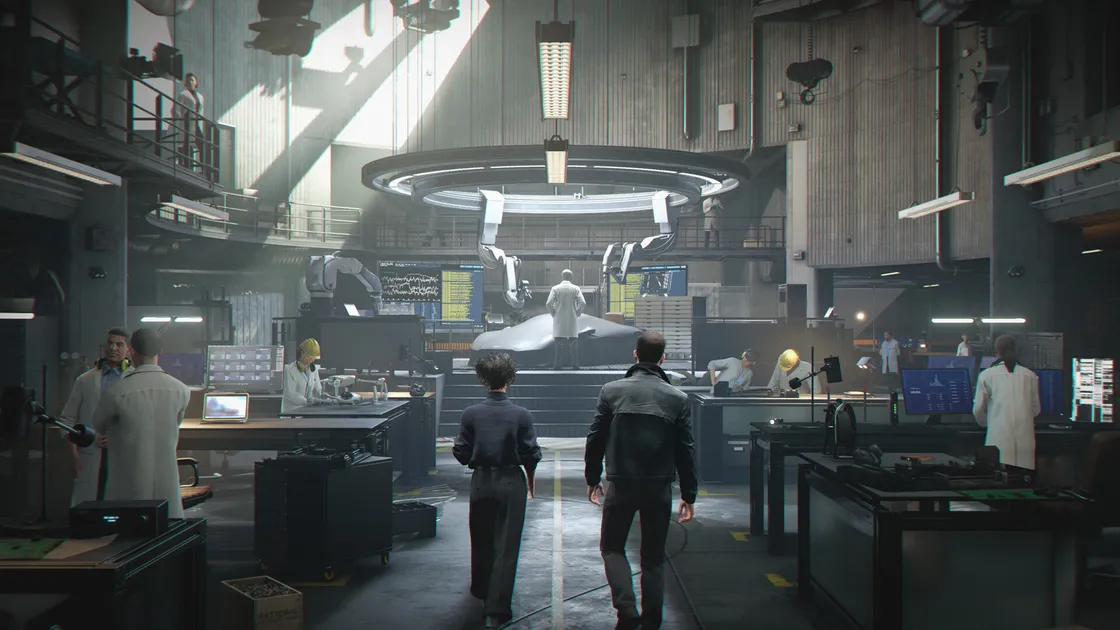
I loved the opening hour or so in particular, since it introduces new versions of classic Bond characters and even lets you wander around Q’s lab, fiddling with some of the toys that he and his team are working on.
The training sequences allow both Bond and you to learn the mechanics of spying, and I was impressed and surprised at the way the game handled the various disciplines, from driving to shooting to hand-to-hand combat, making them into an interactive montage that gives you plenty to do but never becomes the sort of rather tedious tutorials that I’ve experienced in some games.
Developed by the people behind the recent Hitman games there are few elements that felt similar, such as putting on disguises and avoiding getting too close to higher ranking enemies and this is evident in the first proper MI6 mission, which is set in a huge chateau filled with people who you have to move around while pursuing one target.
There’s no disguising yourself at this point, but you are able to use the game’s lure and bluff features which can help you get past a lot of lesser characters.
Bond wouldn’t be Bond without car chases, and this is where I felt the game felt a bit lacking since these were – certainly at first – a bit run of the mill.
Yes, you can leave the road and take short cuts, but I didn’t find the car controls very responsive and was glad when he was back on foot again.
While the crowd scenes are almost pure Hitman, the action sequences are reminiscent of the Uncharted series, complete with climbing sections and, of course, scenes where he’s shooting at bad guys.
Helping him in most situations are Q-provided gadgets which accesses with contact lenses linked to his watch, such as smoke grenades and one or two gadgets able to incapacitate enemies or activate electrical equipment.
This is as close as we’re going to get to a Bond movie for a while and it’s a worthwhile addition to the franchise, in my opinion.
Cthulhu: The Cosmic Abyss
Nacon. PS5 (Also for Xbox Series X/S, MS Windows)
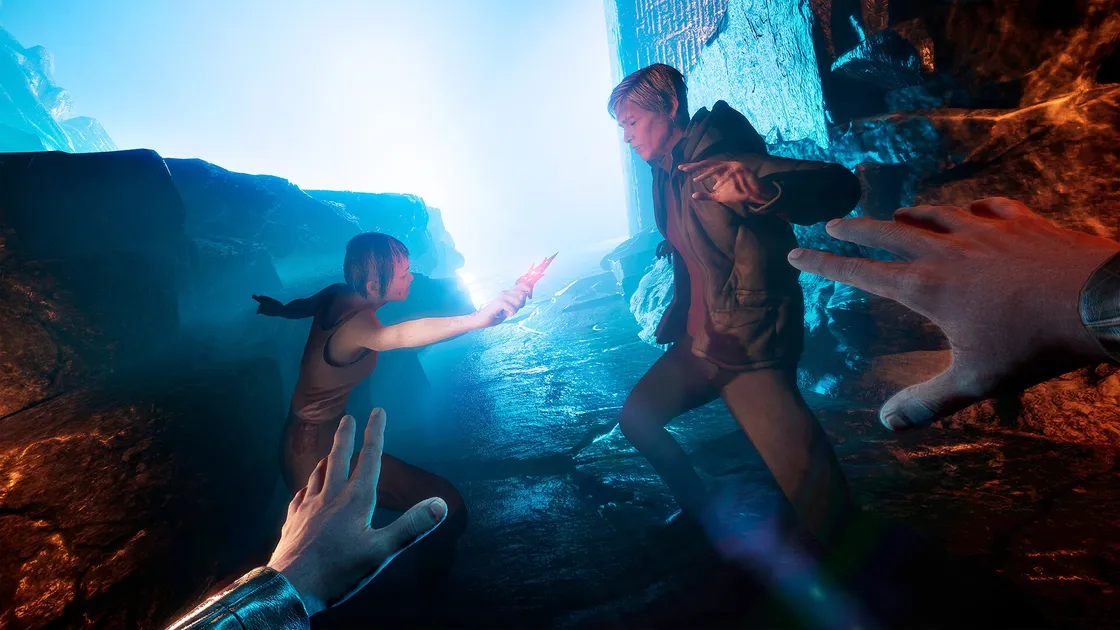
GAMES that use the stories of HP Lovecraft as a setting usually take place in the past and in towns or villages close to the ocean so you get a lot of moody old buildings and wooden shacks along with crusty old characters.
So it came as a pleasant surprise to find that this one is set in the not-too-distant future, with a team of researchers and scientists investigating mysterious goings-on in a laboratory thousands of feet under the sea.
The action is told in first-person perspective as you explore both the surrounding area, thanks to your high-tech suit which can withstand the immense pressure, and the base itself.
It’s clear something has gone very wrong and you have to play detective in order to solve the mysteries and progress your quest.
And that is the heart of the gameplay. Exploration yields snippets of information and key items that all get added to your AI-assisted ‘vault’, which is essentially a collection of clues that you’re able to manipulate to solve various problems and lead you to the next step of the mystery.
A key feature is a sonar scanner that you’re equipped with that you’re able to set to track frequencies of different materials, from human blood to things like steel and even unknown materials that you find.
Using this guides you to more elements of the same thing, so if you’re tracking blood you’ll be able to find bodies, while tracking electronic equipment can point you to laptops and tablets that contain useful information. I enjoyed this feature since it encouraged you to think about what you needed to find and to narrow down what you were looking for.
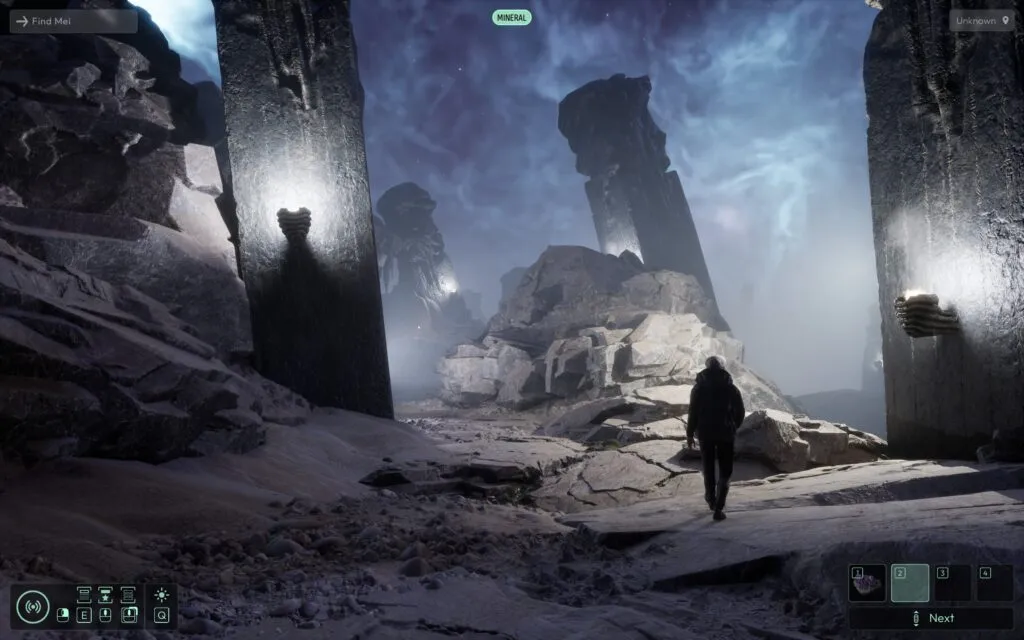
Unfortunately, though, this led to the game’s biggest flaw – how easy it is to miss a key element and progress to the point where you’re stuck with no idea why.
That happened when I didn’t notice a small piece of metal that was tainted with the blood of a mysterious creature, which I needed in order to track it.
Once I’d discovered my mistake, I had to backtrack before things could progress. Fortunately, the game does have a mode which provides more guidance, and switching to this helped.
I suspect the game would play better on PC since a lot of it involves moving the cursor around the screen to highlight objects in order to examine them and this is a much more tedious process using a game controller than a mouse.
You can pick up and carry many objects but you’re limited to only four at a time so you need to be choosy. In most cases you won’t know what you need until later, so if you find something that you think might be necessary to solve a puzzle you can track it.
It won’t be everyone’s cup of tea but I enjoyed the relaxed pace and exploring the visually interesting and creepy locations.