
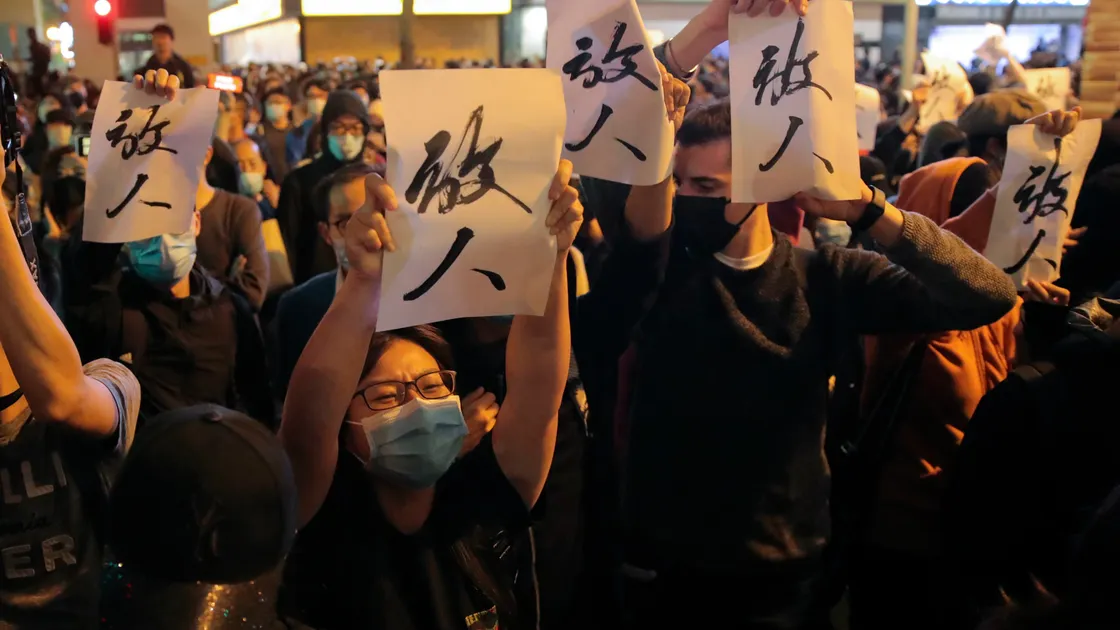
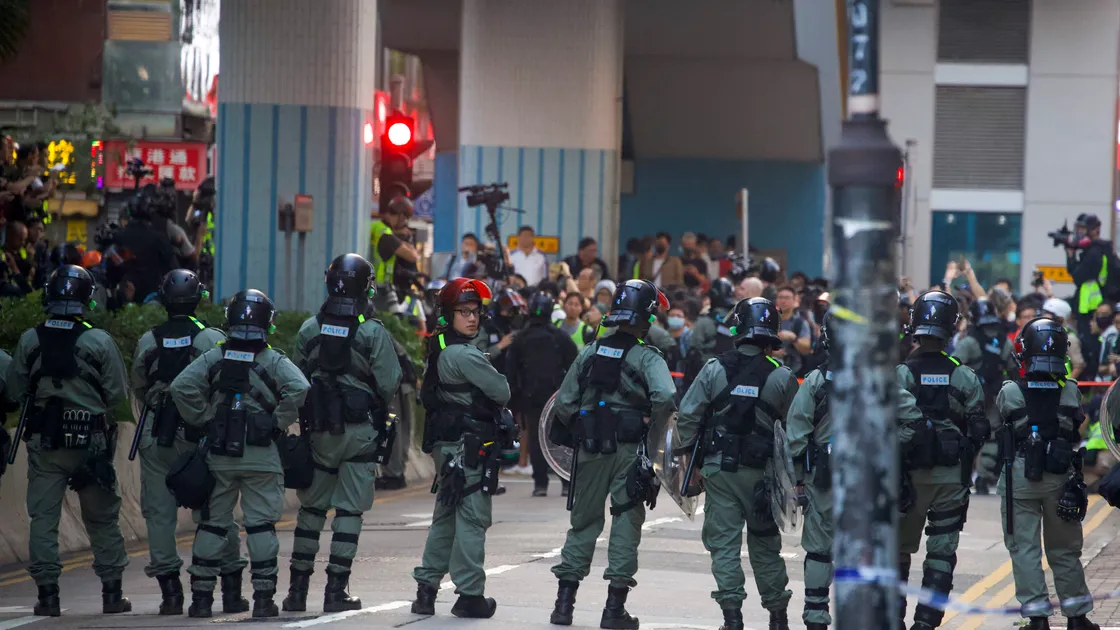
The region has attracted the attention of the world in recent months as the protests have given rise to some of the largest outbursts of civil disorder in Chinese history and strong police crowd control tactics.
Guernsey Finance’s Hong Kong representative Dorothy Kwok has been giving an insight into what her life is like now in the place where she has lived for the past 30 years.
The average working day has been affected significantly, according to Ms Kwok, because of the destruction of metro stations, roads and traffic lights.
‘Normally the working day in HK is from 9am to 6pm. However, during the current situation and transport problem, especially these past two weeks, people could only arrive at 11am and the company will ask people to leave earlier and get back home to stay safe because of the protests in Central and Western District. Normally, the traffic takes around 45 to 60 minutes. However, it takes more than two hours now if you are living in Kowloon and New Territories area.’

There have been many changes to the schedule at work but also in Ms Kwok’s personal life too.
‘For work, we are supposed to have an annual event and a lunch roadshow in HK, however, they were cancelled because of the protest. Also there are meetings that have to be re-scheduled. In my personal life – I am living, as are my family and friends, and working very close to the protest area. We used to have lots of activities during the weekend, however we have not been able to return to our normal life over the past five months. We can only stay inside and make sure we are back home earlier to stay safe. We need to be very careful of the speech, white terror is everywhere. Many heartbroken and sleepless nights have come when watching the TV and news, especially the attack in the two universities.’
Ms Kwok added that she was concerned about the air quality due to the tear gas used by Hong Kong police, which contains dioxin, a highly toxic component that can stay in the human body for more than 35 years.
‘They fired over 10,000 rounds of tear gas, some of them even fired indoors like at the MTR station and the shopping mall.’
In the city property is some of the most expensive in the world and therefore the experiences of living, working and commuting in HK are amplified when compared with other major hubs.
Given HK’s economic importance, the metropolis has a reputation to uphold and Ms Kwok thinks the ongoing situation is damaging in that regard.
‘Firstly, the Fitch Ratings has downgraded Hong Kong from AA+ to AA, the latest sign that political instability and the city’s gradual integration into mainland China are eroding global confidence in the financial hub.
‘Secondly, about 46% of respondents the American Chamber of Commerce surveyed early in October were pessimistic about Hong Kong’s long-term prospects, up from 34% in July.
‘Lastly, another survey on emigration by the Chinese University of Hong Kong was released in early October: the result finds that 42.3% indicated they would emigrate if they had the chance.’
The protests were initially triggered by the introduction of the Fugitive Offenders amendment bill by the HK government.
There have now been more than 2,500 arrests made by police.
Pro-democracy candidates scored a landslide win in local elections on the weekend, while Chinese state media called the results skewed.


You need to be logged in to comment. If you had an account on our previous site, you can migrate your old account and comment profile to this site by visiting this page and entering the email address for your old account. We'll then send you an email with a link to follow to complete the process.