
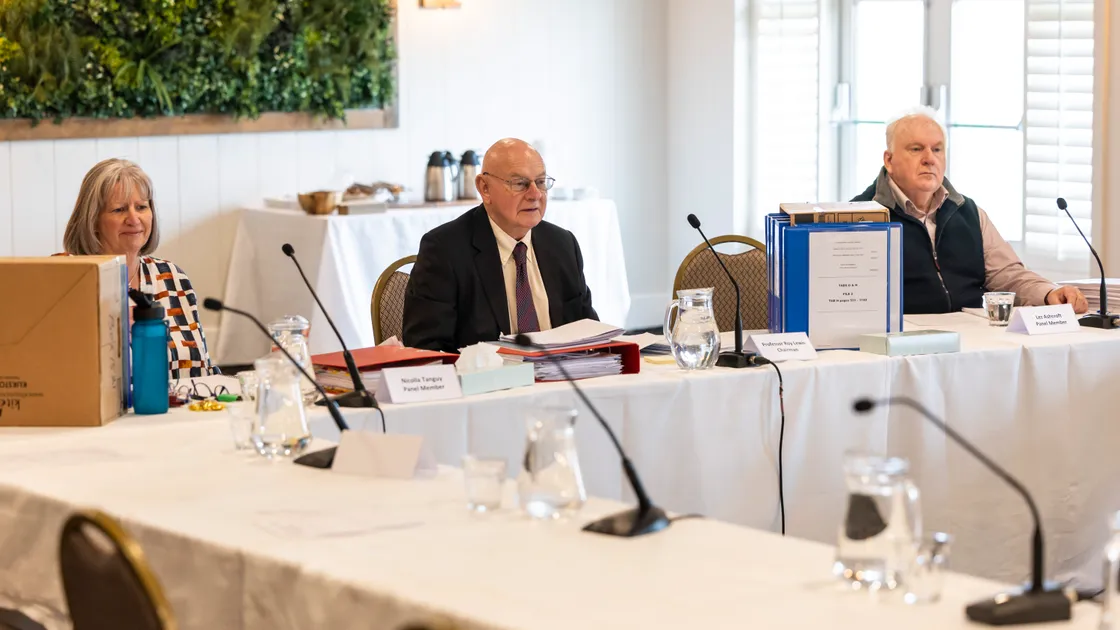
An industrial tribunal has rejected claims brought by the Guernsey Police Association and a group of more than 200 civil servants that the States broke its promises to them by changing the rules of its pension scheme without consultation.
Lawyers for the applicants – more than 50 present or retired police officers and 209 civil servants under the name of the ‘Group of 50’ – argued that the reforms, which changed the public sector pension scheme from a final salary scheme to a career averaged revalued earnings scheme in 2016 and were later amended in 2019, constituted unlawful changes to their employment contracts without their consent.
A finding in the applicants’ favour could have also applied to other current and past States employees, thereby substantially increasing pension and payroll costs and the burden on the taxpayer, who would be funding the final bill.
However, the tribunal found that, while the changes did alter their terms and conditions of employment, they were implemented following a reasonable and lengthy consultation process and were lawfully executed.
The hearing took place in March at the Peninsula Hotel, after the applicants’ complaints were originally referred to a tribunal – against the States’ wishes – by its own industrial disputes officer in 2022.
Both sets of applicants claimed that they had not consented to the pension changes and were not properly represented during the consultation process.
The GPA argued it had been ‘railroaded’ when the States abandoned a promised legal declaration on the pension changes in favour of proceeding after union ballots had approved the changes by a narrow majority.
But the tribunal dismissed this view, finding the States had conducted a thorough consultation over several years, including negotiations, mediation, and ballots.
While the GPA and some other unions voted against the reforms, the majority of unions – including those representing 76% of civil servants – approved the changes in late 2015.
‘This consultation process was not only lengthy but also reasonable,’ the tribunal stated in its judgment.
On the basis that the rules governing pensions were legislative and not contractual, the tribunal said the States was entitled to amend the rules at any time by way of States Resolution without obtaining the consent of all affected employee members of the pension scheme, irrespective of whether such an amendment had an impact on individuals’ pension benefits.
Although it agreed the changes constituted a variation of employment terms, it emphasised it was not within its powers to award damages or restore the old pension scheme, its jurisdiction being distinct from that of the Royal Court.
The Policy & Resources Committee was approached for comment.





You need to be logged in to comment.