

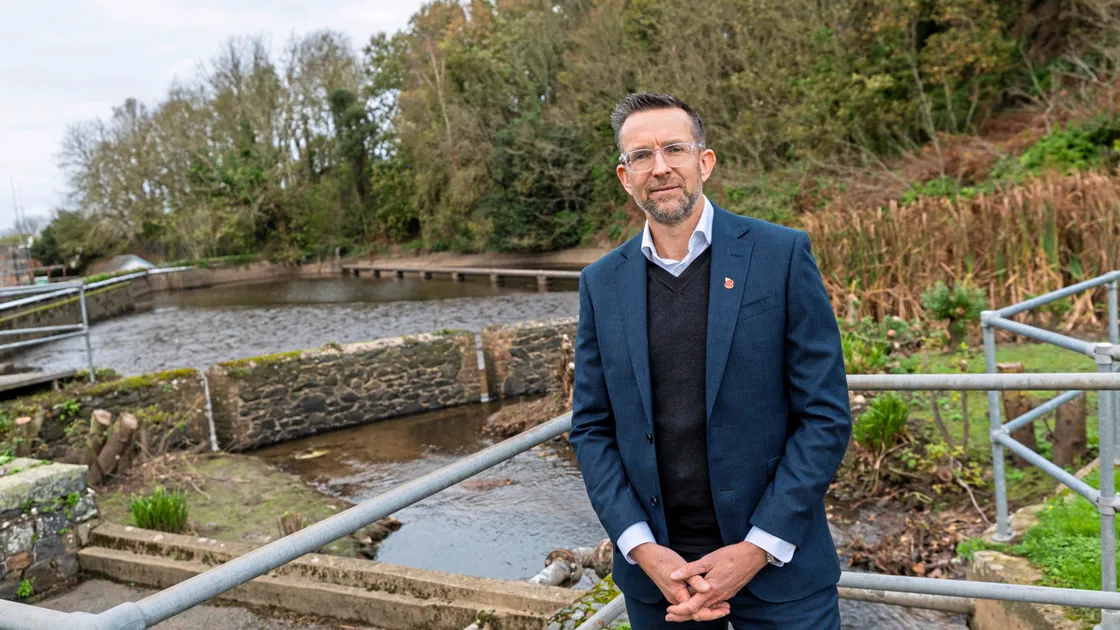
Annual charges will rise to an average of about £650 for households with a water meter, which is approximately two-thirds of domestic properties, and about £950 for those without a meter.
Guernsey Water managing director Steve Langlois said the utility had to raise charges to allow it to double the value of its investment in the water and wastewater network and prevent water shortages over the next dozen years.
‘The issues we face are identical to what water companies across Europe are having to deal with, just without the economies of scale,’ said Mr Langlois.
‘We must prepare for a greatly increased risk of severe drought in future, which for an island poses additional risks. That means ensuring we have more capacity and greater resilience.
‘At the same time, we cannot neglect the infrastructure we are already using today. It has been built up over the last 100 years and much of it requires renewal. We must invest adequately in this to ensure it remains stable and continues to meet the island’s needs.’
Mr Langlois said that delaying investment in the network now would increase the risk of water shortages in the future and leave customers facing higher price increases in the long term.
More than half of the £130m. investment plan between now and 2037 relates to improving existing facilities and equipment.
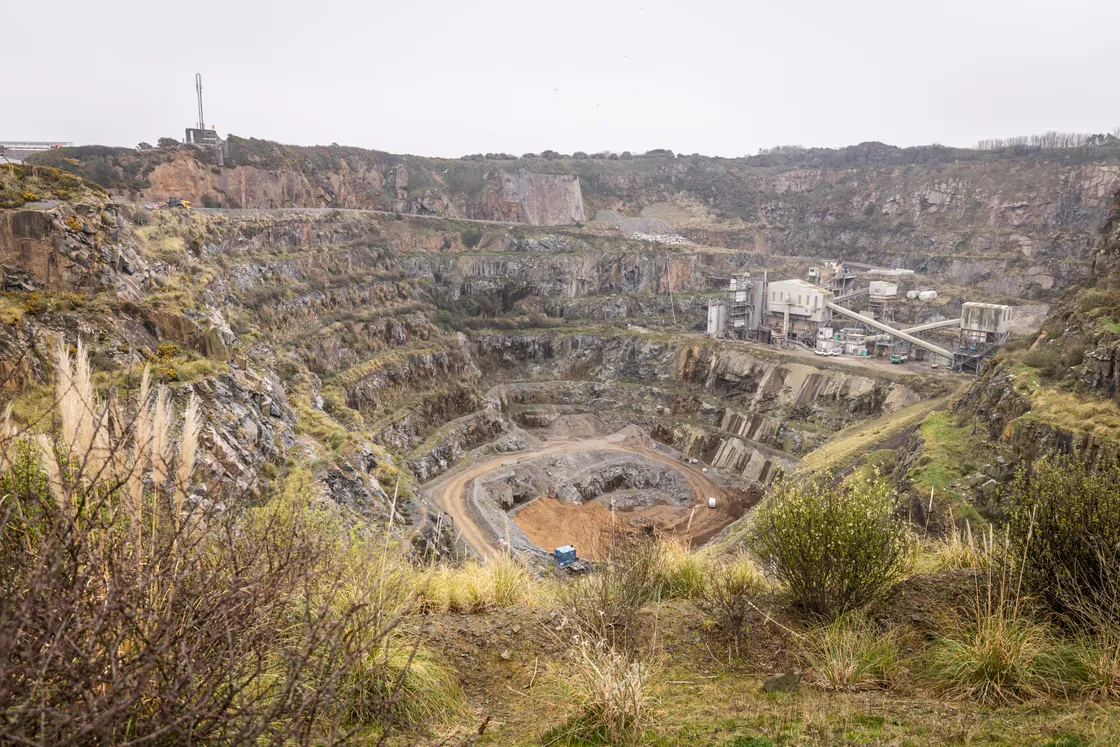
About £20m. has been earmarked to turn Les Vardes Quarry into the island’s largest reservoir, although the cost of that project will remain indicative until further preparatory work has been carried out.
Another approximately £20m. will be spent upgrading water treatment works.
About £7.8m. will be spent on the whole programme next year but annual expenditure will eventually rise to more than £10m.
But the latest price rises mean that water and wastewater bills will have risen by about 20% between 2024 and 2026.
Although Mr Langlois could not guarantee keeping price changes in line with inflation beyond 2026, he anticipated smaller increases than this year and next year. Additional borrowing will also be taken on to help fund the investment plan and repaid by future water customers.
Guernsey Water, which has returned to surplus after years of losses, has agreed an efficiency savings target of £355,000 next year, although its costs overall are still expected to increase.
Less rainfall and rising population are driving capital spending
Less rainfall, more people and higher safety standards are behind Guernsey Water’s announcement today of a large increase in capital spending over the next 12 years.
The utility has typically spent £4-5m. a year upgrading facilities and equipment in its water and wastewater network, but it now plans to double that figure and invest nearly £130m. by 2037.
‘We have to continue renewing our infrastructure, parts of which are up to 100 years old, but we also need to invest to meet new drinking water standards, plan for growth based on the States’ population policies, and enhance our resilience to climate change,’ said Guernsey Water managing director Steve Langlois.
Higher levels of inward migration agreed by the previous States are projected to result in a population of nearly 70,000 in the next 25 years, causing additional demands on services, at a time when rainfall is expected to continue declining.
Rainfall between January and September this year was 13% below the average for the past decade and 15% below the 30-year average. Storage levels in reservoirs dropped well below average last summer and remain lower than water bosses would like.
In response to these pressures, deputies agreed in May to turn Les Vardes Quarry into a reservoir in the 2030s, increasing storage capacity by about a third, and Mr Langlois said the timetable for this work remained the same following the election of new States committees in July.
Part of the £130m. plan will see improvements to water treatment works to make sure the island continues to enjoy safe drinking water as international quality standards improve.
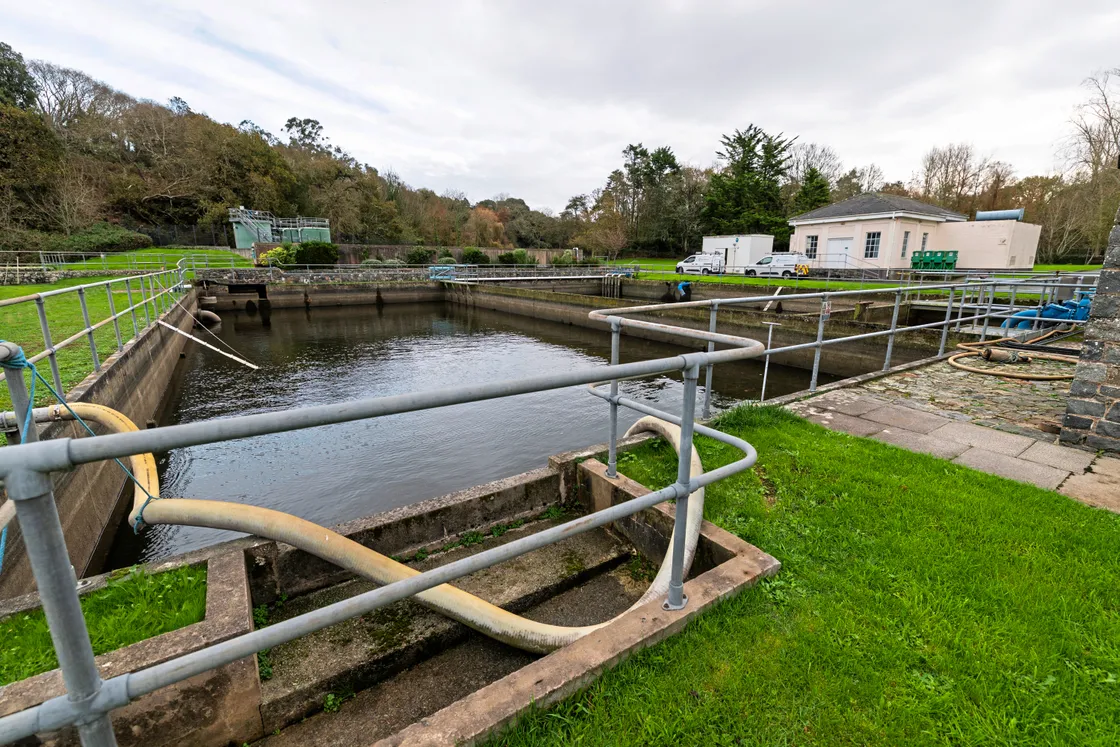
Enhancements will also be made to allow the water from several streams to be brought into the network and made safe for drinking whereas it is currently not captured due to the presence of pesticides and other chemicals such as Pfas.
But the largest part of the investment programme will involve spending just over £70m. replacing or upgrading existing facilities and equipment, including water mains and storage tanks, sewers and manholes, pumping stations and the wastewater centre at Belle Greve.
The 12-year investment plan will start with £7.8m. being spent on improvements in 2026.
The single-largest project next year is expected to be the next phase of the new ring main, which will increase drinking water supply to the north of the island and enable more housing to be developed.
A budget of £650,000 has been allocated to refurbish the water storage tank at King’s Mills, which will follow this year’s £1.1m. refurbishment of the Forest Road storage tank.
Mr Langlois said that ongoing investment in facilities and equipment helped keep to a minimum any water lost to leakage and prevent sudden damage and resulting disruption, among a range of other benefits.
‘Failing to invest in the renewal of our infrastructure is not a cost-free option, as it stores up problems that will cost more to address in the future,’ he said.
‘If we were to do this, drinking water quality failures and water mains bursts would disrupt supplies to homes and businesses, and sewer collapses would cause flooding and pollution.
‘Minimising these issues is essential, but it is also important to prioritise investment to ensure customers get best value for their money.’
Read a full interview with Guernsey Water’s Steve Langlois in Saturday’s Guernsey Press





You need to be logged in to comment.