

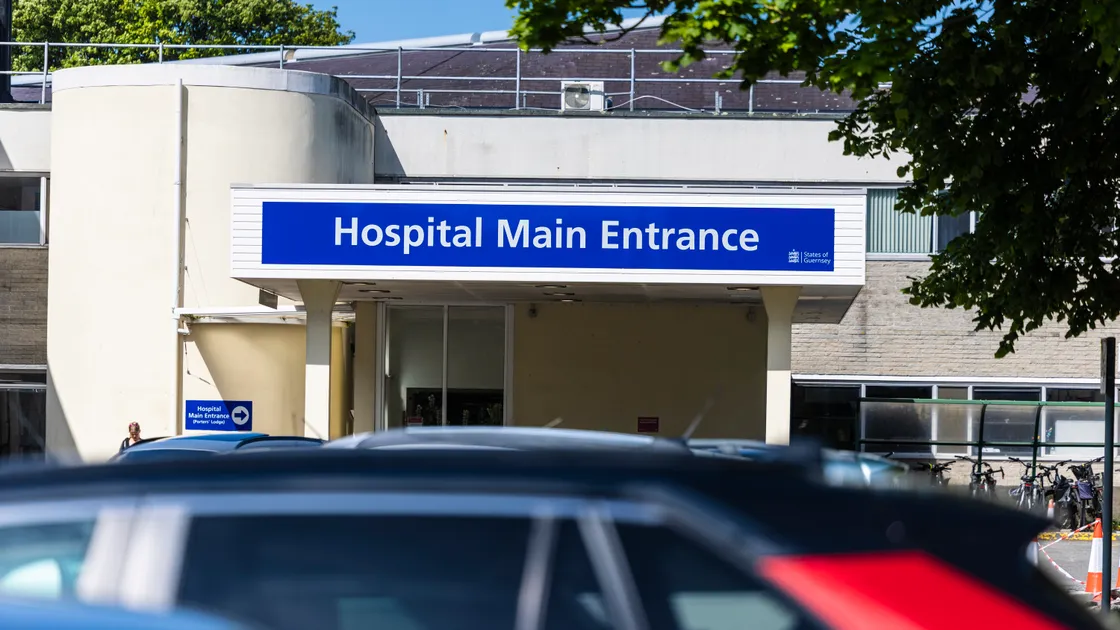
Secondary healthcare has been free at the point of use for the past 30 years, with the cost funded through social security contributions, but rising demand and expensive advances in treatment may force the States to roll back some of the free services offered under the specialist health insurance scheme.
Health & Social Care president George Oswald admitted that patients may face the reintroduction of user charges for specialist healthcare, as part of a radical rethink of the whole health system which is expected to be given top priority in a new government work plan due out this week.
‘We are just commencing this work programme, but I have to say there is a chance that we will have to pay something towards it – maybe just bed and board,’ he said.
Listen to the full interview with Deputy George Oswald on the latest Guernsey Press Politics Podcast
‘A lot of people have said many times in the past “I am going to hospital for a week or whatever, I am getting free meals three times a day, why shouldn’t I be charged a sum towards that?” I am not saying that is what we are going to do, but that might be a starting point.
‘In terms of contributing to the actual cost of the procedure, we might need to look at that.’
Deputy Oswald, a consultant physician before entering politics, was a founder and past chairman of the Medical Specialist Group, the States’ secondary healthcare provider under its specialist health insurance scheme.
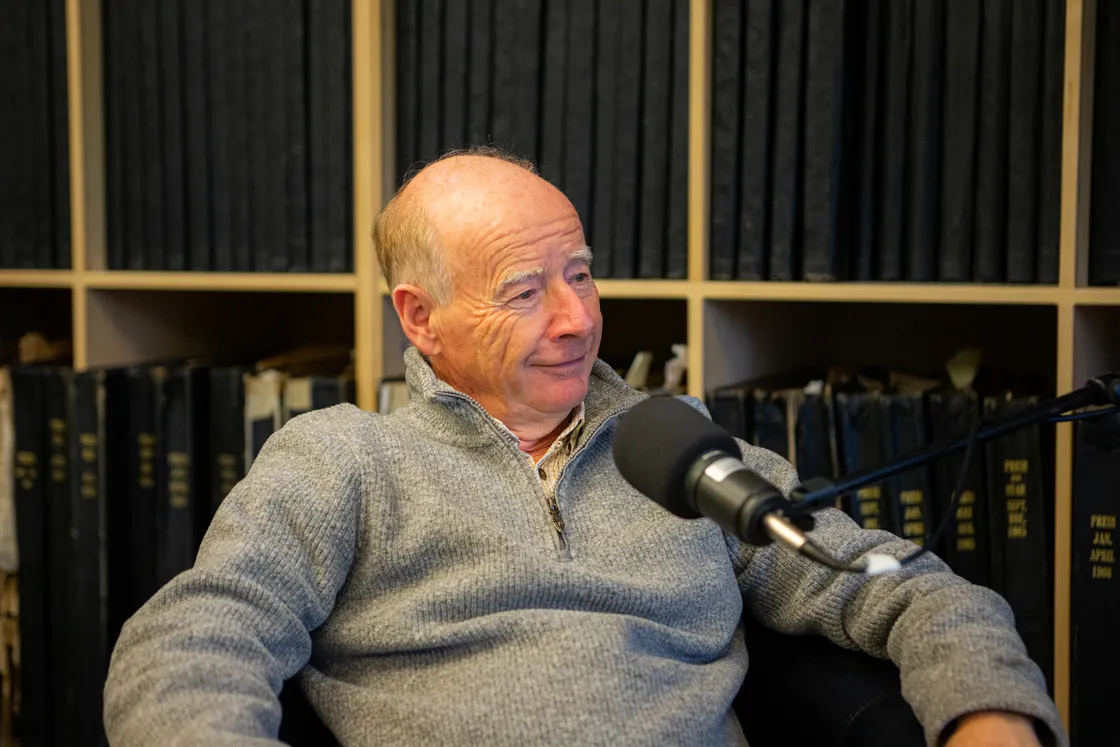
Prior to the introduction of that scheme in 1996, nearly half the island had no insurance cover, and many families avoided referrals for secondary healthcare or lived in fear of receiving bills for thousands of pounds for specialist procedures.
Deputy Oswald ruled out that there would be a return to those days while he was leading HSC and stressed that any user charges would be set at a lower level, and paid only by people who could afford them.
‘I saw in days gone past people in severe financial difficulty faced with an unexpected operation and no way do we want to go back to that situation,’ he said.
‘We need to protect those who are most vulnerable and most in need and those who can least afford it. But it does mean some of the rest of us might have to pay a little bit extra.’