

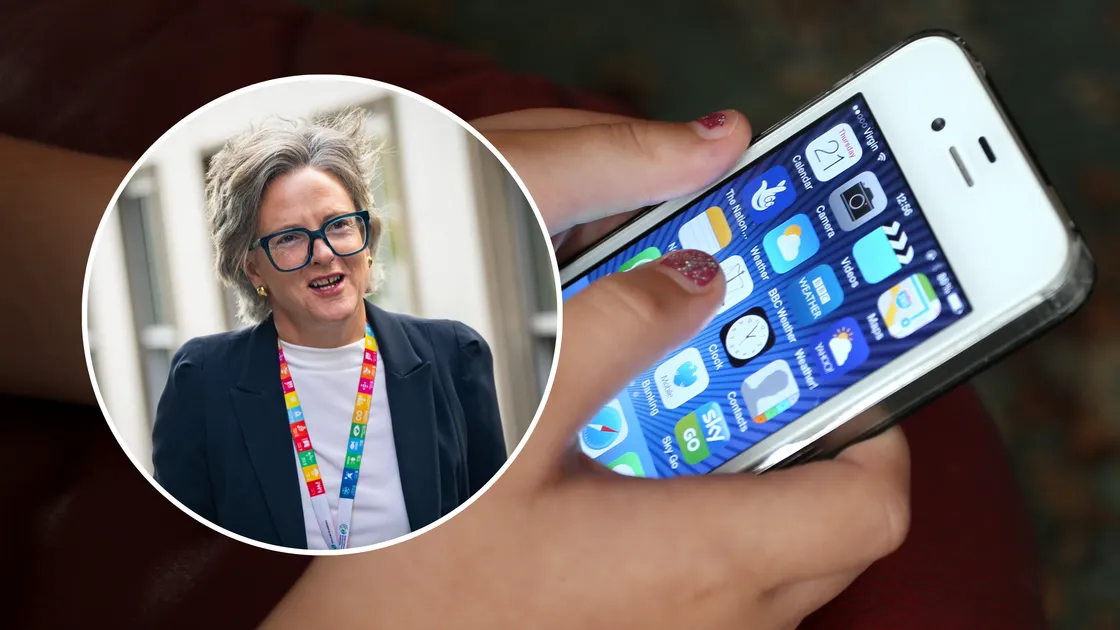
Children under 14 would no longer be allowed smartphones and those under 16 would be kept off social media under digital safety ideas being developed by Sally Rochester. She will also press for all secondary schools to use lockable pouches which can prevent students using phones except in emergencies, as well as more lessons in school on the benefit and harm of technology.
She hoped the changes would be prompted by a new ‘national strategy for young people’ which she will propose adding to the 2025-29 Government Work Plan by amendment when the States debates it next month.
‘My take on the Government Work Plan is that there isn’t enough focus on children and young people,’ said Deputy Rochester, a supporter of the local campaign group Smartphone-Free Childhood.
'We shouldn’t accept technology shaping childhood as it is today. I have not come to this position easily, but I don’t see a quicker or better way of saying as a community that our children deserve a childhood which enables them to grow and develop. There is no solution other than saying they shouldn’t have a smartphone in their hand until they are 14. We can talk about that age, and there might be an argument for 12 or 16 instead, but 14 is my starting position to encourage the conversation.’
Deputy Rochester also wants the new strategy to guarantee more opportunities and support for a generation of youngsters she worries are being let down by leaders failing to keep pace with rapid changes in technology detrimental to their quality of life. This could include enhanced facilities and more social spaces for children, additional support for organisations focused on youth work, and a renewed effort to protect mental health and wellbeing.
‘There is a whole generation we know are being harmed – why isn’t it our problem?
‘That’s why I think it has to go into the Government Work Plan. It is so cross-cutting across so many committees, and unless it goes in that plan, we’re not going to give this the airtime it deserves.’
Australia recently introduced a ban on social media use by children under the age of 16 and several European countries are planning similar moves.
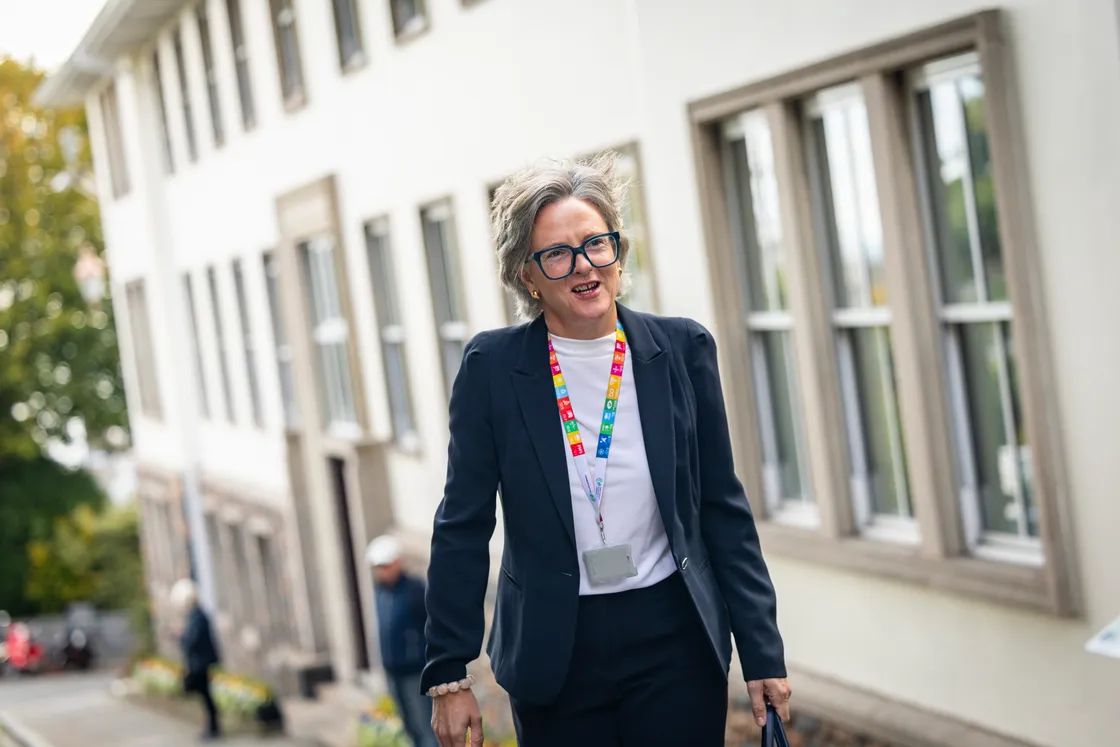
Since being elected to the States in July, Deputy Rochester has worked in the background on ideas to tackle the huge influence of smartphones and social media on children, including with politicians and officials at Education, Sport & Culture and Home Affairs.
She did not want to launch a public campaign prematurely, or override work she believed was being done across the States, but she saw the Government Work Plan, published earlier this week, as her best chance of accelerating reforms to protect children. A mum of two herself, Deputy Rochester said she was driven to reduce online harm and enhance health and social support as ‘foundational principles’ of a new deal for local youngsters.
‘In the Government Work Plan, there is focus from birth to five and a bit on young people’s mental health, but for me there is a gap about a generation who I feel are really struggling in terms of opportunities on the island and mental and physical wellbeing, and for them to be missing from the Government Work Plan worries me,' she said.
As well as legislating for bans and changing policies in schools, Deputy Rochester would like to see childcare providers issued with more guidance on the use and misuse of digital devices.
‘The outcome will be age-appropriate protection, an overall reduction in the use of harmful technology, and a better understanding across the community of how to capture the benefits and mitigate the harm of technology,’ she said.
She was in favour of children using technology responsibly, rather than trying to keep it away from them altogether, and believed local laws and regulations to reduce misuse could potentially be reversed in the future.
‘I hope that when the problem is solved globally, we can start to roll back protections we’ve put in place,' she said.
‘I don’t want people to think this is the rest of life.
‘This is about us using the tools we have to protect our children in the Bailiwick until such time as we’ve reached an acceptable position globally. It’s not like we would be an outlier if we were developing an under-16s social media ban.’