Its latest inspection took place over three days in November last year, when eight inspectors observed lessons and registration periods, toured the site, observed extracurricular activities and had discussions with leadership, members of staff and pupils.
Observations covered the entire college from pre-school to Upper School.
The five areas examined were leadership, management and governance, quality of education, training and recreation, pupils’ physical and mental health and emotional wellbeing, pupils’ social and economic education and contribution to society, and safeguarding,
Principal Jenny Palmer said the report confirmed the strengths of the provision at the college.
‘We welcome the recommendations, which align with internally identified development priorities, and we remain focused on continuous improvement to ensure the very best outcomes for every child at Elizabeth College,’ she said.
‘This report reflects the commitment of our outstanding staff, the support and challenge provided by our directors and the engagement of our pupils, students and parents.’
There were two recommendations contained in the report.
Most of the college buildings are based to the east of Upland Road, but the college also uses a building on the other side of the road.
The Independent Schools Inspectorate raised concerns about access across the road.
One of the specific areas highlighted was the back gate entrance to the Upper School Campus from Upland Road, where hundreds of students enter and exit on a daily basis.
The inspection recommended that the current programme of site refurbishments be completed in a timely manner, and the college has already applied for planning permission for new gates.
The second recommendation was to ensure that teaching in the junior school consistently meets pupils’ needs through an appropriate range of methods and activities.

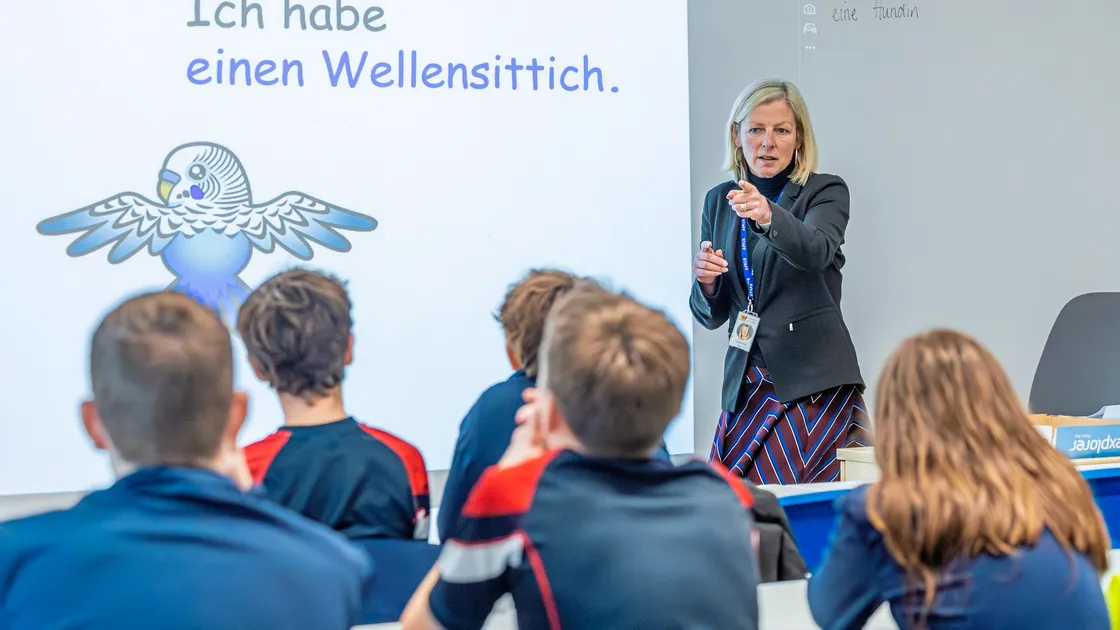
‘Teachers know pupils well and typically plan lessons that consider their needs, prior attainment and build on their existing skills and understanding,’ the report said.
‘In the upper school, teachers adapt activities so that they are well matched to the needs and interests of pupils.
‘In the majority of lessons in the junior school, teachers’ subject knowledge and range of teaching activities are highly effective at meeting the needs of pupils. However in a few cases teaching activities are not as well adapted to the needs of pupils and their learning and progress is not as consistent.’
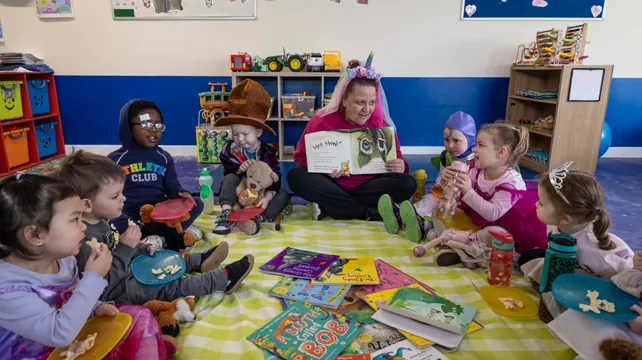
Children in the early years were noted as making good progress towards their developmental milestones because teaching is planned around their needs.
Throughout the college, effective measures are in place to support pupils’ mental health and emotional wellbeing. Appropriately-trained staff provide pupils with individual support when required.
Support for pupils with special educational needs was praised, and effective use of diagnostic screening tests and the readiness of teachers to liaise with specialist support staff means that the needs of pupils are identified swiftly and provided with individual learning plans.
Inspectors found that there are positive relationships between all members of the school community.
‘Older pupils often show kindness to those younger than themselves. Behaviour is well managed,’ it said.
‘Pupils demonstrate respect for others and any low-level acts of unkindness are quickly identified and managed effectively by teachers and leaders.
‘The school responds promptly to any instances of bullying, supporting all parties involved and reviewing any lessons to be learned with care.’