


The importance of the early years was highlighted at the return of the Joyous Childhood Family event at the weekend, as the States showed new parents ‘the village’ available in the island.
The largest period of brain growth occurs between conception and the age of five, and this free event – hosted by the States Early Years Teams – aimed to shed light on that. Some 30 agencies hosted stalls focused on the different areas of brain development, including physical, social and emotional, and speech and language.
THE ORGANISER
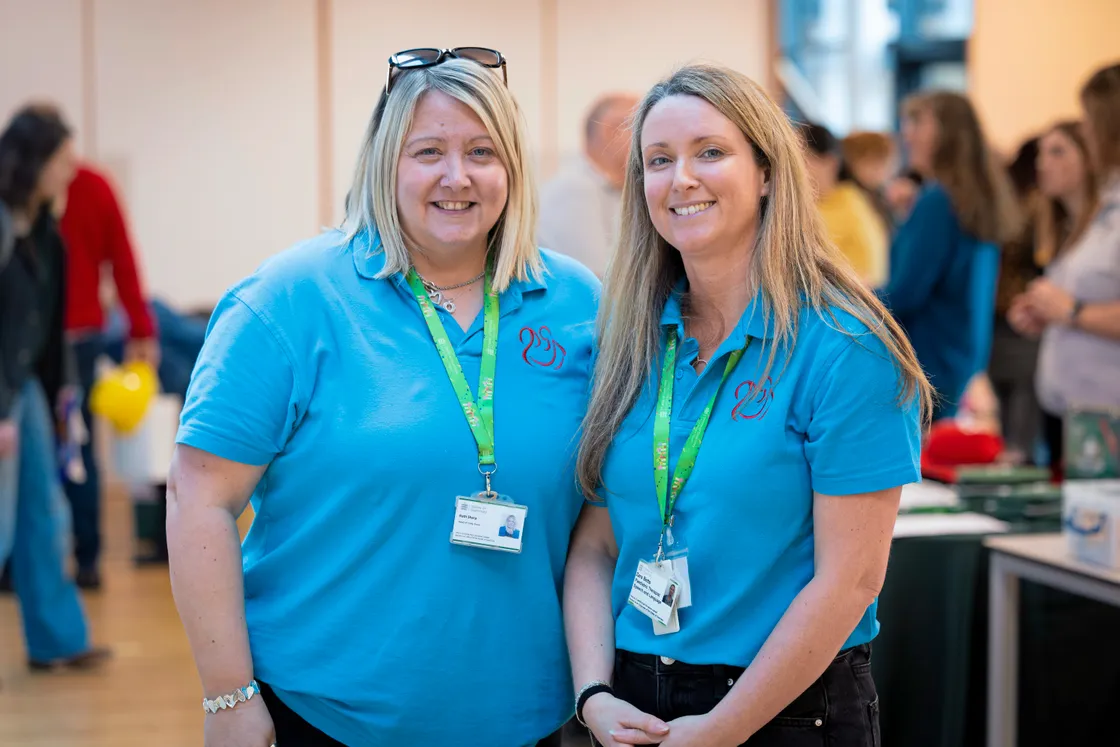
‘We know that parents in Guernsey, who are maybe new to the island, don’t have their support network of friends and family around them,’ said Zara Betts, Early Years’ speech and language specialist, who coordinated the event, being held for a second time.
‘A big emphasis of today is that this is “the village” – these are all the people that are around, readily available to support you. Raising young children can be challenging, and many local families are facing additional pressures such as the cost of living and the increasing impact of navigating the digital environment as children develop.’
She said it was a top priority in the States’ agenda to provide Guernsey’s youngsters with everything they need for healthy and happy development, and to support parents with resources.
‘We’ve got lots of States services here, like physio and occupational therapy, and lots of charities too,’ said Ms Betts.
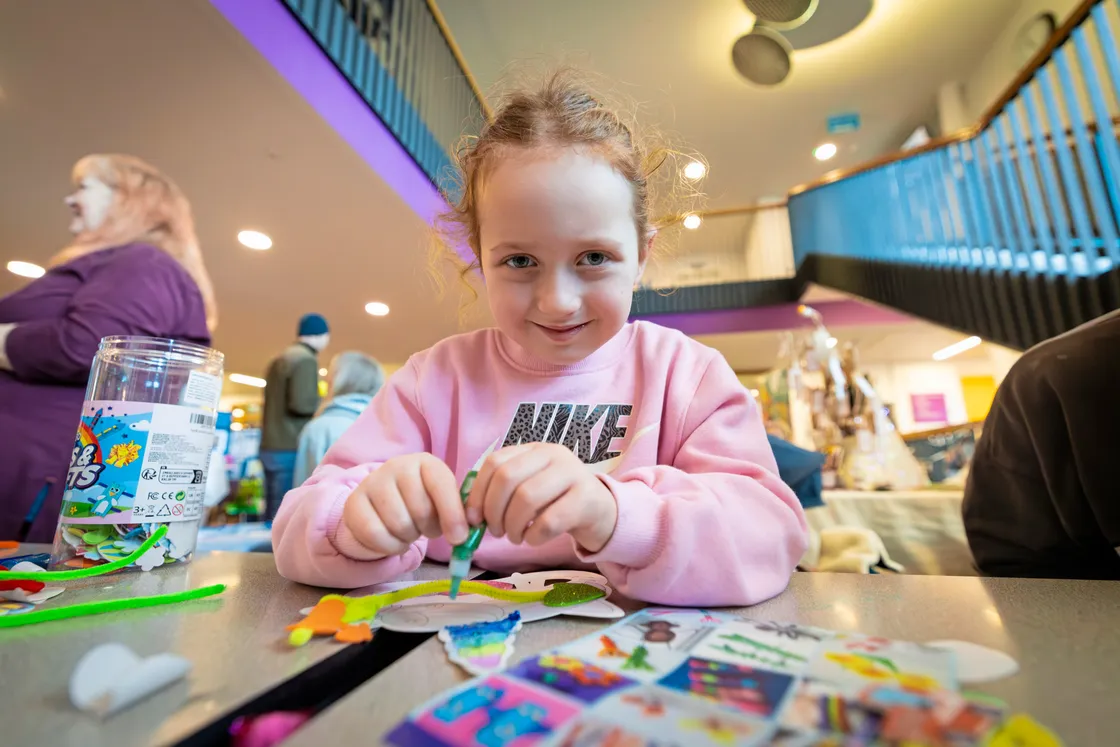
‘We’ve asked them all to bring their own brain-boosting activity, and they’ve all put so much effort in, it’s brilliant. They’re targeting key areas of development, but it looks like play. The parents and kiddies are having a great time, but actually they should find little take-away ideas to try at home.’
More than 600 people piled into Les Beaucamps High School for a morning of interaction and learning. Agencies present included the Health Improvement Commission, Home-Start, Bright Beginnings Children’s Centre, the Kindred Family Centre, Wigwam and Help a Guernsey Child. Each offered a wealth of information and resources from up-to-date research on a vast variety of areas, from reading and speaking to oral health and diet.
THE EARLY YEARS PRACTITIONER
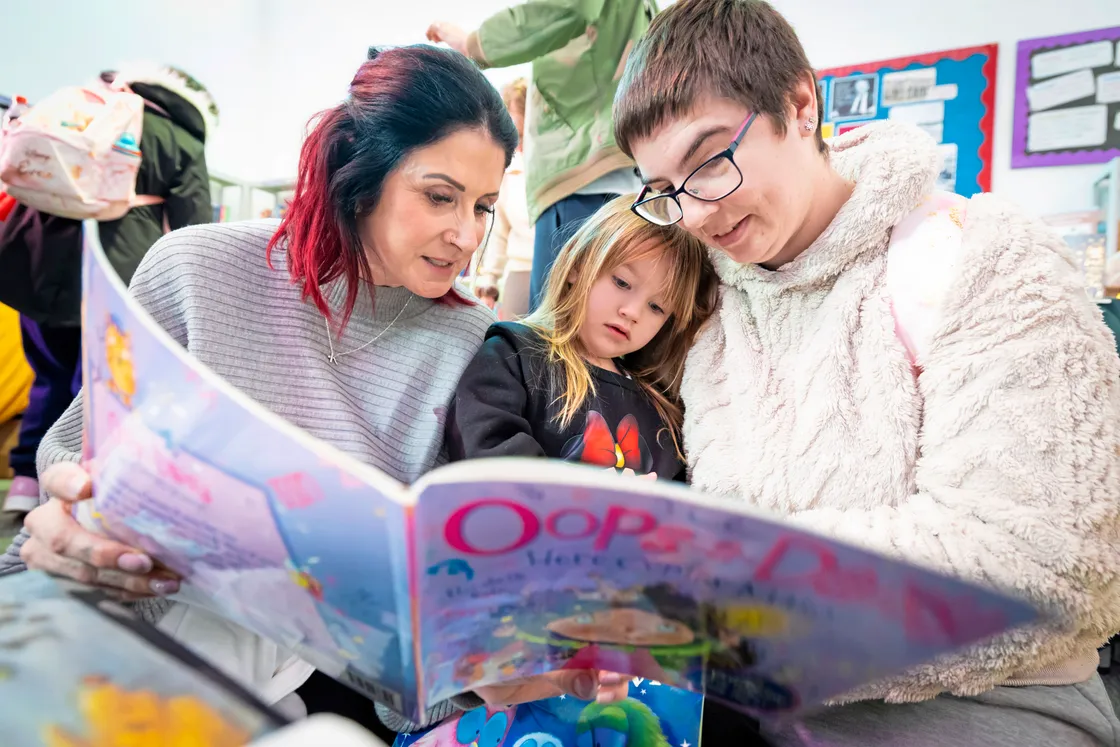
‘It was very busy, a really good vibe,’ said Karyn Merrien from Bright Beginnings.
‘Lovely to see lots of dads too. Key areas of concern we tend to hear from parents is speech and social skills. A big problem is that their youngsters won’t interact with other children, they won’t play – so they ask for advice on how to do that. And some parents say their children are struggling with speech, which is quite a big thing at the minute. I’d say that’s recently developed over the years with technology.’
Families were invited to watch Tabby McTat by Magic Light Pictures on the big screen, and every child under five with a pre-booked ticket received a free goodie bag.
THE PARENT
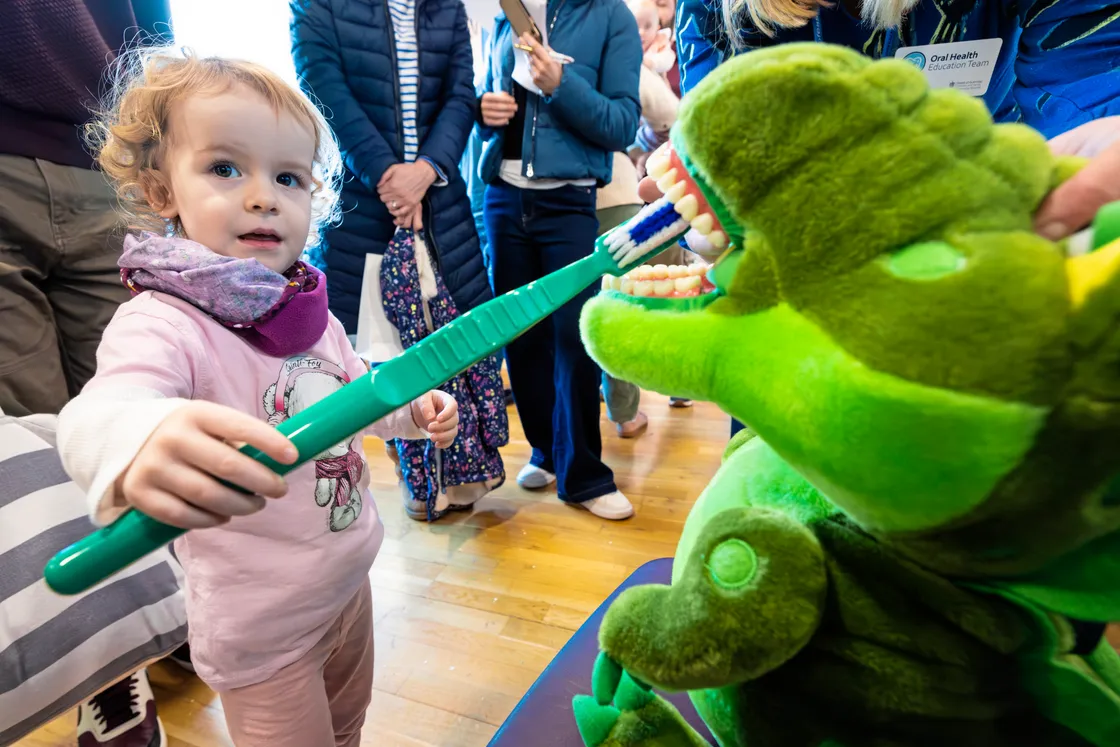
‘It just goes to show there’s a lot more going on in Guernsey than people think,’ said Gemma Underwood, who was joined by her husband James and their daughter Emilia, pictured – who was enjoying brushing every last tooth on Flossy the Crocodile.
‘James is from Kent, so his parents aren’t here, and my mum works a lot. It’s great to see all the support on offer. You don’t necessarily realise it until you come to events like this.’
THE TEACHER
Local secondary school teacher Emma Chesters was one of the visiting parents. She is head of geography at St Sampson’s High and said she knows the importance of building a strong foundation.
‘Trying to catch them early doors is brilliant,’ she said.
‘We have five children in the house between the ages three and 11. My two are older, so helping my partner’s youngest all the way through development again, you realise is really key to their whole person. Everything from reading capabilities, their confidence and mental health. You’re trying to think ahead all the time and I think all the different activities here with the range of kinaesthetic, visual and auditory – just tries to capture it all, it’s really good.
‘I wouldn’t live anywhere else. I think the safety, security and now the knowledge and awareness of the importance of all these things in education, makes the island the perfect place to raise children. It gives the population of Guernsey the confidence that this is valued. We see the difference in secondary education when children have had that positive input in primary.’
THE POLITICIAN
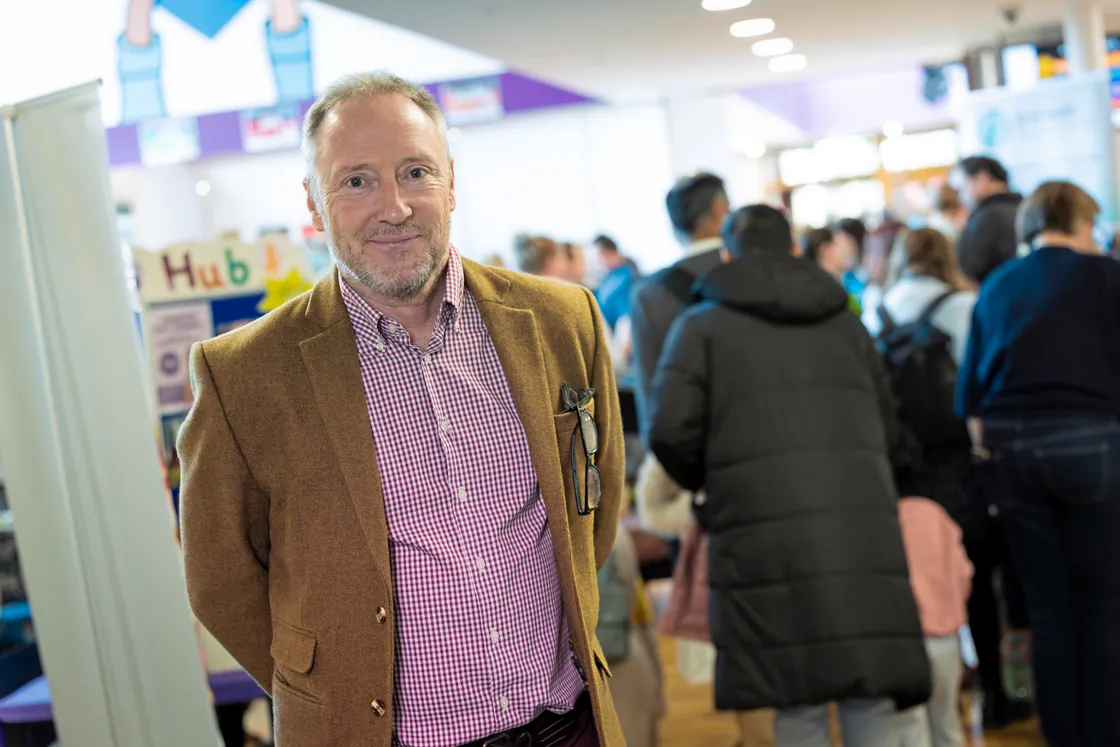
Children are experiencing ‘a real problem’ with speech and language, and States needs to continue focus on early years’ development, said the president of Education, Sport & Culture.
A common concern among local parents and primary school teachers is the communication and social issues in young people. Some children of primary age are experiencing struggles with their speech, and some display a lack of interest in interacting or playing with other children. It is thought that technological advances and increased screen time has to some extent impeded certain areas of brain development in early childhood. It is something that Deputy Paul Montague has been increasingly aware of since Covid.
‘There is a real problem with speech and language,’ he said.
‘There’s communication issues in young people. For years since Covid, whenever I was complaining on behalf of my union members about issues in primary, they would say “don’t worry, it’s just Covid” and I knew at the time that it wasn’t. And what were seeing now is that it isn’t – so they really need to work on that. That is a really big, important focus.’
The States’ Early Years Team was established to work with parents and carers across the government, private and third sector, to ensure quality early childhood education and care for local children.
‘Having spent 30 years in education – for ages 11 to 18 – it’s early years that’s an eye-opener,’ said Deputy Montague.
‘I think it’s so good what our team is running events like the Joyous Childhood and working with the different local agencies, because we do need to focus on it.’
TECHNOLOGY AND YOUNG MINDS
With regards to managing the effects of technology, Ruth Sharp, head of Early Years, said that fell into parental choice, but her department would continue to focus on teaching the key skills needed for proper brain development and long-term wellbeing – which AI cannot teach.
‘It’s important to understand the digital world that we’re in, because it’s part of childrens’ life,’ she said.
‘But AI is not going to replace a lot of the work we do. It can’t replace a physical human being and real-life communication – with eye contact, face reading etc. To have human contact, to feel loved, to feel safe, to feel cared for, with the development of the speech and language, with the tone, all of these things are just absolutely essential.
‘AI will have its place, but it’s about navigating it as a parent.
‘We work really closely with the police on how we keep children safe. The World Health Organisation’s advice is that children under two shouldn’t have handheld devices at all, or access to them – they don’t need it.
‘We’ve always had television in our generation, but now children are watching devices and it’s giving them that short attention span.’