

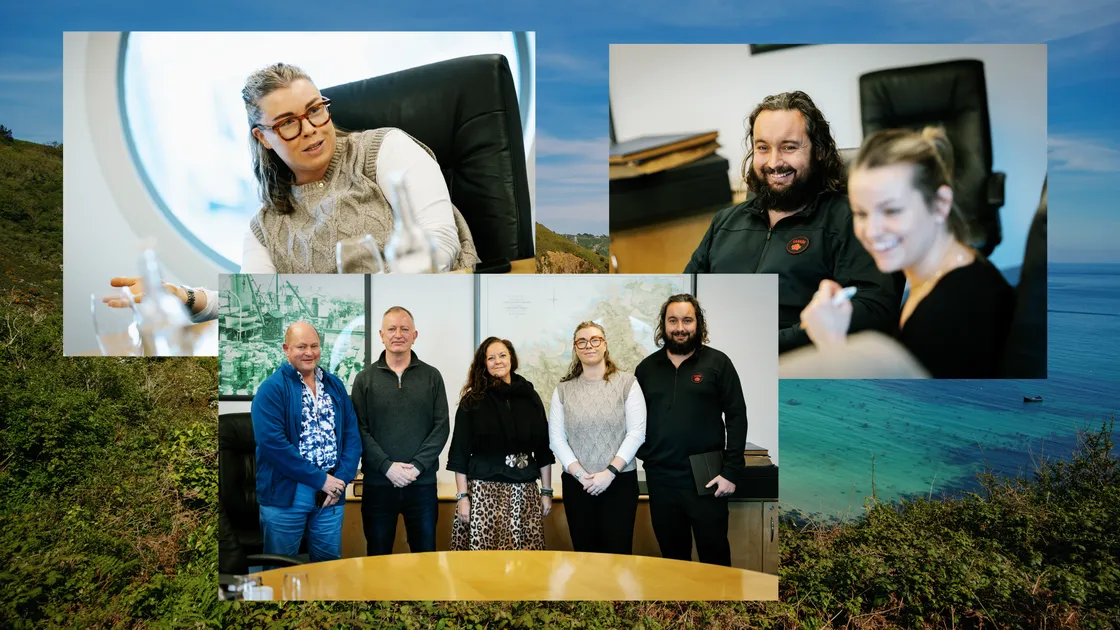
Shifting the focus from sunny beach holidays, to year-round coastal wellness escapes, is one of the ways that Visit Guernsey hopes to attract new visitors this year.
The Bailiwick’s official tourism marketing agency has set out its plans for 2026, aiming to build on last year’s momentum.
It will look to maintain stability, continue to improve sea and air connectivity, boost the off-season months and target different crowds. And take the best out of a 2025 that turned out to be something of a pleasant surprise.
‘2025 was extraordinary in lots of ways,’ said Zoe Gosling, lead marketing officer at the States marketing agency.
‘The most transformative thing for us was the partnership with Brittany Ferries. It had a hugely positive impact, particularly on day-trippers and increasing our French visitors, and that’s down to a very collaborative approach we have with them. Air travel was obviously less disruptive than the previous year, so it was all about regaining confidence and improving the image of Guernsey and the reliability of its transport.’
Going forward, this year’s marketing plan has defined the key focus points it thinks will make the island stand out as an attractive destination to a new, younger audience.
‘Bringing down the age of our visitors, attracting a slightly more affluent visitor and increasing the shoulder months,’ said Ms Gosling.
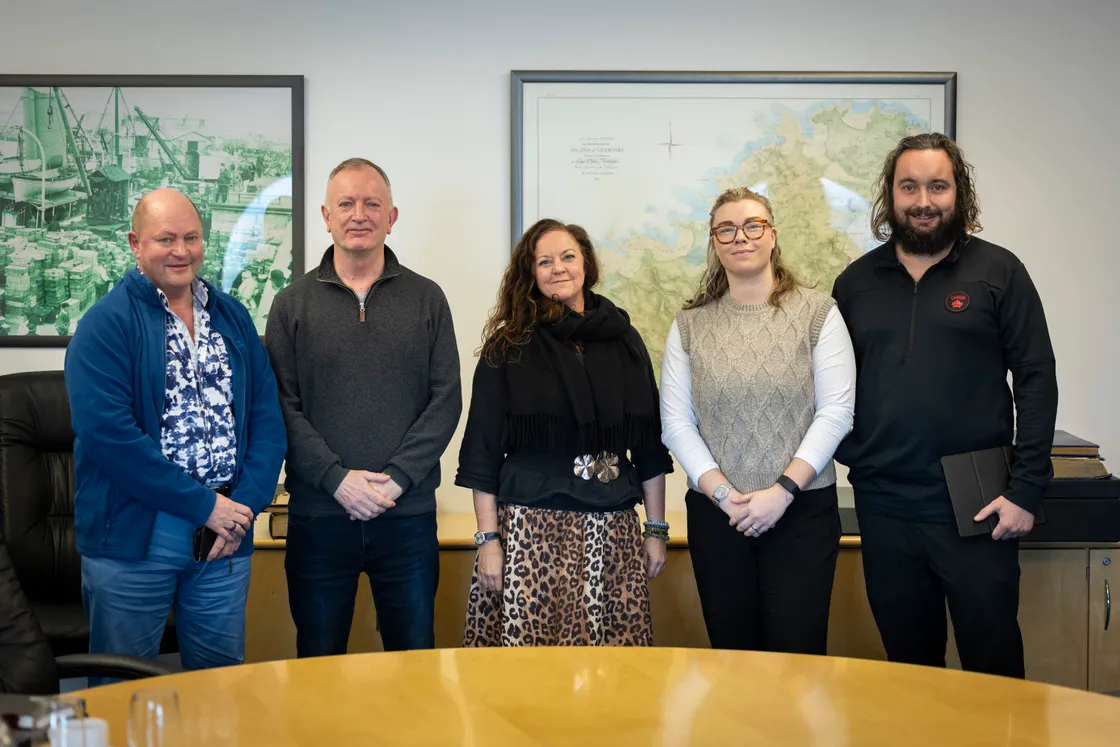
‘We need to position ourselves as a slightly higher-end product. But to do that we need the product to match. Pre-Covid, quite often we would put out a nice picture of a beach and hope that people would like it.
‘Now, the landscape is totally different in how we target different groups and where.’
It is adapting its advertising to different outlets, such as social media, to pinpoint various smaller audiences through their preferred source of information.
‘The coverage you get when you bring over 22 influencers that have a huge reach is great for us,’ she said.
‘It puts Guernsey in front of an audience that maybe haven’t considered us before. Brittany Ferries introduced us to their existing audience, the same when Premier Inn came in, and that’s what we hope British Airways will do, too.’
States tourism lead Lee Van Katwyk said that this was the first time in years that Guernsey had shifted its marketing tactics for tourism.
‘We haven’t changed our marketing angle since back in the day, when tourism was a bigger part of our economy,’ he said.
‘Going from that beach angle to offering the cultural and heritage, cliff paths side – all-year round, just attracts a different type of audience. It’s showing that there’s so much more to do in Guernsey in the shoulder months.
‘That offering has always been there, but now the audience has changed globally – there’s much more of a younger audience who are looking for quiet winter places, where they can sit in a pub, meet the locals and go for cliff walks – even if it’s a bit rainy. We’re just trying to capitalise on that. It’s very positive and very exciting.’
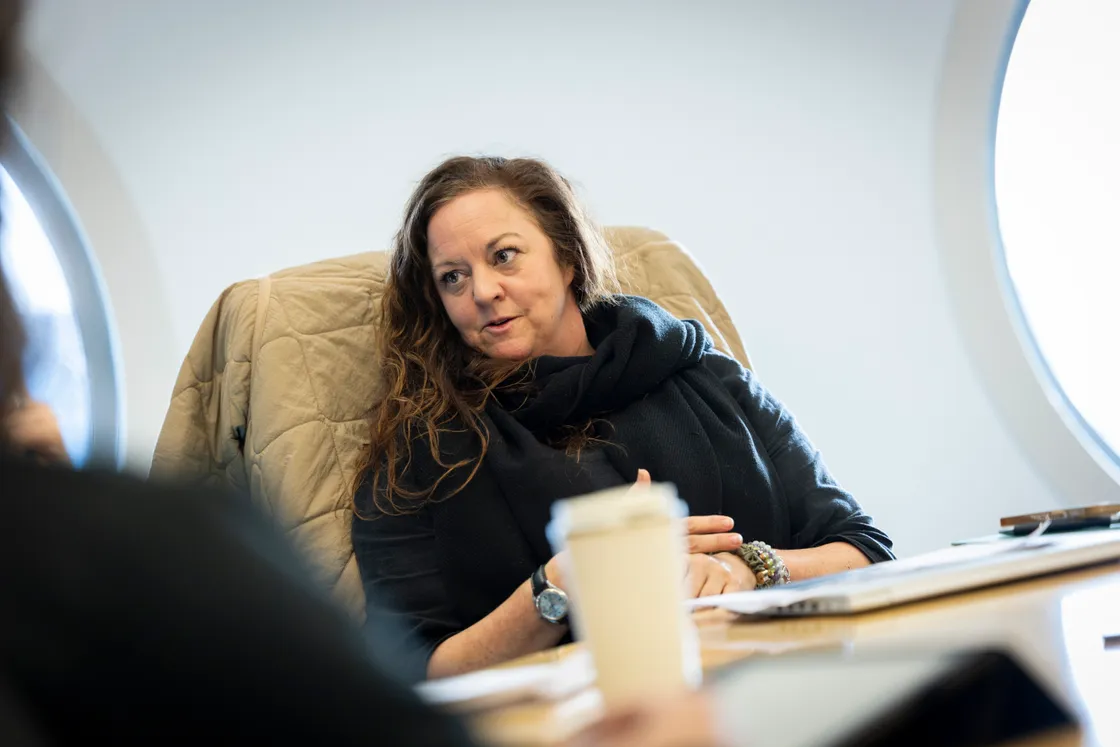
Focusing on ‘wellness’ is also thought to be the way in.
‘The idea of wellness has changed so much from pre-Covid,’ said Ms Gosling.
‘We found it really difficult to hook into it before because it was about going on a spa retreat. But now, it’s much more about what Guernsey naturally offers. It’s cliff paths, sea swimming – all the things we already do so well every day.
‘It’s repackaging ourselves and selling the island authentically. We do these things better than anyone else.
‘We have increasing numbers of solo female travellers – which reflects the fact that we are a safe, welcoming destination. And we know that that’s become increasingly attractive to people seeking short breaks, that maybe complement their bigger holiday.
‘We’ve got a lot of great things to market to the UK already – we’re close, so there’s not a lot of travel time, but when you get here, you’re immediately on the south coast cliffs and you feel like you’re a long way from home.’
Not to forget Guernsey’s unique selling point – the islands package, with Herm, Sark and Alderney a fun boat ride away. Visit Guernsey works across the Bailiwick to protect ‘our greatest assets’, said Ms Gosling, to ensure that they too, are thriving.
‘To have this tiny island-hopping experience less than an hour away from London is really magical.’
But Alan Sillett, president of the Guernsey Hospitality Association, who was also at the table, pointed out that the inter-island connectivity needs improving.
‘Getting to Alderney and back is a challenge,’ he said.
‘You go to the Greek Islands or the Caribbean and it’s very easy, very convenient, with three or four boats going round all the islands.’
Deputy Van Katwyk hinted that talks over a new ferry link between Guernsey and Alderney between the Economic Development Committee and Brittany Ferries had begun, which would offer more boats and crossings.
‘It’s in the very early stages,’ he said.
‘But hopefully, in the near future, people will be able to get between the islands a lot easier.’
Charlie Walker, co-chair of the States-funded industry group the Tourism Management Board, added that this would need to include investing in digital timetables and tickets as well.
‘To not be able to book the Trident unless you go to the kiosk is a problem,’ she said.
‘You need to be able to do everything you can from your phone or we’re getting left behind.’
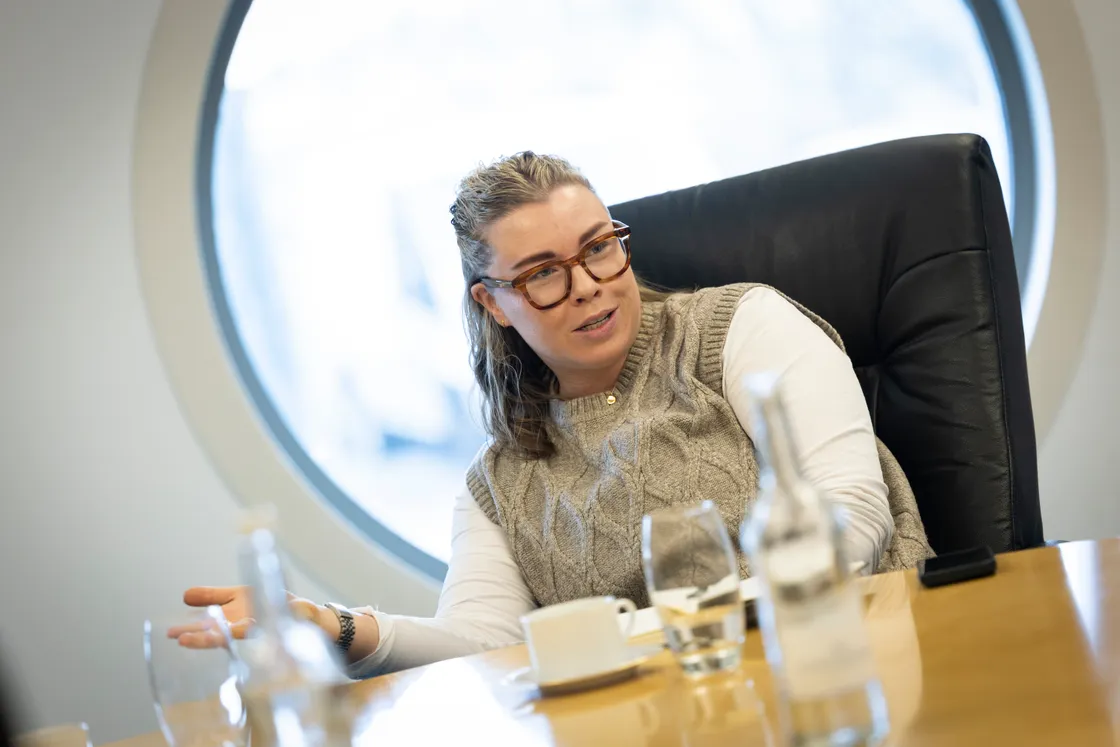
Work will continue to recover Guernsey’s reputation in the travel industry, after a late release of flight and ferry schedules last year which took a toll on its reliability and advance bookings.
The irregularity and inability to see what was available had a noticeably negative impact on occupancy bookings at the start of 2025, said Will Haegeland, the general manager of the Pandora Hotel in Hauteville.
Works to improve and rebuild from this disruption have been ongoing, and remain a top priority for the Tourism Management Board, said Ms Walker.
‘365 schedules ensure that we’re aligned with other jurisdictions,’ she said.
‘We’re not quite there yet, but we’re constantly championing that to ensure people can book as far ahead as possible.’
Mr Sillett said the Guernsey Hospitality Association had seen a marked improvement, one year on. He said the factor that would see tourism flourish and sustained through to 2030 was ample connectivity to the island.
‘The first four or five months of last year lacked certainty, but now we’ve got certainty,’ he said.
‘This year should be a very good year. Visit Guernsey has a very good relationship with Brittany Ferries, which I think can only grow.
‘The valuable market which we need to capitalise on is the overnight stays. And the introduction of British Airways from April is going to be huge.
‘With BA, we can target not just London Heathrow, but where they’re coming in from – Asia, North America and Europe. Sea connectivity is swimming in the right direction, but air links could still be a lot better.
‘I think we still need to reduce our reliance on Aurigny and bring major operators into the island. We need to think about what brings inbound routes to the islands, and not just concentrate on what it does for one airline.’
He said that now was an important time to increase spending on tourism to capitalise on the improved connectivity. Introducing a visitor levy would help with this, he said, but its timing is sensitive and dependent of whether or not a GST is introduced.
Deputy Van Katwyk confirmed that a key focus this year was to build on last year’s momentum with the travel operators.
‘We want to continue to get the day-trippers in and then start looking at where we can convert those into longer stays,’ he said.
‘That will take collaboration with the hotel sector.
‘We also want to build our relationship with BA. They’ve got a 46m. marketing book, so that’s a really exciting opportunity. Considering everything that VG have done with Brittany Ferries – to see what’s going to develop from BA is very exciting.’
He said he was ‘watching with anticipation’ to see what happens over GST, where he agreed with Mr Sillett.
‘I think it would be better to have a corporation tax and visitor levy, and invest in our island’s diversified economy, alongside finance.’
As well as shining new light on Guernsey’s natural beauty, Visit Guernsey aims to hone in on the island’s unique history, sport and food scene, and work with industry to create niche events and attractions.
Mr Haegeland said that diversifying the existing natural landscape alone was ‘not enough’, and that work still needs to be done to develop new product.
‘Which country doesn’t have nature?’ he said.
‘That is not enough. It’s what you do within that environment that is the attraction. This is a major industry for us, and at the moment, we’re not attracting local people into hospitality or tourism – but we should, because that’s where innovation lies.
‘I do think Visit Guernsey looking at vloggers, bloggers and the whole new world of how you do marketing is very positive. It’s changing, and we’re grasping that. Markets always look for new destinations to go to, so if you have the right product – they will come.’
Attention has turned to the island’s food offerings as an ‘easy’ way to reach a specific market.
‘Guernsey punches above its weight when it comes to the quality of food, restaurants and the food provenance – although that’s not without its challenges,’ said Ms Gosling.
It has launched a new food festival, The Big Eat, which will take place in April and October.
‘It gives us something to talk about in the shoulder months to increase our capacity, to encourage trade to get involved and to encourage short breaks in those times,’ she said.
VG hopes that the local hospitality industry will collaborate and communicate on this, to schedule their events strategically and consecutively, to keep visitors interested and on-island longer.
‘Food is an easy one,’ said Ms Gosling.
‘We know that lots of people are doing great things within their own businesses, but they’re doing them in silos. We want to encourage them to do those things around the same time, so that we have a much better product to sell.
‘If people come for one event, and see things happening either side, maybe they’ll be tempted to extend their trip. We need to work with industry to develop that product. We can’t do it on our own, and, honestly, that’s not really our job. Our role is to raise awareness of the island.
‘We’re straying into interesting territory, but I guess we need to. We need engagement from the hotels, restaurants, partnerships, event organisers – everyone. Collaboration is the most important thing. None of this is going to work if the whole industry doesn’t work together.’
The TMB was established by the Economic Development Committee in 2023, in a bid to develop sector.
Mr Sillett, whose organisation was dead set against the TMB, said that its relationship with industry had a ‘tricky’ start, but with better communication and new teams, he was optimistic that it would improve.
‘For us, it hasn’t worked,’ he said.
‘We had a decision put upon us, without any consultation with industry, to form the TMB. We said at the time it wasn’t fit for purpose and I think that’s been proved right.
‘The model didn’t work – not the people involved. It hasn’t got the resources, the full-time person to operate it. I think it’s more advisory than management. But now is the time for a reset. We’ve got a new ED committee which seems very progressive.
‘It’s good that we’re now working closely together. I think that Visit Guernsey has done some good work lately, and continues to do so.
‘Looking at the different demographics is a good slant.
‘We couldn’t develop without them, and they couldn’t do it without us. We need a more united industry behind what’s happening in the next few years, because it’s been slightly fragmented.
‘Last term it was a bit tricky, but I think it’s moving in the right direction now. We’ll get there, if we carry on talking and carry on doing the work that VG are doing.’
Ms Walker, who is also managing director of the Little Big Hotel Group, agreed.
‘This is now the opportunity to re-write what it looks like,’ she said.
‘Coming out of a good 2025, we’re better placed than ever to move forward and be stronger as one united voice.’
Increased efforts have been made to promote local sporting events. Supporters of Guernsey FC and Raiders are encouraged to travel with their teams, with ‘come for the game, stay for the weekend’ packages. The local marathon is marketed as one of the most scenic in the British Isles. And ways to continue to tap into the French market are being explored, through golfing and various tournaments.
‘We’re British enough for the French, and French enough for the British,’ said Ms Gosling.
‘That does make us quite unique.’
The Guernsey Rally next month has been recognised as a special-interest product worth promoting.
A chunk of the TMB’s events funding has gone into broadening the event this year.
‘It’s a huge inward-bound tourism opportunity based in February – in what is otherwise a short, very quiet, quite depressing month,’ said Ms Walker.
‘A lot of it is hosted at the Peninsula Hotel.
‘We’re one of the sponsors and what we see is that the drivers might arrive two days before and then stay for two days afterwards. So what is maybe a two-three day event spreads. It’s using that as a play. For anyone who’s a car fanatic, it’s the most incredible event, and an amazing opportunity for VG to pick up a market.’
A never-ending summer could be on the cards, with September now ‘firmly’ marketed within the main tourism season.
Ms Gosling highlighted how the walking festivals brought what was classed as off-season month well into the main season, as a sign that it might be possible to develop year-round tourism on the island.
‘How long will it be before October becomes part of the main season?’ she said.
‘We then move from growing into our shoulder months, to making Guernsey a year-round destination, that’s the next logical step.’
But Mr Sillett warned that this should not neglect focus on the main season.
‘June last year we had 71% occupancy, which is not amazing,’ he said.
‘We need to make sure we fill our summer, and not just totally concentrate on shoulder months.
‘You have to make hay while the sun shines.
‘These guys who own and operate hotels, their costs have gone up massively. If you don’t fill the hay barn, your winter is going to be tough.
‘We can look to extend the season, that’s a great aspiration and one we’ve been talking about for 40 years. But don’t neglect your number one visitor.
‘Your core market has been there for a long time.
‘It’s a balancing act of looking for new markets, but not losing what we’ve got.’