
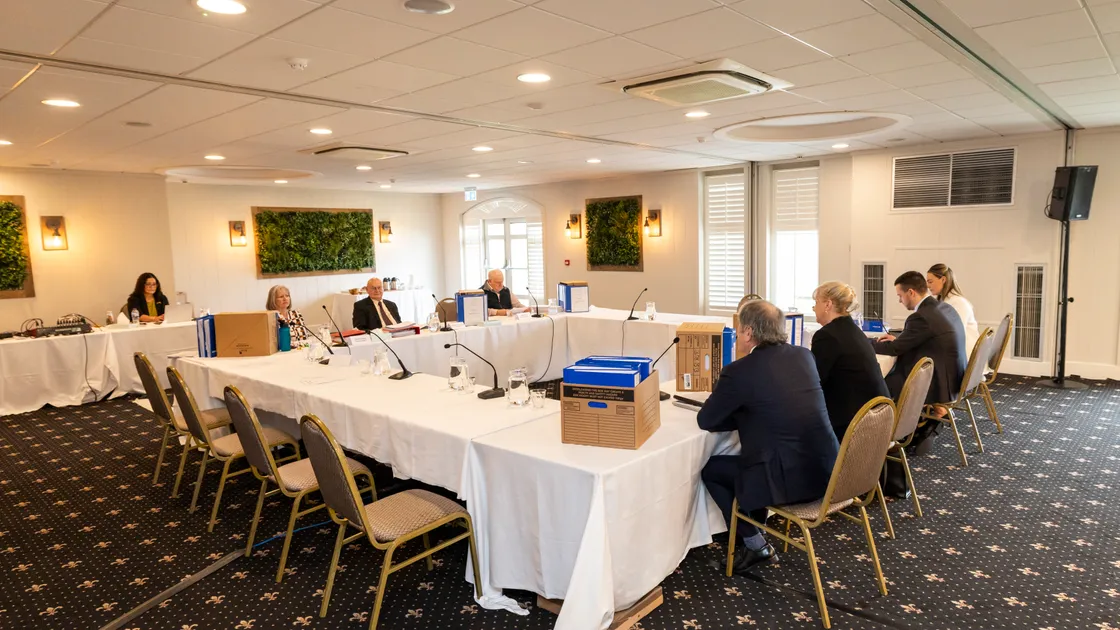
Lt-Bailiff Hazel Marshall rejected the legal bid from the so-called ‘Group of 50’, which was heard in the Royal Court in March.
She has just published her judgment, in which she refused permission for a judicial review to be pursued and indicated the intention to order that costs should be paid by the claimants.
Last spring an industrial tribunal rejected claims from the Guernsey Police Association and a group of civil servants that the States broke promises to them when it changed the rules of its pension scheme without consultation.
Lawyers for the applicants argued then that the reforms, which changed the public sector pension scheme from final salary to a career-averaged revalued earnings scheme in 2016, and were later amended in 2019, constituted unlawful changes to their employment contracts without their consent.
The stakes in the claim were significant – if the applicants were to have won their appeal it could have substantially increased States pension and payroll costs at the expense of the taxpayer.
The tribunal found that, while the changes did alter their terms and conditions of employment, they were implemented following a reasonable and lengthy consultation process and were lawfully executed.
Those changes were legislative and not contractual, the tribunal ruled.
Both sets of applicants claimed that they had not consented to the pension changes and were not properly represented during the consultation process, but the tribunal said that the States had conducted a thorough consultation over several years, including negotiations, mediation, and ballots.
While the Police Association and some other unions voted against the reforms, the majority of unions – including those representing 76% of civil servants – approved the changes in late 2015.
Their appeal in the Royal Court in March was based on four points – that the tribunal wrongly concluded that former employees do not have legal standing; that it erred in law in its approach to identifying subordinate legislation; and in the conclusion that the 1972 pension rules are subordinate legislation; and that the States was entitled to unilaterally amend employment contracts by amending those rules.
The initial tribunal hearing took place in March last year after the applicants’ complaints were originally referred to a tribunal – against the States’ wishes – by its own industrial disputes officer in 2022.




You need to be logged in to comment.