
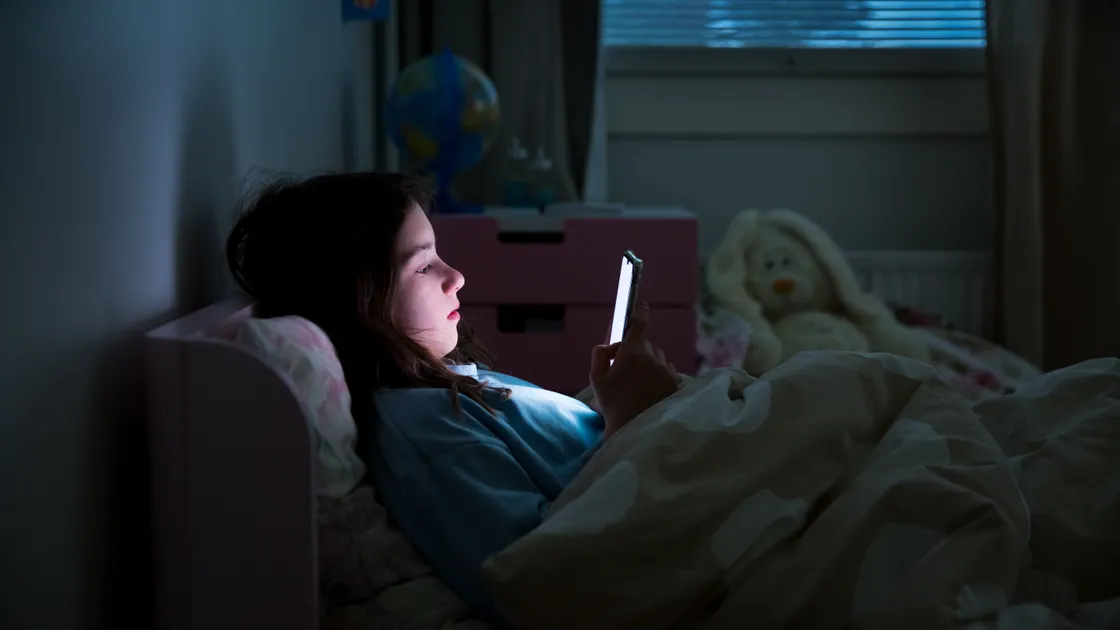
MY FRIENDS and I, now aged 28, grew up in what we often call the ‘wild west’ era of teenager internet use.
By Year 7, almost everyone had a smartphone or an iPod Touch, which meant we suddenly had access to the entire internet and could download whatever apps we wanted.
I had been taught the basics – don’t watch pornography, don’t share personal information – but when you’re 13 the desire to fit in and be social outweighs everything else.
So I did what everyone else did and downloaded endless ‘teen chat room’ apps. This was before parental controls were common, and my parents had no idea what I was actually doing.
They thought I was listening to music and downloading games. They were wonderful, supportive parents, and I know I could have told them anything, but keeping secrets at that age feels natural.
At first, these sites felt fun and exciting. I’d seen teenagers in films using chat rooms, and I did meet plenty of harmless people who came and went. But what fills me with fear now, as an adult, is remembering the men who pursued me relentlessly with sexual questions. I would get messages like ‘asl?’ (age, sex, location). I would reply ‘13 f UK’. They would respond ‘45 m USA’. I would leave the chat, but then the follow‑ups would start: ‘r u there’, ‘come back baby’, ‘am I too old’, ‘you can’t be that innocent’, ‘send me a picture’, ‘what’s your bra size’, ‘I bet you’re cute’.
This happened daily. I was suddenly exposed to a world where adults, predators most likely, could contact me freely. Some pretended to be 21‑year‑olds (in hindsight, obviously fake). Others were openly much older and would instantly send explicit photos. I received many images I never consented to, and I was begged to send something back. They knew I was 13.
It wasn’t just me. Years later, my friends and I realised we had all been targeted from every angle by predators online. I’m incredibly grateful I never sent anything back, but it would have been so easy. It’s easy as an adult, to say ‘that was stupid’, but when you’re young, all you want is to belong, to be included, to feel noticed.
My partner and I have talked a lot about our different experiences of the early internet. His were just as dangerous but in a different way. Teenage boys suddenly had access to horrific, graphic videos. With brains that weren’t fully developed, they coped the only way they knew how by making light of it and sharing it with friends. He told me he opened countless unsolicited videos only to be confronted with scenes of extreme violence and images of people who had been graphically killed. Images he says which will never leave him and things most adults can’t even imagine. Scarily this wasn’t rare, this was normal for 13‑year‑old boys at the time.
He said everyone knew about websites where you could watch live streams of extreme violence. These weren’t hidden on the dark web either, they were right there at children’s fingertips.
Years later, I finally told my parents what I had been exposed to. They were sick to their stomachs that they hadn’t protected me more, but how could they have protected me from something they didn’t know was happening?