
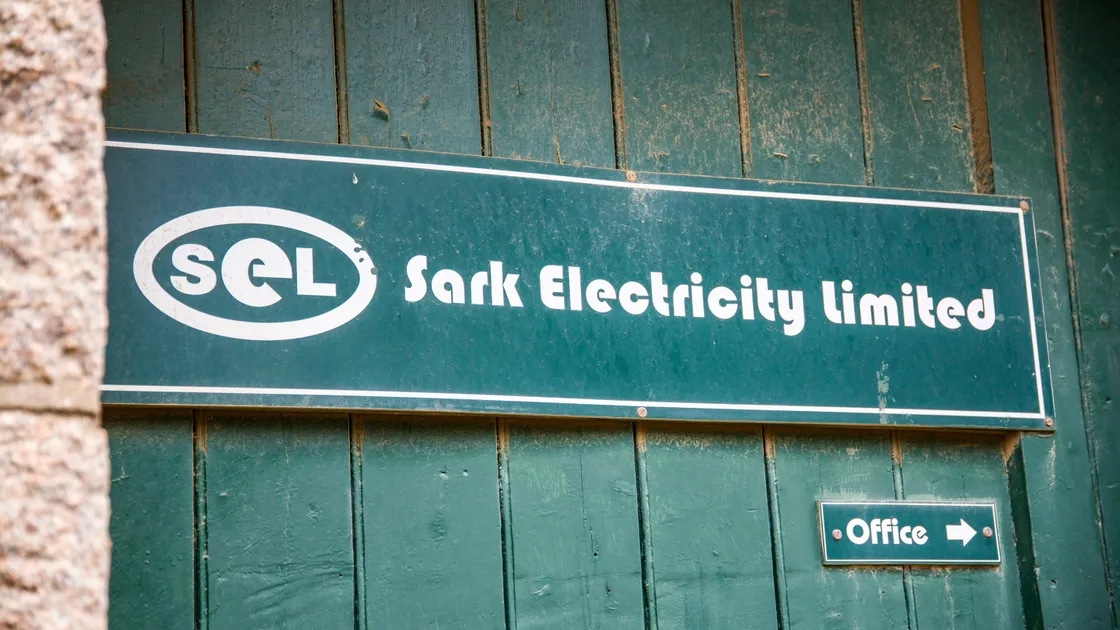
The Royal Court gave summary judgment against Sark Electricity Ltd over a bill of £182,558.50, plus interest that had reached around £27,000 by the spring, and is now expected to be about £35,000, together with the firm’s legal costs.
The fees were run up as the company fought a series of long-running battles over its future and its regulation, including its dispute with the Sark Pricing Control Commissioner over the tariff rates it is allowed to charge. The company has also faced the prospect of compulsory purchase by Chief Pleas, the island’s government, a process that is still slowly edging forward.
The court heard that Collas Crill had billed the company more than £1m., of which about £725,000 had been paid, leaving the disputed balance outstanding. Sark Electricity, represented in court by its director Alan Witney-Price, denied liability for the sum in question, and alleged the firm had been negligent and that its fees were unreasonable.
However, the Bailiff Sir Richard McMahon found that the company had clearly acknowledged the debt in emails in September 2025 and had agreed to pay it off at £5,000 a month until it was cleared, with the full balance becoming due if it defaulted. It was accepted that the monthly payments had not continued.
Sir Richard ruled that the company had ‘no real prospect’ of successfully defending the debt, but he stayed the effect of the judgment until a separate counterclaim brought by Sark Electricity has been resolved – meaning any damages the company wins could reduce or wipe out what it owed.
Mr Witney-Price had argued that having the judgment sit on the company’s balance sheet could threaten its ability to meet the solvency test under company law, a concern the Bailiff said the stay addressed.
In its counterclaim, the company alleges that Collas Crill should have taken account of an earlier 2018 settlement agreement with the regulator, and that its failure to do so had led to avoidable costs.
It also claims losses of £500,000 arising from an agreed third-party sale of the company at £2.4m. and the anticipated compulsory purchase price to be received. The allegations are unproven and have not been tested at trial.
The Bailiff declined to strike out the company’s defence and counterclaim, finding that defects claimed in it could be cured by amendment and that the counterclaim could proceed as a separate action.
He noted that Sark Electricity ‘might wish to seek some assistance from an advocate’, saying it was not the court’s function to redraft court documents for a party to proceedings.
Costs of the fee claim were awarded to Collas Crill on an indemnity basis.