

A wide-ranging 3% goods and services tax and new transport taxes are set to be introduced in 2029, along with reductions in income tax and social security contributions.
And the changes will not stop there, as the Assembly also backed – by a single vote – increasing GST to 4% two years later and 5% two years after that, alongside further compensating reductions in income tax and social security contributions.
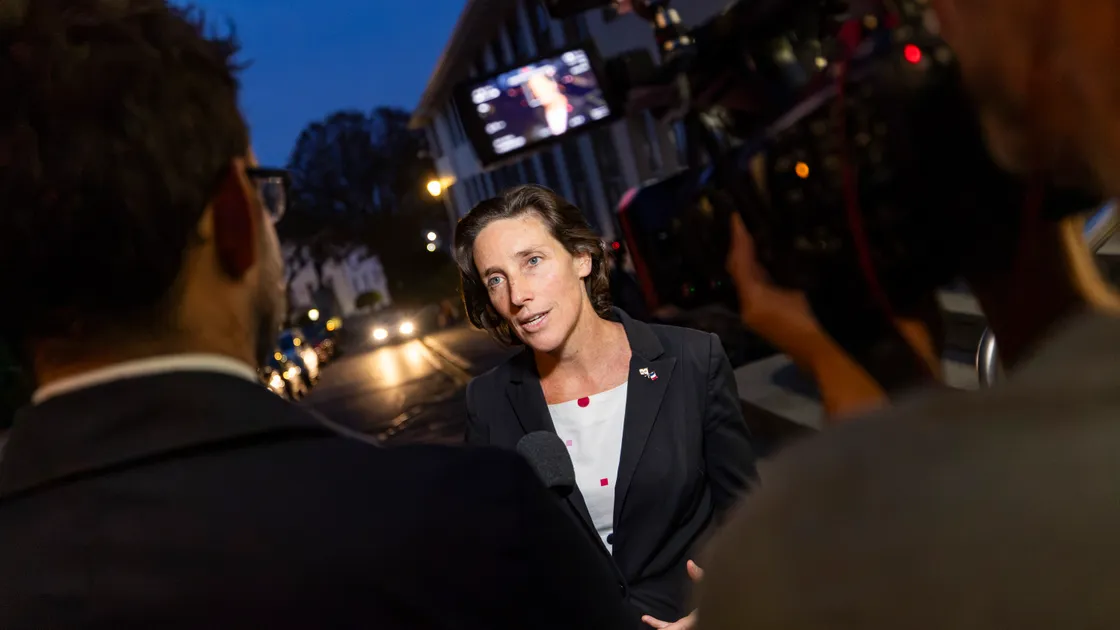
‘We have done what we promised to do and decided on tax reform, and now it’s onto delivering those changes,’ said P&R president Lindsay de Sausmarez.
‘Importantly, it does give us a really strong foundation for all the other things we want to achieve. Without stable and more sustainable prospects for our public finances it’s very difficult to do the other work of government that we need to do.’
Watch: Matt Fallaize spoke to Deputy Lindsay de Sausmarez outside the Royal Court
P&R has shown that its package will leave lower- and most middle-income households better off or no worse off overall, and immediately after winning the vote the senior committee pledged to introduce the income tax and contributions cuts ahead of GST.
‘The idea is that people have a bit of additional money in their pockets before any consumption tax comes in,’ said Deputy de Sausmarez.
‘I’d be pretty sure that we’re looking at 1 January [2029] for the tax cuts, which are good news and mean people having more money, and then the consumption tax would come in at some point after that.’
The previous Assembly had approved a 5% GST two years ago. Deputy de Sausmarez said the main reason her committee had proposed reducing it to 3% initially was to reduce the inflationary impact.
She insisted that it was not ‘guaranteed’ to rise to 4% and then 5%, despite Friday’s vote to adopt that as a policy, and said she had been ‘quite undecided about whether to support that’ until late in the debate.
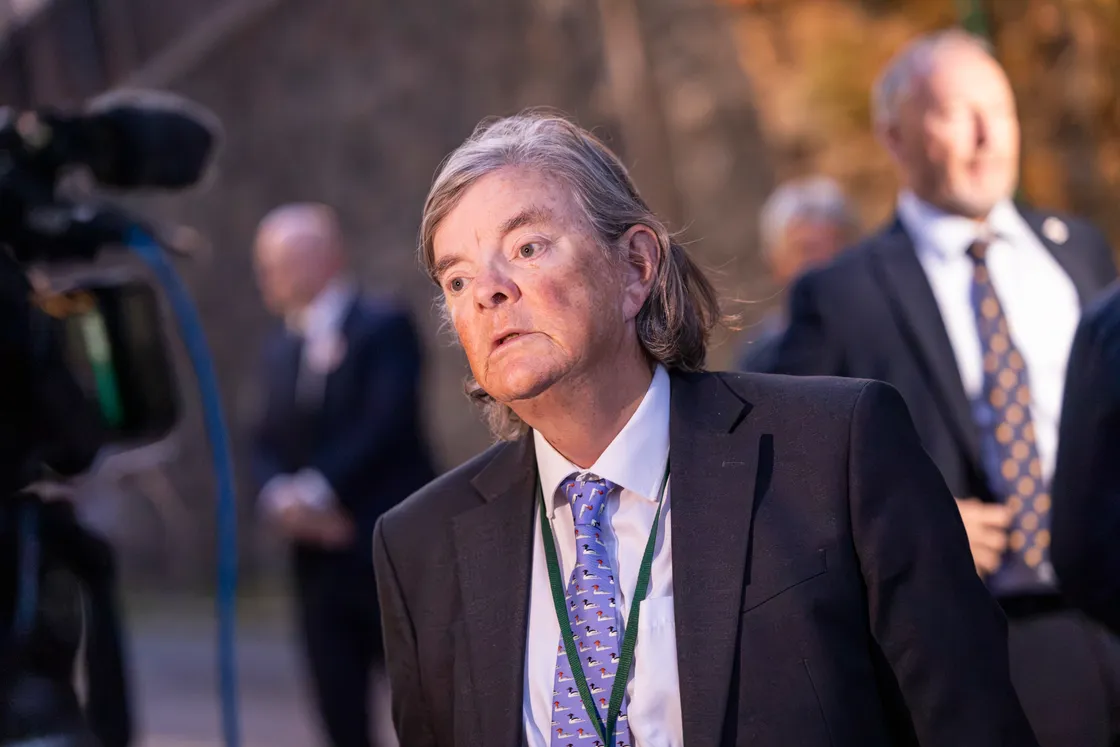
P&R’s treasury lead, Charles Parkinson, voted against setting GST on a path to 5% and said he ‘regretted’ the States’ decision, but would be ‘bound by that resolution as a democrat’.
Deputy Parkinson and his president both said they were as confident as they could be that the whole tax package would be irreversible before the next general election in June 2029.
‘My immediate reaction is, frankly, relief that we have finally made a decision,’ said Deputy Parkinson.
‘I think the months of uncertainty have been very stressful for States members and the public alike. Business needs certainty about what the future is going to look like.
‘I would like to think there is more trust in this P&R. I’m not sure – that’s probably self-opinionated. But we have genuinely made every effort to turn over every stone to see what could be done which wasn’t GST and we came up with this package.’
The States also agreed a range of ancillary proposals, including zero-rating GST on self-build housing projects and second-hand goods, and a policy that the rate of GST will not increase unless committees have made savings totalling £20m. a year.
How they voted on the main proposals...
For (22): Burford, De Sausmarez, Dorrity, Falla, Gabriel, Gollop, Hansmann Rouxel, Helyar, Humphreys, Kazantseva-Miller, Laine, Le Brun, Malik, Montague, Niles, Oswald, Parkinson, Rochester, Rylatt, St Pier, Strachan, Williams.
Against (17): Blin, Bury, Cameron, Camp, Collins, Curgenven, Goy, Hill, Kay-Mouat, Leadbeater, Matthews, McKenna, Ozanne, Sloan, Snowdon, Van Katwyk, Vermeulen.
Abstained (1): Inder.




You need to be logged in to comment.