

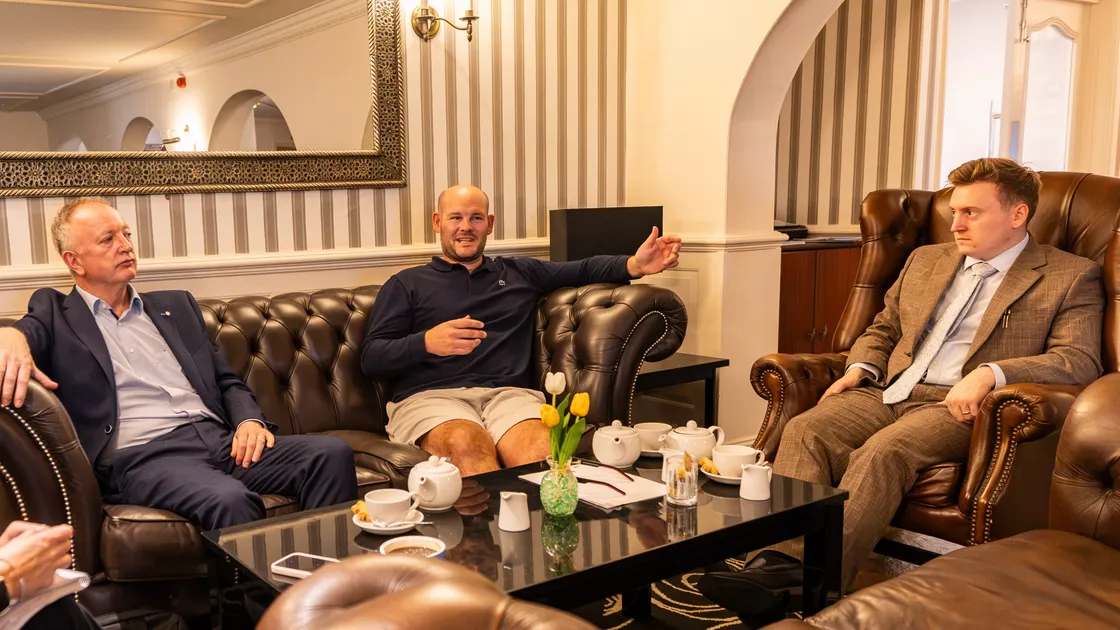
Hoteliers report better occupancy, strong food and drink sales and a particularly good July, August and September after a slow start to the season. But rising wages, energy bills and food costs continue to squeeze margins.
‘The turnover this year has been better than prior years, but not profits,’ said Le Friquet Hotel managing director Jimmy Wright.
‘The turnover has been really good. Profit and the margins have definitely tightened. I just think everything’s gone up.’
Jamie Nussbaumer, owner of Cobo Bay Hotel, said occupancy during July and August was approximately 3% to 5% higher than the previous year, with the hotel achieving around 90% occupancy throughout much of the summer.
‘We’d love to be at 100% occupancy, but that’s virtually impossible with moving rooms around,’ he said.
‘We got off to a slow start. May was behind last year, but as the season went on it only got stronger and stronger.
‘Despite the fantastic weather in June, financially it was kind of on par with the year before, but then it really burst into life through July, August and even into September. We’ve seen a massive increase in food and beverage spend, which has been good.’
Mr Wright reported a similar pattern at Le Friquet, where September had remained particularly strong.
However, both operators said the cost of running a hotel had increased significantly in recent years, and there was a limit to how much could be passed on to customers.
‘The base costs, stuff that you can’t do anything about really, have gone up significantly,’ said Mr Wright.
‘You can only get to a certain ceiling and you’ll then be uncompetitive. That’s where the squeeze has been felt. There’s a cap to how much you can push.’
Changing holiday habits were also adding to operational costs, with visitors increasingly opting for shorter stays and booking closer to their arrival dates.
Mr Nussbaumer said the traditional fortnight-long holiday had largely disappeared, and most guests now tended to stay between three and five nights, which drives up costs.
‘It’s more laundry – everything ramps up,’ he said.
‘Utilities has definitely been a big thing.’
Mr Wright added that frequent turnover also meant more pressure on housekeeping teams, leading to additional staffing costs.
Despite the challenges, their confidence in the island’s tourism industry remains positive.
Mr Nussbaumer is preparing for the next phase of Cobo Bay Hotel’s ongoing redevelopment, following improvements to staff accommodation and other behind-the-scenes facilities.
The latest work will focus on more visible changes to the hotel, with longer-term plans to increase its number of rooms from 34 to 39.
‘It’s scary and exciting in the same measures,’ he said.
‘This year, I think, is the first year that people start seeing a real change to the front of the hotel.’
Guernsey Hospitality Association president Alan Sillett said the industry was moving towards a more encouraging environment for investment following several difficult years.
‘I think we’re getting close to the pre-Covid stage where it’s a more positive environment for investment,’ he said.
Mr Sillett joined the Tourism Advisory Board earlier this year, and is optimistic about the current work being done to support the industry.
‘There wasn’t a lot for an investor to come in and spend a lot of money. It was questionable, but I think this year is creating that environment.’
However, Mr Nussbaumer said the next challenge was to attract visitors beyond the traditional summer season.
‘We’ve got to find something as an island, and especially in the tourism industry, for those October through March months, so we’re not so reliant on the weather. We make hay in the summer and then lose it in the winter a lot of the time.’