

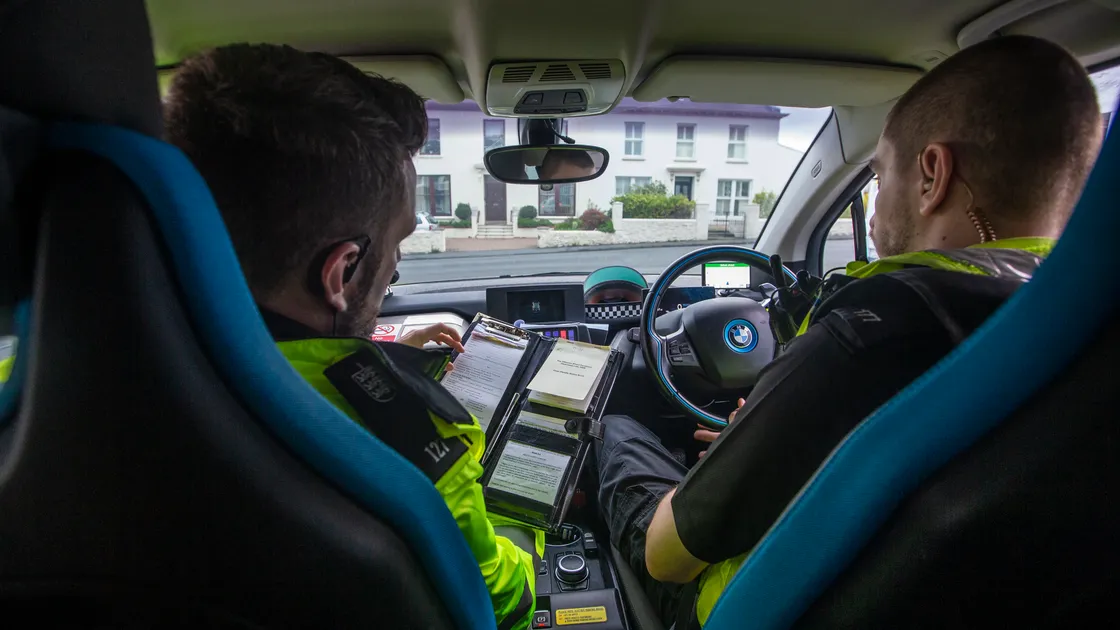
Criminal investigations are expected to take longer, some may not happen at all, and the force will also need to pull back on its educational work with children.
The Home Affairs Committee warned yesterday that the cuts were unavoidable as the Assembly rejected its series of bids for budget uplifts next year totalling millions of pounds.
Committee member Munazza Malik said there would be ‘clear consequences’ from the failure of one of the amendments which requested between £800,000 and £2m. to fund demand-led emergency services which were said to be significantly underfunded already.
‘There will be fewer officers available for road policing, neighbourhood policing and work in schools, a higher threshold for investigating minor crime, and some incidents will no longer be attended at all,’ she said.
Deputy Malik also expected that spreading police resources too thinly would lead to ‘longer investigations’ and increase the ‘risk of sustained pressure driving officers out of the service’.
Policy & Resources’ draft 2027 budget, which is currently being debated at a four-day States meeting, includes two options for committees’ cash limits. Option A would reduce Home Affairs’ cash limit by £700,000 and Option B would increase it by £950,000. Both options would result in a cut compared to 2026, after adjusting for inflation, and Home Affairs president Marc Leadbeater told the States that the police chief and the fire chief had told his committee they would be left with inadequate cash to guarantee minimum service levels.
‘Our job is to support our service chiefs and ensure they have the resources to be able to discharge their functions properly and safely for the benefit of the people of Guernsey, and they are telling us they cannot do that with the budget that has been proposed,’ said Deputy Leadbeater.
He claimed that ‘proactive work will inevitably have to decrease’ among the road policing and neighbourhood policing teams, and warned that cutting back on responses to cases of mental ill health, for which demand has spiralled in recent years, would cause ‘negative outcomes for vulnerable members of the community’.
Home Affairs vice-president John Gollop explained that its service chiefs had made a strong case for 11 more police officers, mostly to restore community policing, and five additional firefighters. Deputy Gollop said it would be ‘ludicrous’ for the States to ignore the advice of experienced professionals running the emergency services.
But his appeal failed as the Assembly rejected the amendment by 11 votes to 21. It then inflicted defeats of a similar margin on the committee’s other budget amendments which requested additional cash of between £790,000 and £988,000 for its population management and financial crime divisions, and between £699,000 and £998,000 to fund cost pressures in the prosecution of cases of sexual violence and domestic abuse.
Another member of Home Affairs, Simon Vermeulen, said emergency services chiefs had already stripped out about half of their original additional budget request and claimed it would have been ‘negligent’ of the committee not to back them over the essential increase they needed.
‘The fire chief has said that we wouldn’t pass an inspection like the UK fire services have, with the equipment we’ve got and how we’re using it,’ he said.
‘We put these officers in harm’s way. We’re the ones who send them into those burning buildings, and hopefully you [States members] support them by giving them the money they need.’
An external review of the Town Arsenal service published earlier this year found that it was ‘under significant strain’ after its budget had been increased by just £88,000 between 2011 and 2020, well below inflation, and by approximately inflation only since then.
Deputy Vermeulen said the fire service was operating vehicles ‘which have not been made for 10 or 20 years, and using hoses which are 40 years old’.
The States looks set to back P&R’s Option B expenditure limits for 2027, which would provide Home Affairs with a total cash limit of £46.7m., compared with an authorised budget this year of £45.8m.




You need to be logged in to comment.