

Tax allowances
The personal income tax allowance – the amount of income an individual is allowed free of tax – will be increased, in line with inflation, to £15,850.
Tax allowances relating to the charge of children, the infirm, housekeepers and dependent relatives will be increased in line with inflation.
The annual income threshold at which tax allowances start to be withdrawn will remain at £85,000.
The amount of bank interest an individual can receive free of tax will be increased from £50 to £75.
Tax relief
The maximum amount of tax relief available on mortgage interest paid on a principal private residence will remain at its present level, £3,500 per year per person, and the phased withdrawal of the relief will be stopped.
The maximum aggregate annual charitable donations which can be made free of tax will increase from £10,000 to £50,000, in effect increasing the tax benefit available to a charity from £2,500 to £12,500.
Tax relief on document duty paid by anyone downsizing from a larger property to a smaller one will continue in 2027 but will be scrapped from 2028.
Duties
Duty rates on alcohol will be increased in line with inflation in 2027 and 2028. This means the increase in 2027 will be 4.3%, putting about 11p on a bottle of wine and about 3p on a pint of beer.
A draught, or ‘tap’, relief will be introduced on alcohol duties, which will provide a discount of 15% for lower-strength products and 10% for higher-strength products but no discount for the highest-strength categories. The relief will be equivalent to a reduction of about 5p on a pint of beer below 4.9% ABV.
There will be an increase in the production limit under which duty relief is available to small, independent distillers from 20,000 to 30,000 litres of pure alcohol.
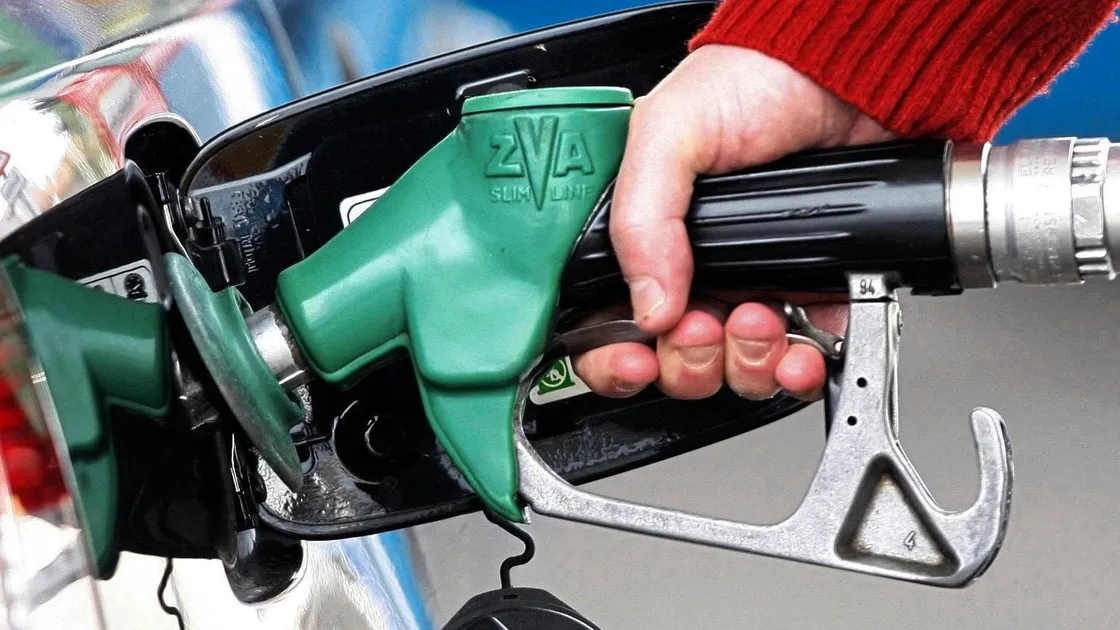
Duty on petrol, gas, oil and marine fuel will be frozen, which in effect will mean a real-terms decrease as it will not be increased in line with inflation.
Duty on tobacco will increase by inflation plus 5%, equivalent to 89p on average per packet of cigarettes.
Duty on vaping liquid will be set at £2.20 per 10ml of liquid. Duty-free relief will apply up to 50ml of vaping liquid.
Policy & Resources was directed to develop a package of discounted duties for small producers and recommend details of the scheme in next year’s budget.
TRP tariffs
Most domestic and commercial TRP tariffs will be increased by 4.3%, in line with inflation.
But there will be a 15% increase in the TRP tariff for commercial car parking land and a freeze in the TRP tariffs for hostelry and food outlets, retail and warehousing.
Tax caps
The annual tax cap on an individual who does not have Guernsey source income will be increased from £160,000 to £171,000.
For an individual with Guernsey and non-Guernsey source income, the tax cap on worldwide income will be increased from £320,000 to £342,000.
Once an individual has paid these amounts of tax, they do not need to pay more, regardless of their overall income, except that tax is payable on income arising from Guernsey land or buildings in addition to the tax cap. These caps will be increased in line with inflation in future years.
The annual open market tax cap will be increased from £60,000 to £65,000 in 2027, £75,000 in 2028, £85,000 in 2029 and £95,000 in 2030, and in line with inflation after that.
This cap is available during a new resident’s first four years in the island, provided they have paid at least £70,000 document duty purchasing their property.
Policy & Resources has been directed to carry out a cost-benefit analysis of this cap and report the findings in next year’s budget.
A new tax cap will also be developed with the specific aim of attracting entrepreneurs who might otherwise not have looked to move to the island and invest in businesses locally.
Company tax
There will be an extension to the definition of profits which are taxed at the 10% company intermediate rate and a separate extension of the activities captured by the rate.
Any further increases in Pillar Two company tax income, beyond the most-recent revised estimates, will be used to rebuild States’ financial reserves, which have reduced as a result of funding the financial effects of zero-10 and the Covid pandemic.
Other decisions
Vehicle first registration duty will be increased by 4.3%, in line with inflation.
Policy & Resources was directed to investigate increasing document duty by at least one percentage point on property transactions valued at more than £2.5m., including a new rate band for transactions valued at more than £10m., and prepare any such changes to come into effect at the start of 2028.
The States’ annual grant to the charity Action for Children will be increased by £57,000.
States committees – presidents and members, rather than the civil service – will now be responsible for approving the replacement or regrading of staff roles and the creation of new roles at pay grade SO1 and above, and Policy & Resources was directed to develop a framework for committees to publish their decisions under these new powers.
Public spending
A previous policy direction to reduce expenditure by 1% a year in real terms was scrapped and in its place the States agreed that annual expenditure would reduce by £20m. by 2029 through a structured programme of savings and efficiency measures.
A sum of £5m. was allocated to support the development of spend-to-save initiatives.
A sum of £15m. was allocated to fund economic growth initiatives for the period 2027 to 2029. Approval for use of the fund will sit with the Economic Development Committee.
Beau Sejour’s operating deficit will continue to be funded through the proceeds of the Channel Islands Lottery, up to a maximum of £700,000 a year but increased annually in line with inflation, for the period 2027 to 2031.
A sum of £1.1m. will be transferred from the States’ general reserve to fund the 2027 cash requirements of the ports.
Up to £2.3m. a year, with the sum increasing annually in line with inflation, will be transferred from States’ general revenue to fund forecast operating losses on waste disposal activities.
States committees’ expenditure
Cash limits for 2027 were set at more than £700m., broken down as follows:
Policy & Resources Committee: £15.8m. (plus £98.2m. for corporate services and £2.3m. for formula-led expenditure)
Economic Development Committee: £12m.
Education, Sport & Culture Committee: £97.6m.
Employment & Social Security Committee: £4.7m. (plus £88.3m. for formula-led expenditure)
Environment & Infrastructure Committee: £17.8m.
Health & Social Care Committee: £270.6m.
Home Affairs Committee: £46.7m.
Housing Committee: £9.7m.
Scrutiny Management Committee: £623,000
States Assembly & Constitution Committee: £128,000
Development & Planning Authority: £1.4m.
Overseas Aid & Development Commission: £6.2m.
States’ Trading Supervisory Board: £1.6m.
Royal Court: £2.9m.
Law Officers: £8.2m.
Pooled budgets: £1.2m.
Budget reserve: £30.1m.
Economic growth initiatives: £5m.
Anticipated surpluses and deficits were
approved for the States’ unincorporated trading arms, as follows:
Guernsey Ports: deficit of £332,000
Guernsey Waste: deficit of £1.9m.
Guernsey Dairy: deficit of £301,000
Guernsey Water: surplus of £1.7m.
States Works: surplus of £605,000



You need to be logged in to comment.