
The July debate will inevitably focus on the effect of new taxes and tax rises. But there is also a question about whether our tax system, which is clearly broken, could suddenly cope with new taxes or major changes to existing taxes.
The package agreed in principle by the previous States, which may be Policy & Resources’ preferred solution, GST-plus, includes changing the standard rate of income tax to 15%, a higher rate of 20%, a major new consumption tax and new social security allowances.
When this was last debated, in February this year, only four members of the Assembly voted against continuing preparations for this package ahead of the July debate. They were Liam McKenna, Jayne Ozanne, Simon Vermeulen and me.
Part of my thinking was the pressure which the tax system is already under. Are such major tax changes actually feasible at this time? We already have a large backlog of tax assessments. I think the move to independent taxation, which means that married couples must now submit individual returns, has added a lot of pressure on systems and staff. I feel sorry for staff at the sharp end of these problems. As employees, they should have the right tools to do their job. But how long will the tax forms backlog take to clear? And would introducing major changes be like running before we can even walk properly?
With these thoughts in mind, I started my campaign to get all the information I could to understand what we receive from each stream of tax revenue, and to question whether we could change to easier methods of collection and still needed conventional tax returns at all.
My question to treasury officials was this:
In 2024, individuals paid £353m. net in income tax, but what was the split between a) employment, b) self-employed, c) pensions, d) rents, e) bank interest, f) bonds/dividends, g) company interest, h) trust/foundations, i) cost of personal allowances, j) cost of mortgage relief allowances, k) cost of dependent relative allowances, l) cost of housekeeper allowances, m) cost of infirm person allowances, n) cost of pension allowances, o) cost of property maintenance allowances, and p) cost of other allowances.
I have received a recent response from the treasury team which stated: ‘I am afraid we don’t collect data in the way that you have requested.’
Why does it matter to know the tax breakdown? Well, knowing facts and figures is essential because they form the foundation of any informed decision-making, effective problem-solving and accurate risk management. How can I propose any new system when I don’t know the parts that make it work or not?
I have now submitted a formal question to request the data. A few months ago, treasury officially presented to some committees updates on the current package. It suggested that, if the GST-plus package was introduced, income tax and social security with the new allowances would be just inches away from operating as one system, but what would that system look like? Without the kind of information I have been requesting, it is difficult to explain in full how a new system could work.
For example, rental income is taxed at 20%, but it could be that nothing is offset against a personal allowance, and what if the proposed new housing landlord registration fee was much higher and allowed rental income to be removed from income tax collection, also removing any property maintenance allowances? The landlord fee could be set at various levels, based on whether a property is local market or open market and its number of rooms. Could it be collected monthly or quarterly and represent a much steadier form of income?
Are bank interest and bond interest worth collecting? Could we just tax the bank directly? Why are we hitting young people trying to save for a deposit, or pensioners trying to live off savings? Let’s be honest, when you purchase a house, who has savings? Do the super-rich avoid receiving lots of bank interest? The overall tax cap stops the collection of this anyway, and is that right? If pension income is offset against a personal allowance, no tax revenue may be collected, so we have to ask if we creating a lot of work taxing pensioners? We now have a stick with the new pension laws.
TRP could be increased to raise more revenue. TRP is collected by direct debit and is very cost effective for government to collect.
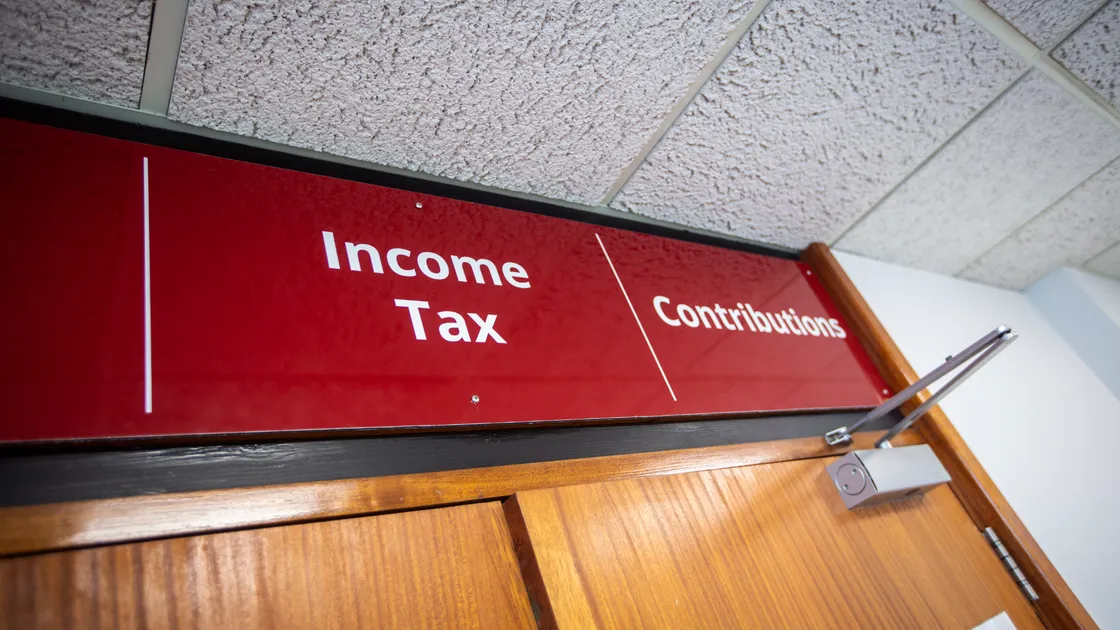
Parts of the tax system relating to dependent relatives, housekeepers and infirm persons result in very few claims and I understand are closed to new claimants, so why have them still in the tax system at all, creating additional work?
Mortgage interest relief allowances cost around £3.5m. a year and perhaps should be withdrawn with first-time buyers helped in other ways. I know the Committee for Housing has some great ideas on that for the 2027 Budget.
The 20% rate of tax has been the same for such a long time, but social security rates have increased and are due to increase further as part of the proposed GST-plus package, but could they remain if GST itself is kicked out?
We know our lives have changed so much relating to health care, longevity, children with more complex needs, cost of living issues, high construction costs and other reasons. We don’t even know the current size of the population in the island. And what has happened to the idea of looking into a health insurance scheme? Some people have health insurance through their work, but the taxpayer is funding health service costs, instead of claiming them from Bupa, Axa or Allianz. Having been the finance manager of the Ambulance Service for four years before returning to the States, I know we are missing a trick or two.
There are so many questions which deputies are trying to pursue ahead of the tax debate when we are meant to come up with answers.
I await the answers to my questions. I have already set up a meeting with P&R on 9 June, the day after the publication of their major tax policy letter, as I now know that the committee’s homework will need to be amended.