At first glance, the answer seems obvious – happiness. Most people want pleasure, comfort, and freedom from suffering. Yet philosophy has long questioned whether happiness alone is enough.
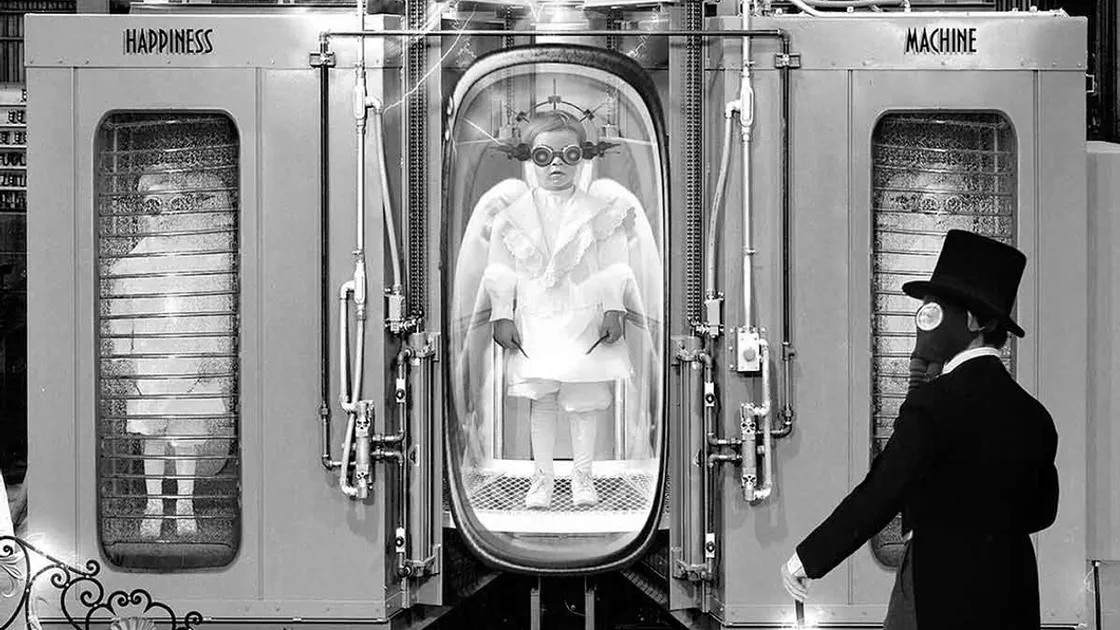
Nozick asks us to imagine a machine capable of giving us any experience we want. Once plugged into it, you will feel perfect happiness, success, love, and achievement – whatever floats your boat. Every ambition fulfilled; every joy guaranteed, and it will be indistinguishable from real life. The catch is that none of it is real.
If happiness were the only thing that mattered then choosing the machine would be obvious. Yet many people hesitate or refuse to do so.
In fact, no one in my philosophy group wanted to enter it, despite having experienced some tough times in their lives. Nozick believes this reaction reveals something important about human nature. We don’t just want the sensation of achievement; we actually want to achieve. We don’t want to feel loved; we want genuine relationships with real people. In short, we value reality.
This thought experiment exposes a weakness in the idea that pleasure is the highest good. Endless happiness, detached from reality, begins to look empty. Winning an Olympic medal in the Experience Machine is not the same as the challenge of a real competition. The training, the risk and the struggle are not unfortunate extras but the very things that make the achievement meaningful.
In other words, Nozick is right. What we seek in life is not pleasant experiences, but reality itself, even when that reality is tough. The richness of a good life is rooted in overcoming our struggles rather than comfort alone.
I think the contrast between Albert Camus (who wrote The Stranger) and Aristotle helps us here.
Camus, writing in the shadow of the 20th-century wars, argues that the universe is indifferent to human hopes. In The Myth Of Sisyphus, he describes the ‘absurd’ – the tension between our desire for meaning and a world that offers no clear answers.

His symbol is Sisyphus, condemned by the gods to roll a boulder uphill. Each time he is about to reach the top, the boulder falls back down and he has to start again – this goes on for eternity.
The image is bleak but, Camus insists, Sisyphus is not defeated. By recognising the absurdity of it all and continuing anyway, he asserts his freedom.
Meaning is not handed down from the universe; it emerges through rebellion, persistence, and conscious engagement with life. Camus famously concludes that ‘one must imagine Sisyphus happy’.
At first glance, this is a radically subjective view: since the world has no inherent meaning, humans must create their own. But this is only part of the story. Sisyphus doesn’t escape into the Experience Machine. His dignity comes from confronting reality as it is. The struggle matters because it is real.
This is where Aristotle offers a valuable counterpoint. For Aristotle, the good life – eudaimonia – is not mere pleasure or emotional satisfaction, it is flourishing, and flourishing comes from fulfilling our nature as rational and social beings.
We flourish when we cultivate the virtues such as courage, justice, wisdom, and self-control.
Happiness is not a feeling but the result of living excellently. A meaningful life involves effort and discipline, and being part of society. Challenges aren’t obstacles to flourishing but conditions of it.
Aristotle is more optimistic than Camus. He believes there is an underlying order to the universe and we can discover what genuinely fulfils us.
Camus is more sceptical, yet the two thinkers converge on one crucial point: neither would choose Nozick’s Experience Machine.
The philosophy of the good life, then, asks us to think carefully about what we really want.
Endless pleasure and easy satisfaction sound appealing, but they are shallow against living in reality with all its unpredictability and challenges.
What makes for a ‘good life’? I think there is a middle way between Aristotle and Camus. We aren’t creators of meaning in a meaningless world, nor simply followers of a script written into our nature.
Instead, we are seekers – beings whose fulfilment lies in the ongoing task of becoming who we are through challenge, relationship, and growth.
The good life is an ongoing journey, shaped by reality and enriched by the struggle to live well within it.