They watched and did nothing on the day Guernsey embarrassed itself perhaps like no other time.
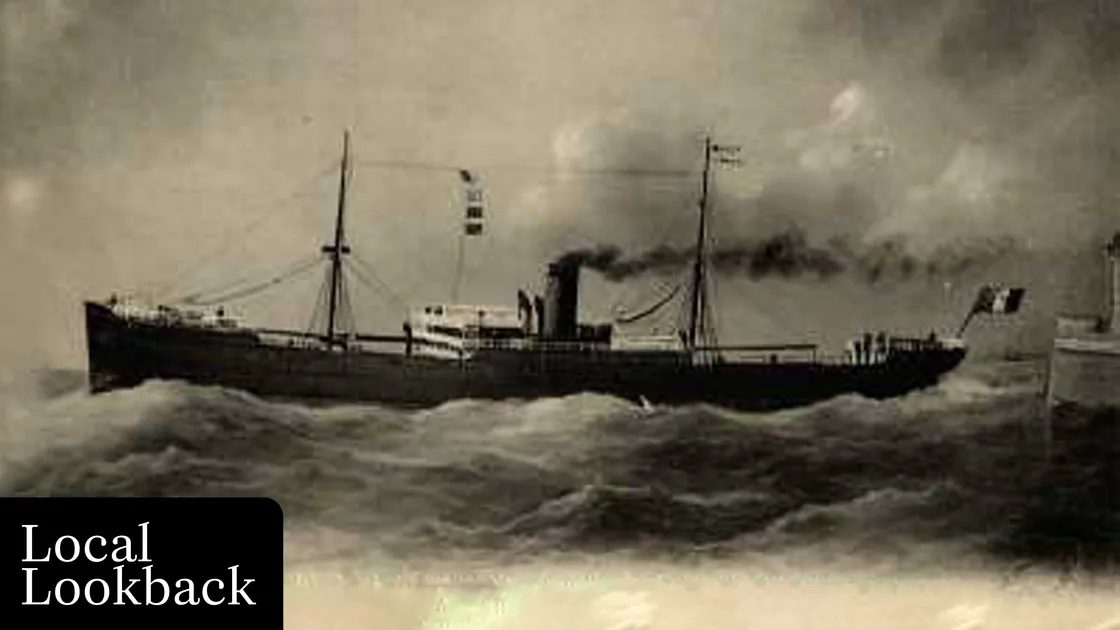
Amid a bad storm and the heaviest of local seas, a ship is clearly in dire trouble just a handful of miles off L’Ancresse.
Today, our wonderful lifeboat crew would be there in a shot and, quite possibly, everyone aboard would be saved.
But not in 1915.
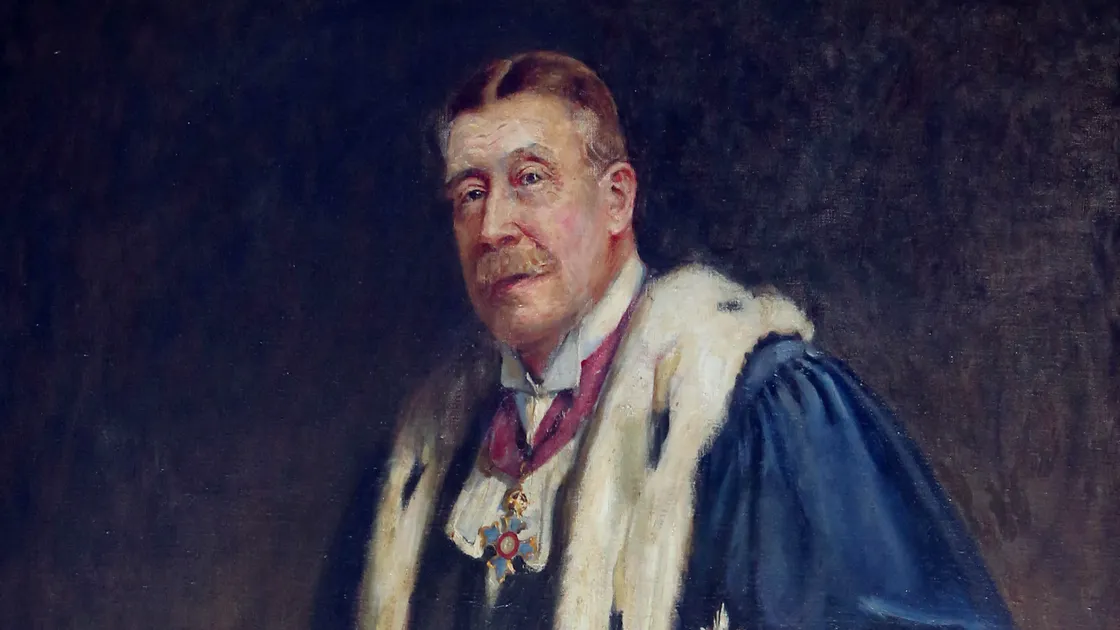
‘This was a disgrace to the island which will take years to wipe out,’ said Bailiff Edward Chepmell Ozanne at the inquest into the loss of the French steamer St Malo with all 24 officers and men aboard perishing – comfortably within sight of our north coast.
Bailiffs are not prone to make such dramatic statements but on this occasion, Sir Edward’s comments only summed up the widespread frustration of an island community who – just for once and at a time hundreds of our young men were fighting ‘the Bosch’ and giving up their lives – were found wanting.
In reality, no person, nor the local lifeboat, were at fault and more than a century on suspicion remains to what sunk the 70m-long ship, almost full with potatoes, that fateful November morning.
Was it simply the worst seas in living memory that did for her, or was it, a mine or U-boat’s torpedo?
Before we get more into that question, let’s get back to the real facts:
It is 13 November and the island has been in the midst of a bad storm for the best part of 24 hours.
It is mid-morning and the steamer St Malo is sighted five miles NNW of the Brayes, by the coastguard at Fort Le Marchant, which peers down at the nearby reef.
Suddenly, the ship is seen to turn turtle and founder, but this remains unreported to the lifeboat station for two hours.
But, even then, the unpowered lifeboat by the name of Arthur Lionel, remains in port, due to damage and the weather.
The weather on 12 and 13 November was atrocious.
Records indicate that much damage was caused and many small craft were lost in Guernsey, with a similar story in France.
This was a widespread and violent storm. You would not want to be at sea, but the Frenchmen were still some 150-odd miles short of their destination and, crucially, just a short distance from the sanctuary the Little Russel provides.
Their situation was increasingly dire and adding seriousness to the situation was the fact that back in St Peter Port, the yacht, Maria, owned by Mr A H Zabiela, had dragged her mooring and became entangled with the lifeboat, damaging the latter’s ropes.
This was to become critical in the unfolding tragedy, so too the-then simple handicap that any lifeboat had to be rowed to the scene or pulled there.
So why could it not be pulled out to the St Malo?
Enter complication three.
The only island-based motor tug, the Alert, had recently been commissioned and was unavailable.
All this spelt H-O-R-R-O-R to the men aboard the ship of spuds.
At 10.30 the St Malo veered right around with a heavy list to port, showing two flags between the masts.
At 12.00 an ensign was seen at half-mast, indicating distress, and by 12.30 she had sunk.
The famed Bordeaux pilot, Emile Noyon, put to sea at noon to render assistance, but on his return reported that the vessel had ‘turned turtle’ and sunk. He saw no lifeboats.
He was later to testify to the inquest that this was the heaviest sea he had seen in his 37 years as pilot.
At the request of the St Peter Port harbour master, Captain Langlois, the Sayonara, a steamer in St Peter Port harbour, put to sea, only to quickly return as he deemed the weather was too rough.
Nothing could be done.
In no time the bodies were being washed ashore from L’Eree to Herm and, some days later, the final one in Jersey.
The public inquest was not a good look for Guernsey as it highlighted the inadequacies of the existing lifeboat and a lack of urgency to help the stricken ship.
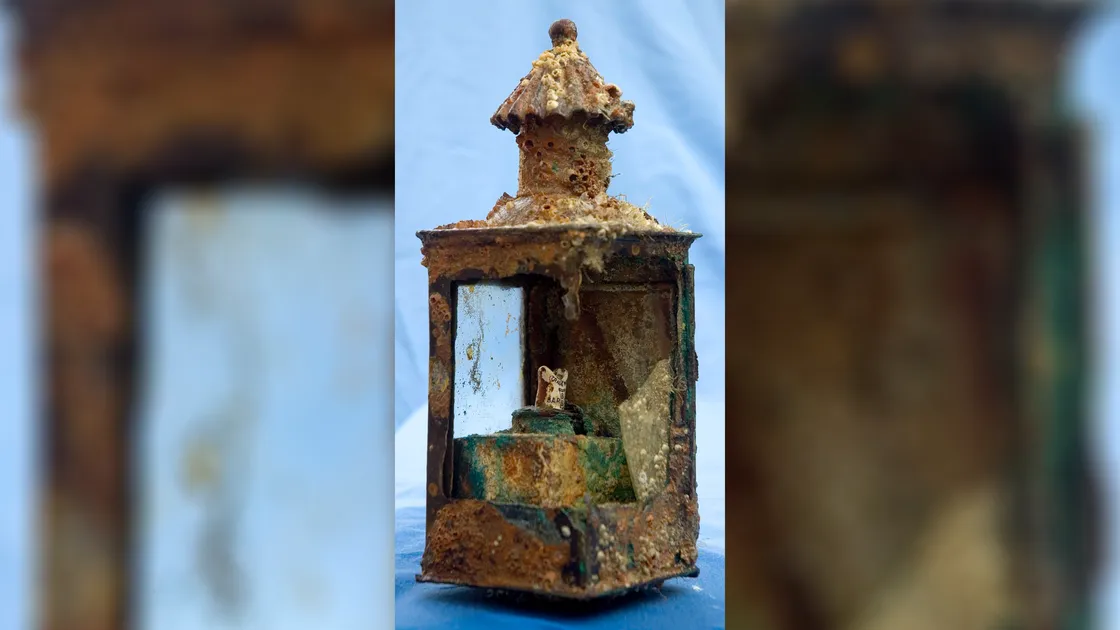
Here are segments of the evidence given:
John Gillman, coxswain of the lifeboat, confirmed it was his duty to call out the crew.
On Saturday 13 November he had met the harbour master at the White Rock and he [Captain Langlois] did not tell him about calling out the lifeboat.
He did ask him if he was going out, and a witness said he could not as the boat’s ropes were all cut up. It was just not possible to get her out in the condition she was in. And even if the ropes were all right, no tug boat could have taken her out as a tug boat would have taken the bows out of her, and it was also not possible to row her out.
The present lifeboat was of no use to the island and only a powerful boat could have got out. ‘The old Alert would not have got out,’ Gillman stated.
In rounding up the inquest, Sir Edward may well have been wearing a black cap, such was his alarm of what he had heard.
In as many words he stated ‘it appeared from all accounts that there had been a slackness in the endeavour to save life. This was a disgrace to the island which would take years to wipe out.’
There was an opportunity for heroic deeds and certainly the occasion invited serious introspection.
Guernsey had not come out of this looking remotely good.
Jersey’s Morning News paper piled on criticism via a comment piece: ‘In Guernsey the impossibility of the task seems to have been taken for granted and nobody lifted a finger to help... for the honour of the Channel Islands we would be only too pleased is another complexion could be given to a matter which the evidence at present available presents in a most deplorable light.’
Almost immediately there were public calls for a new, motorised lifeboat or a motor to be fitted to the existing one, while politically it sparked a political incident between the British and French governments, involving parliament, the Board of Trade, the Admiralty, the coastguard, the States of Guernsey, the Bailiff, the RNLI and even the coxswain of the lifeboat who was eventually made a scapegoat for a lack of response.
One positive recommendation was the provision of a powered lifeboat – the Queen Victoria – which arrived in 1929, costing £11,500. Fitted with every modern aid including radio, she would be moored permanently afloat.
‘Our torches cut through the gloom’
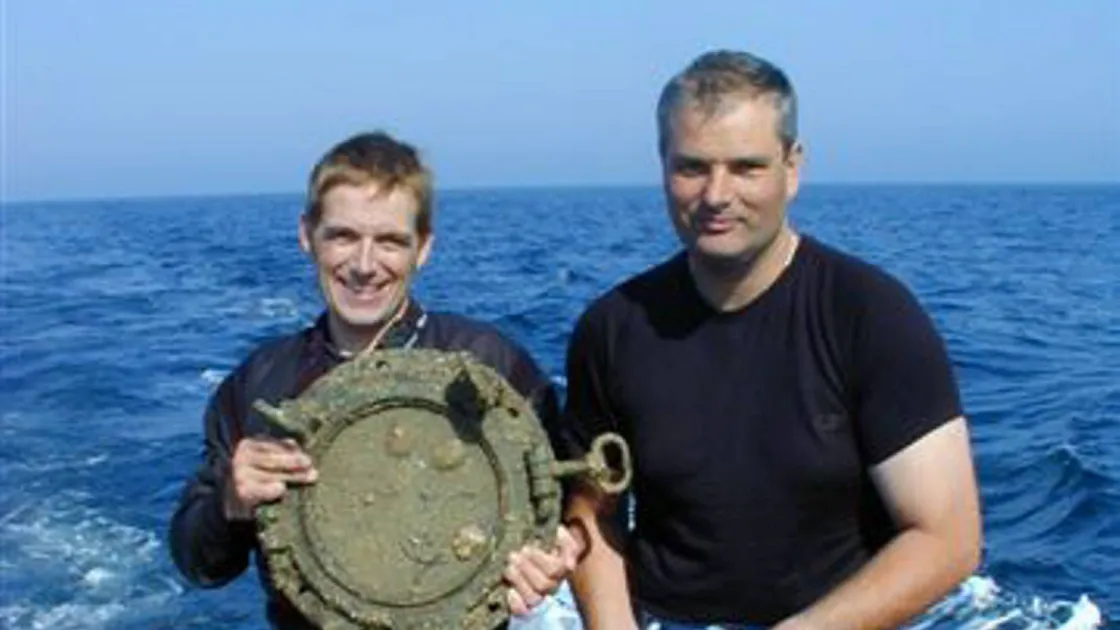
Why the St Malo sunk to the seabed 70m (230ft) below the waves, remains a mystery – and probably always will.
Local diver Paul Carre, who descended into the twilight of the wreck many years ago alongside Phil Warry, said ‘there are still many unanswered questions’, as to why it went down.
For a start, if she sank during a great storm, why have the majority of the portholes found been wide open?
Standing orders in wartime were to sail with all portholes closed and as Chris Morgan wrote in this paper back in 2006, ‘common sense would also expect them to be shut with the steel storm plates tightened down during a storm’.
Did she hit a mine, or was torpedoed by a U-boat known to be active in the area?
The diving team saw no damage consistent with the mine or torpedo theory.
What is for certain, though, is that it is dark and bleak down where the wreck lies. ‘At 70m deep there is little surface light penetration, just a twilight effect,’ Carre said in that previous feature.
‘Our torches cut through the gloom to reveal a quite well-preserved wreck. The central section lay exposed with steel ribs now enclosing the now empty bridge area. ‘Our aim was to positively identify the wreck as the St Malo and it became pretty obvious to us that we were the first to dive the site. To most divers the chance to recover, say, a bronze porthole from a wreck is a once-in-a-lifetime opportunity – and all of these were there, just lying amid the wreckage.’