
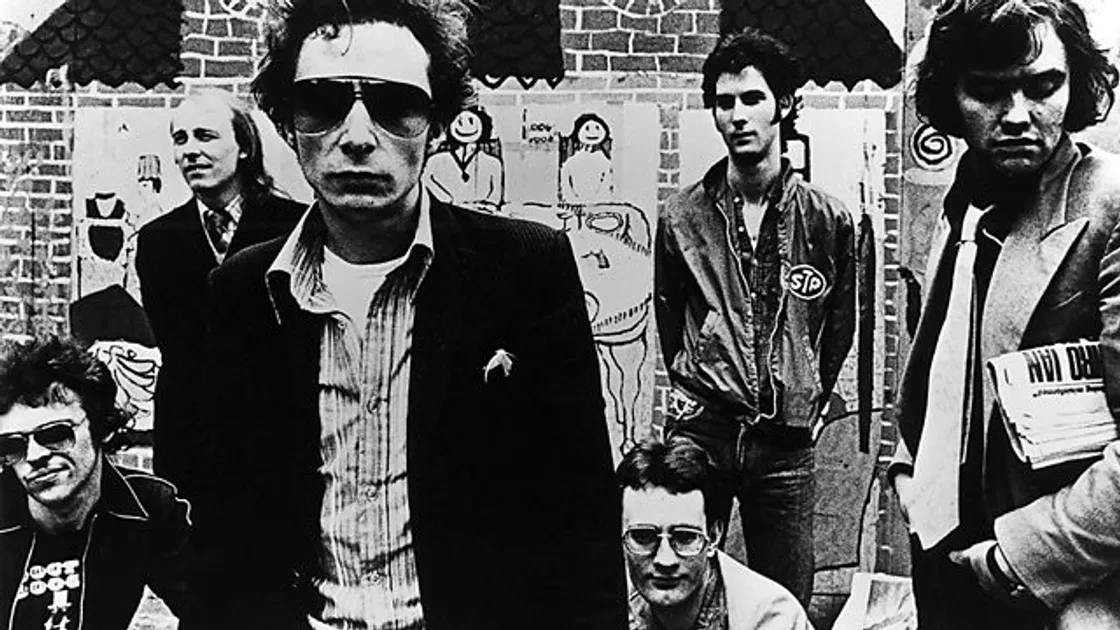
‘In the spring of 1969 I took the ferry to Guernsey with two friends from Surrey,’ said Graham. ‘One of those friends had an uncle who ran a landscaping business on the island and we had no other plan other than to work for him picking those giant tomatoes that grew in greenhouses all over the island. I soon made new friends on the island, locals and working travellers, and got a job at Warry’s Bakery. Then I bought an acoustic guitar in a small music shop and it was there, in Guernsey, that I began to take playing and writing songs seriously. I have very fond memories of my year or so on the island, it started me on the path of what would eventually become a life in music.’
On 8 August 1963, The Beatles performed two evening shows in St Peter Port in Guernsey. A year later, from 18 to 20 August, the Rolling Stones played three nights in the same town. This did not transform Guernsey into a Channel Island version of London’s Swinging Sixties. It was still a conservative place – shops and pubs were closed on Sundays. But if you were interested in what the British called ‘freak culture,’ ie, hippies, you could find members of the counter-culture there.
Parker and his friends had never touched a drug when they disembarked from the Guernsey ferry. They were greeted by Mick’s uncle, ‘who was bald and instantly looked at me and Dave with great suspicion because we had hair down to our ******* shoulders. You could instantly feel the bad vibe,’ Parker said. Uncle Bad Vibe drove them to his cold and grim stone house and the next day Parker’s brief career in the tomato-picking trade began.
In the mid to late 1960s, agriculture was one of Guernsey’s main industries, along with finance and tourism. From 1966 to 1969, tomato exports increased from 8.9 million trays to 9.6 million. That meant nearly half a billion tomatoes. Each one of those tomatoes had to be picked, packed up, and shipped. The majority of tomato pickers were local students or farmers’ relatives.
The tomato plants, Parker said, were Jack-and-the-Beanstalk huge. With ladder in tow and basket in hand, Parker would pick massive beefsteak tomatoes from the plants. This left him covered in green tomato-leaf dust and breathing in what are now most likely illegal pesticides.
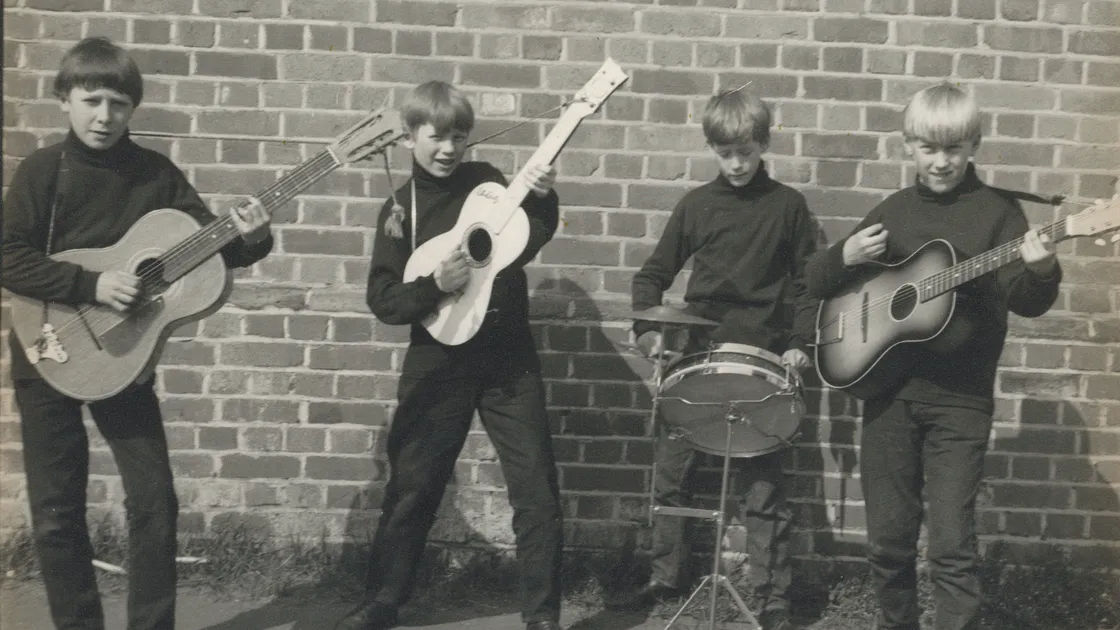
In time, Dave moved back to England and Parker was fending for himself. The independence was fine by him. He was away from England’s dull suburbia, making friends and having adventures.
Parker found a job at Warry’s Bakery, which supplied the island with bread. Two men from Yorkshire ran part of the factory, and they put Parker on the assembly line, where over and over he would shake six loaves from warm tins into a container. He had other jobs on the island, too, including digging ditches for a landscaper.
Even before his first time getting stoned, Parker had been hanging out with freaks who were getting high and dropping acid. ‘I didn’t understand them,’ Parker said. ‘And I didn’t understand their music. I was still into twelve-bar blues, anything with a four-four beat. Not the different rhythms and the more airy, spacey stuff of the Pink Floyds and King Crimsons. I didn’t understand that and didn’t really want to.’
He thought of it as stupid white music by college boys. But the people listening to that music on the island were the interesting ones and became his new friends. If Parker wanted to hang out with them, he would have to take his place in the psychedelic age, which was in full swing on Guernsey and in youth cultures around the world.
Parker became a regular dope smoker alongside his freak friends, including Phil, a Guernsey native he moved in with. Two weeks after smoking dope for the first time, Parker dropped acid in a big gathering out in the country, to profound effect. ‘We spent the entire night tripping and did what you did – went out for a walk at dawn and felt like a new man, and your whole perspective changed,’ Parker said.
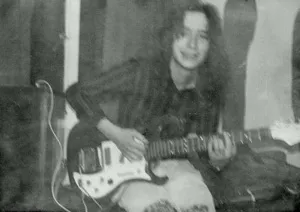
After dropping acid, Parker couldn’t get enough of psychedelic and progressive music. ‘It wasn’t too long after that I heard Pink Floyd and understood it instantly,’ he said. ‘And the last thing I wanted to hear was something with a four-four beat. The blues, gone. It was all in the head then. You didn’t shake your ass anymore. There was none of that. Very little head-bobbing going on. It was navel gazing. I mean, it was eyes closed, getting these panoramic visions of the music. It was totally different. No question about it. It changed everything.’
His Yorkshire countrymen took a liking to Parker and promoted him to the grand position of dough mixer at the bakery. He would wheel huge metal bowls over to where the ingredients were kept and dump flour, water, yeast, butter (or lard, Parker isn’t sure), and salt into them. The bowls were then wheeled to another part of the factory, where the dough was shaped and baked into loaves.
The bread-making job only took up a few hours each morning, leaving Parker plenty of time to listen to music while tripping or getting stoned. That meant he had to learn how to roll joints British style, using three skins, or papers, with a mix of pot or hash and tobacco. He and his friends, having gathered in someone’s apartment and gotten properly high from cigar-sized joints, would zone out to Pink Floyd’s Ummagumma, Jethro Tull’s Stand Up, the Steve Miller Band’s Children Of The Future, Captain Beefheart’s Safe As Milk, and Santana’s Abraxas.
The Beatles’ Abbey Road was in the mix, too. While a teenager, Parker had enjoyed their music but considered it a bit pop, a bit lightweight, compared to Prince Buster or The Skatalites. After he began tripping, though, he realized that John, Paul, George, and Ringo had also taken LSD, and Sgt Pepper’s Lonely Hearts Club Band and Abbey Road became more consequential records for him. ‘It was like I met The Beatles again,’ Parker said.
Light relief was provided by New York singer David Peel. Parker said he considers Peel’s raw acoustic music on his 1968 album, Have A Marijuana, to have been punk before punk. The Guernsey freaks weren’t the only ones who appreciated Peel’s anti-establishment songs. His 1972 album, The Pope Smokes Dope, was produced by John Lennon.
He thought of it as stupid white music by college boys. But the people listening to that music on the island were the interesting ones and became his new friends. If Parker wanted to hang out with them, he would have to take his place in the psychedelic age, which was in full swing on Guernsey and in youth cultures around the world.
A certain musician and a certain band that Parker heard in his often-stoned state provided a path forward in his musical development. The musician was Donovan, and the band was the Incredible String Band, particularly their record The 5000 Spirits or The Layers Of The Onion. The Incredible String Band, Parker said, ‘were quite instrumental for me to understand that you could be pretty trippy but play acoustic guitars and things. Then they had that folk tradition where they psychedelicised it. You could tell by the lyrics, and they were so adventurous within that folk realm. They stepped right through it and blasted way on through to the other side.’
It wasn’t the psychedelic side of Donovan that clicked with Parker, however. Nor was it the hits that Parker had heard back home in England. It was the fact that Donovan was making music with an acoustic guitar. ‘I think him and the Incredible String Band led me towards the idea that I wasn’t going to suddenly be in a band with an electric guitar making sounds like Pink Floyd. That wasn’t going to happen. But what if I bought an acoustic guitar?’
Parker had spied a fire-engine red acoustic guitar in a shop window. After passing it by a few times on his walk to and from the bakery, he could resist it no more. ‘I was attracted to the colour of it, and it turned out it played very well for something that must have been quite cheap,’ he said. ‘I didn’t know much about guitar brands. I probably had a strum on it and bought it.’
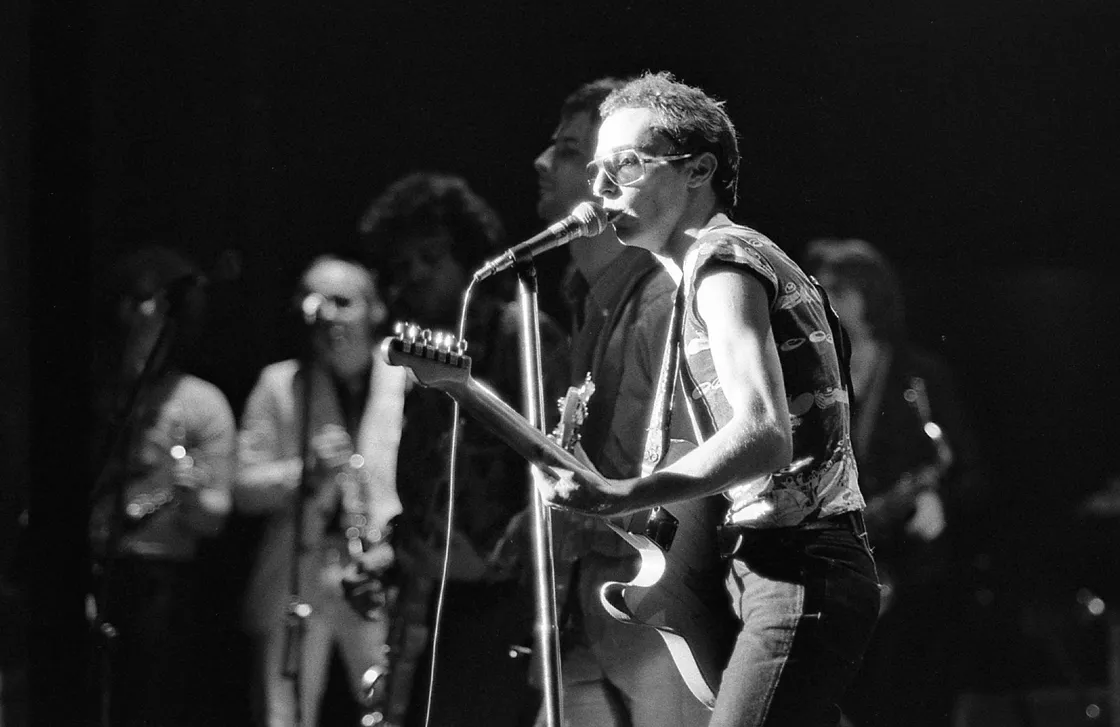
Inspired by the times, the drugs, and the music he was hearing, Parker noodled around with Eastern notes and began trying to play Incredible String Band songs. He also began teaching himself to fingerpick, influenced by Bert Jansch, a guitarist regarded for his acoustic playing. ‘Now I really found a sort of purpose. I wanted to convey this new experience via songs possibly, in this realm of new music that I was now understanding fully and part of,’ Parker said. ‘It was very inspiring in that way. It got me to do something, to be part of that scene. I wanted to express this inner world in some way.
‘Nothing else had got me actually working and integrating into music. I just dabbled around and thought I had talent, which I’m pretty sure I did have a long time ago. I think it was always there, you know, inventiveness in my head of tunes, but I had nothing to sort of pin it on, and now I did. Because it wasn’t going out dancing to soul bands of black people from distant lands. These were white guys. A lot of these people went to fancy schools and all that. But suddenly it seemed okay because they were making this kind of music that gave you massive visions.’
Parker started writing songs that he knew weren’t good. Mainly he was trying to learn the styles of the Incredible String Band while adding a bit of blues to his beginner’s songs. The Incredible String Band ‘could go into any genre, three different genres in one song. They’ve gone to a bluesy break, there’s sort of blue notes in there, and now they’ve gone back into a pastoral sound,’ Parker said. ‘I was just trying to fit all that together and see what I could be within this scene, if anything.’
Although there are no songs on any of his albums overtly influenced by the Incredible String Band, their music opened up possibilities for Parker on how to write songs.
Eventually Parker understood he could get nothing more out of being in Guernsey. It was an island and he was getting jaded. He had friends who had married local girls, and that weighed on him. ‘I probably felt the same as when I was 13, that I’ve got something and it’s special, and I cannot get trapped anywhere. And it was always there, even when I wasn’t playing. The feeling that I had something, I didn’t know what, and I had no idea if I could pull it off. I had no idea at all. But I knew I was on a path, seeking it. It just took me a while. Instead of being like George Harrison, and you’re 17 and playing in The Beatles, I was in my twenties when my career began.’
Then 19, Parker was ready to return to England.
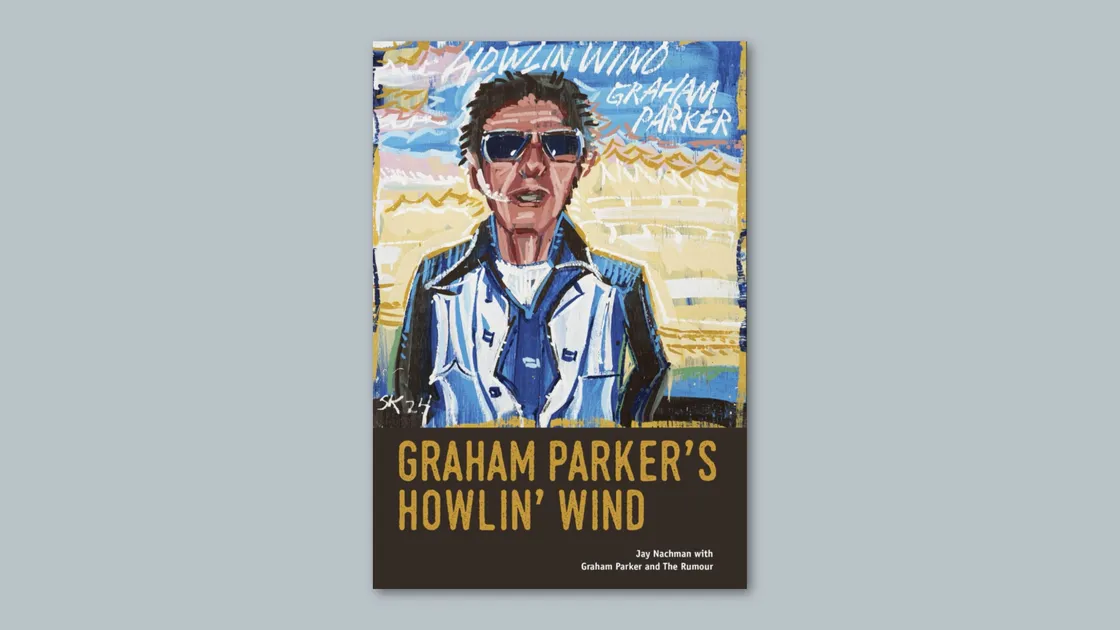
Graham Parker’s Howlin’ Wind by Jay Nachman with Graham Parker and The Rumour is available through Amazon.


You need to be logged in to comment.