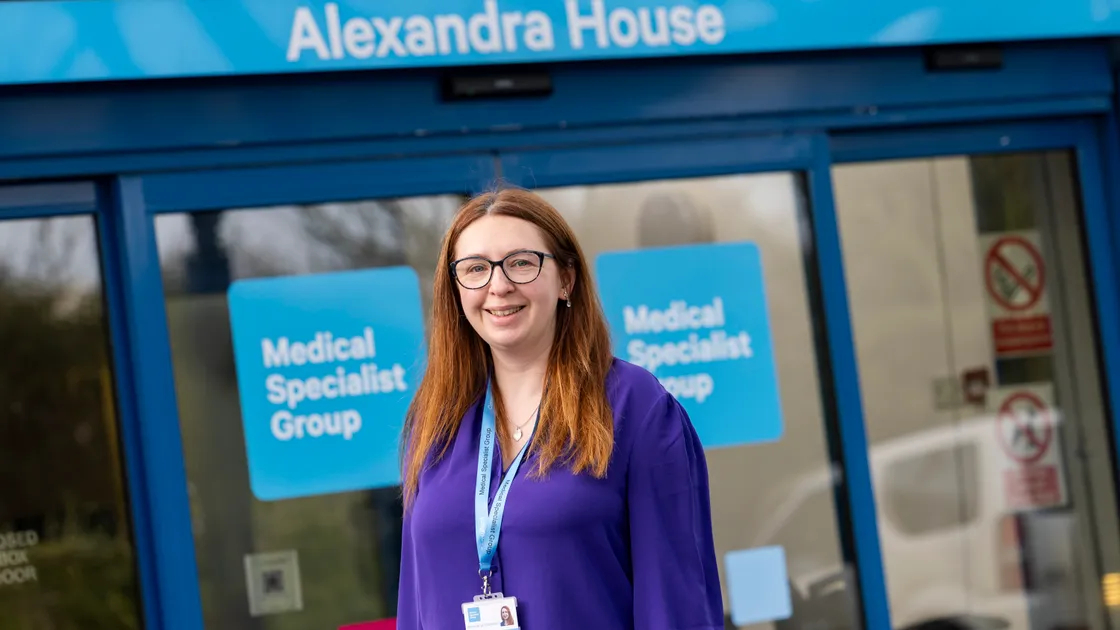
Island-born and raised, anaesthetic doctor Michelle Le Cheminant, 42, made her debut in this newspaper as a high-flying teenager. Having spent her childhood years at Castel Primary, she went on to become the first The Ladies’ College student to take on and complete five A-levels.
With her heart forever in the sciences, her chosen subjects were ambitious – physics, chemistry, biology, maths and further maths.
The rising star then moved to the UK, where she spent three years studying medicine at Cambridge, followed by another three years of clinical study at King’s College London Medical School. She said she had been inspired to enter the world of medicine after experiencing a period of ill health during her GCSEs.
Despite missing about a year and a half of school, she still came away with 10 A*s tucked under her belt.
‘It’s a challenging time being a teenager and having a health problem,’ she said.
‘I had a horrible 18 months or so, I was quite unwell. I’ve got a rheumatological condition and that’s really what sparked my interest in healthcare. It was the doctors at MSG who treated me, and it had a significant impact. I had to go back a year at school but, if anything, that made me more determined to get the good, necessary grades when I was well enough. And I was very lucky to get into Cambridge.’
She is the first doctor in her family of local trades workers. Her grandfather is a retired tomato grower. She said she had a ‘typical’ Guernsey upbringing.
‘I entered a Miss Guernsey competition at the South Show,’ she said.
‘I might have been 17. It was all part of normal growing up in the island. I was down at the beach every weekend, and I’ve had all kinds of different summer jobs. I used to be a hostess at Christies and receptionist at the Golden Monkey nightclub. Tie Rack in the Arcade was my Saturday job from 14 years of age.’
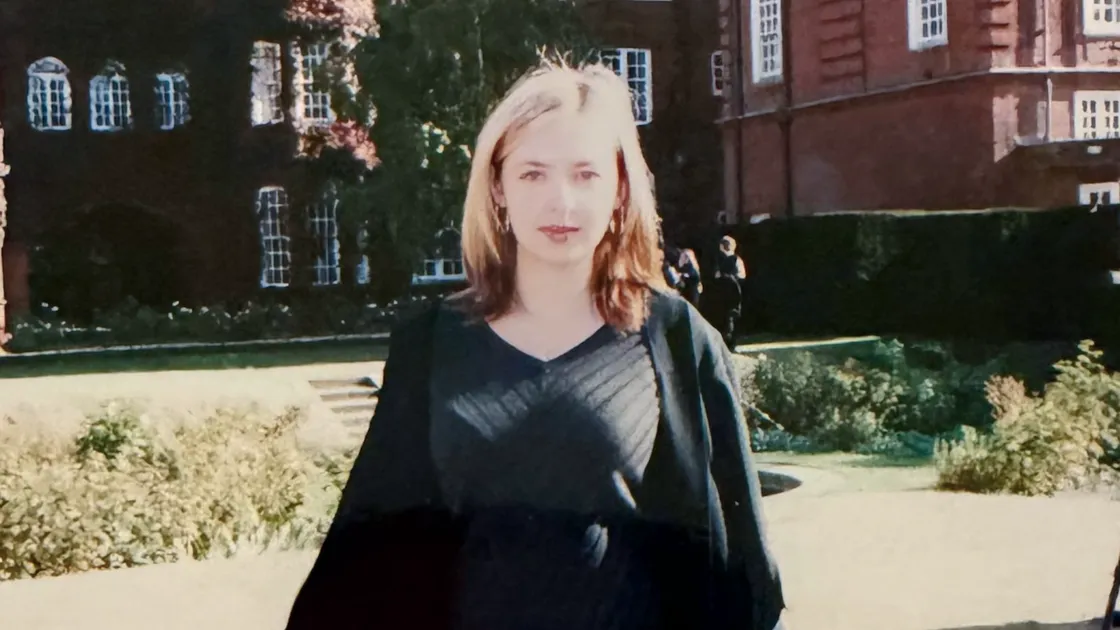
Though it turned out to take a total of 15 years of specialist training in the UK to become an anaesthetist, Michelle always knew that she would bring her newly qualified skills back to her home island.
‘All of my family are here,’ she said.
‘I’m very close to my grandparents, they’re in their late 80s now and still very active. That was one of my motivators for coming back, and having all of my friends and my family here, and I want the healthcare to be good for this community, as we can best deliver on a small island.’
Specifically, Michelle had the MSG in her sights.
‘MSG has been a part of my life for as long as I can remember. I did what was the equivalent of the Taste of Medicine course when I was in the sixth form. I spent some time then with my now colleagues, in particular Dr Yarwood, who was one of the previous chairs of the MSG. He was an anaesthetist as well, and that was what made me, as a 17-year-old, want to do anaesthetics. It’s kind of come full circle, and I’m really glad. It was a long training programme – I think there’s a bit of naivety going into it that you don’t realise just how long. All throughout my training I kept in touch with the MSG, and came back briefly for three months for my out-of-programme training.’
Before officially returning in May 2019, Michelle worked in London’s University College Hospital.
‘I really loved working there, it had been one of my core hospitals during my training,’ she said.
‘It was a fantastic group of people, but I’d always been drawn to coming back home. Within this small community, you really feel like you can make a significant impact. And I’ve got a lot to be grateful for from this community, they’ve given me the opportunities, essentially.’
After a year in the MSG, Michelle became the deputy directorate chair for anaesthetics, and two years ago she stepped up as clinical chair for the department.
‘I was always interested in management roles,’ she said.
‘I know management is not everybody’s cup of tea. It does take a lot of my time away from the clinic, which I do miss – but this is important in a different way. It’s an opportunity to have a more significant impact on the wider healthcare strategy of Guernsey.
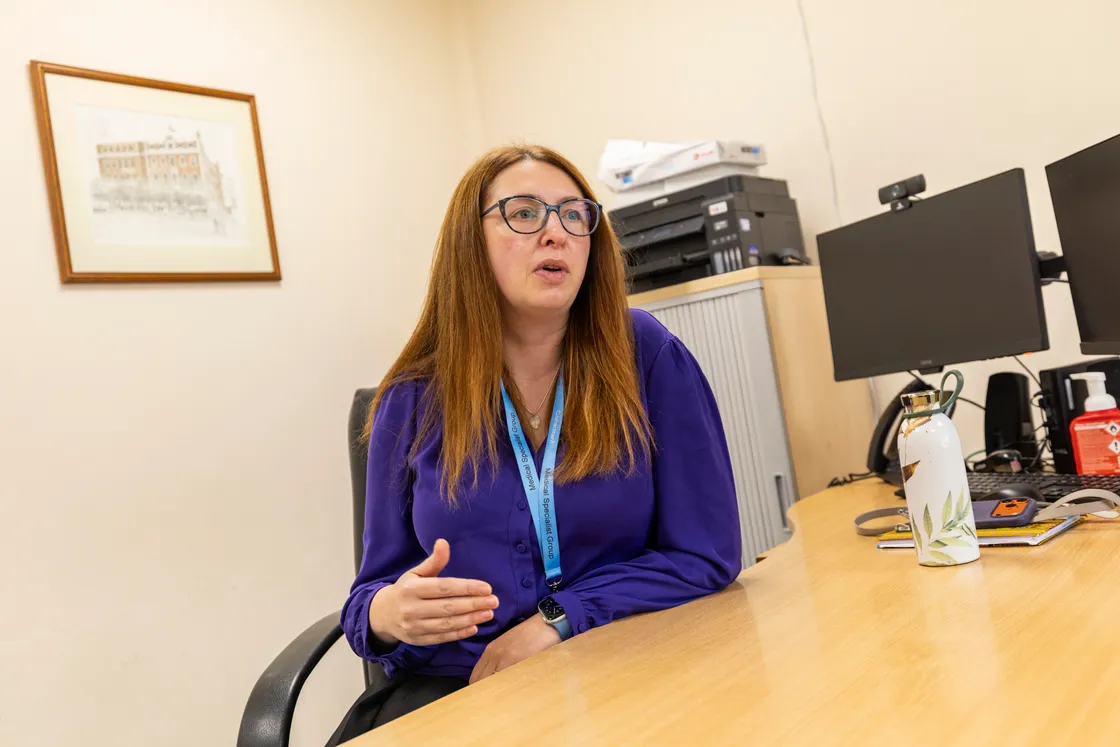
‘I’m still doing one day a week of clinical work and I still do on-call. I think, otherwise, you lose touch with the patients and with the experience that the staff have on a daily basis. I don’t think you can be well engaged with the staff unless you’re working clinically yourself. You can’t understand the needs of the population, or of your staff, so it’s important to keep up clinical work.’
In her new role as chair, Michelle hopes to provide the best quality of on-island care as possible, with a focus on patient safety and improving patient experience.
‘That’s surely got to be at the root of it, otherwise you wonder why you’re doing it.’
The MSG is going through a period of exciting transformation, she said, looking to harness technology more effectively. It has just implemented Heidi AI scribe, for example, a software tool that assists doctors with note-taking during consultation, allowing for more interaction with their patients.
‘We’ve got lots of new projects on the horizon for 2026, it’s exciting times,’ she said, adding that she believes the island’s healthcare system fares well against the NHS in the UK, offering unique benefits.
‘I think we’re delivering a really good standard of care. There are some things that Guernsey does really well, that the NHS would really like to have. The NHS is under huge pressure at the moment, and of course we’re feeling some of that here too, with the demographic changes in the population. The advances in health care mean that people are living longer, but unfortunately with more diseases. A longer life doesn’t necessarily mean a healthier life. I think having a consultant-delivered service in Guernsey is something to be really proud of.’
A niche example, she said, is within her specialist field. Local anaesthetists meet and get to know their patients in clinic before their operation, whereas in the UK the two might only meet on the morning of surgery.
‘It means patients get to hear about the risks and benefits of the different types of anaesthetic, ask questions and understand what will happen on the day,’ she said.
‘And we get a chance to build a rapport with the patient and see them all throughout their journey.’
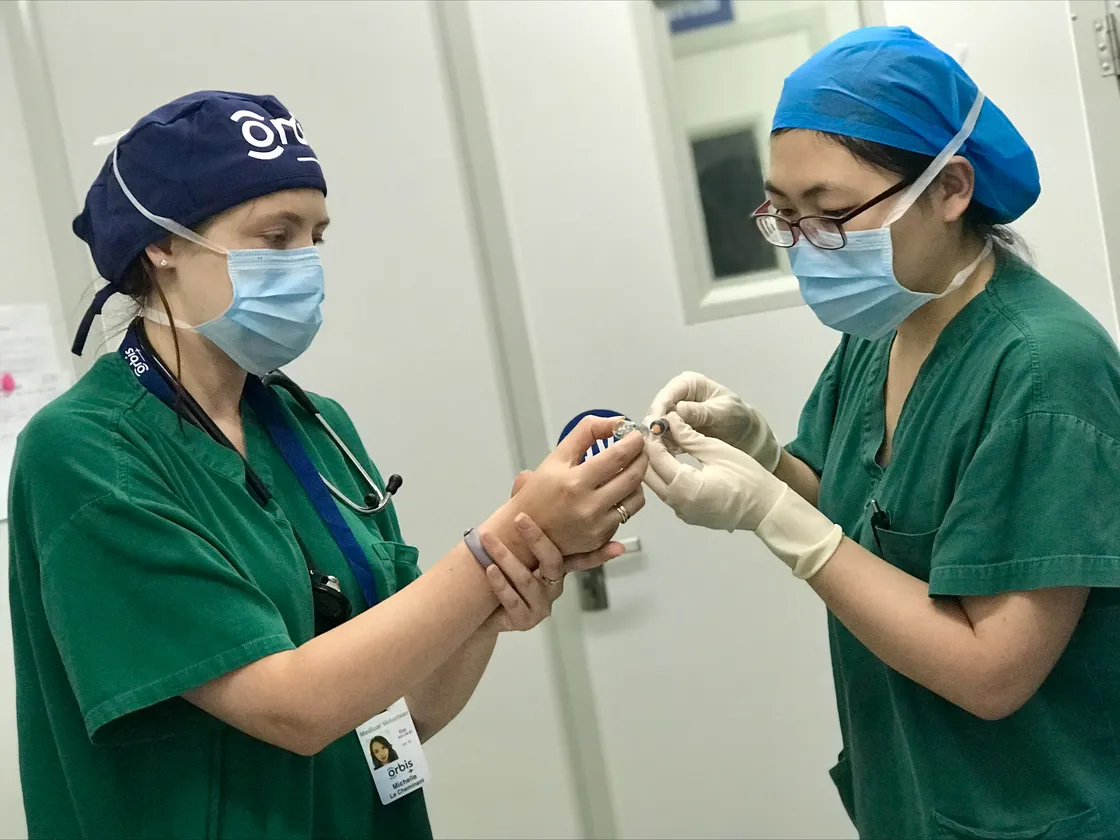
Michelle is a passionate volunteer, who continues to dedicate time and energy into charity work. She is a commissioner on the Guernsey Overseas Aid Committee, which funds ongoing programmes, and disaster and emergency relief.
She also worked as a volunteer lecturer in Zambia in 2017 for six months, based at the University Training Hospital in Lusaka, where she helped to advance Zambia’s first proper training programme for anaesthetists. Now, she continues to volunteer with the international eye care charity, Orbis, which aims to provide teaching and training in low- and middle-income countries – with recent projects in Vietnam, Malawi, and Mongolia.
‘People want to train in anaesthetics, but either don’t have the equipment or the teachers,’ she said.
‘So I see it as a real opportunity, an obligation really, to share my knowledge to help make big improvements in health care in those countries. It’s a really rewarding part of my job.
‘Particularly with Orbis, they go back to the same countries year after year, so you see the same students progress. It’s one of the things I miss here – not having resident doctors, not having those opportunities for teaching. There is potential for that in the future, though, with a link developing with one of the medical schools.’
Michelle strives to introduce more people to the MSG team and to keep on modernising the group.
Anyone interested in learning more about what the MSG does can follow dr.michelle_msg on Instagram.