
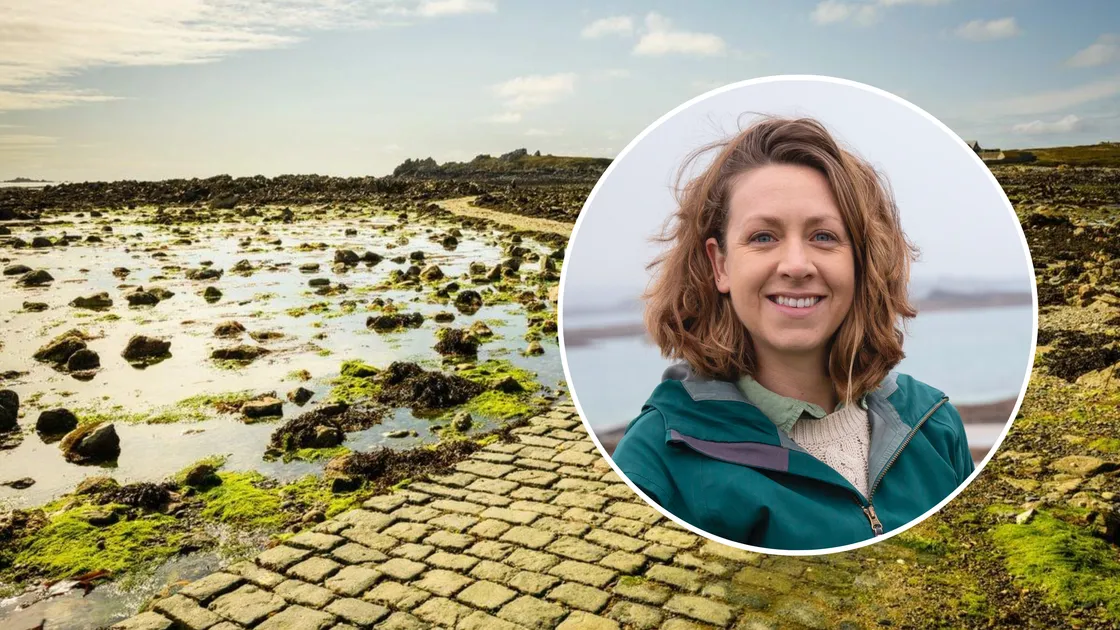
In March this year, the States published A Marine Biosecurity Guide For Guernsey, encouraging visitors and the local community to implement small actions to help reduce the introduction and spread of marine invasive non-native species.
While there are hundreds (if not thousands) of non-native species in Guernsey, only a small percentage of those will cause harm (either to the environment, the economy, or to people) and it is these species which are referred to as invasive non-native species, or Inns for short.
Inns have been identified as one of the key drivers for change in the report State Of Nature 2024, which highlighted trends in habitats and species of Guernsey and Herm. They are one of the leading causes of biodiversity loss and this impact is especially apparent on islands.
There are in excess of 200 Inns already present in Guernsey. Some of the most notable, which you may have already heard of, are three-cornered leek (Allium triquetrum), sour fig (Carpobrotus edulis) and the Asian hornet (Vespa velutina). But there are others, less obvious, that are hiding beneath the waves or around our coastline.
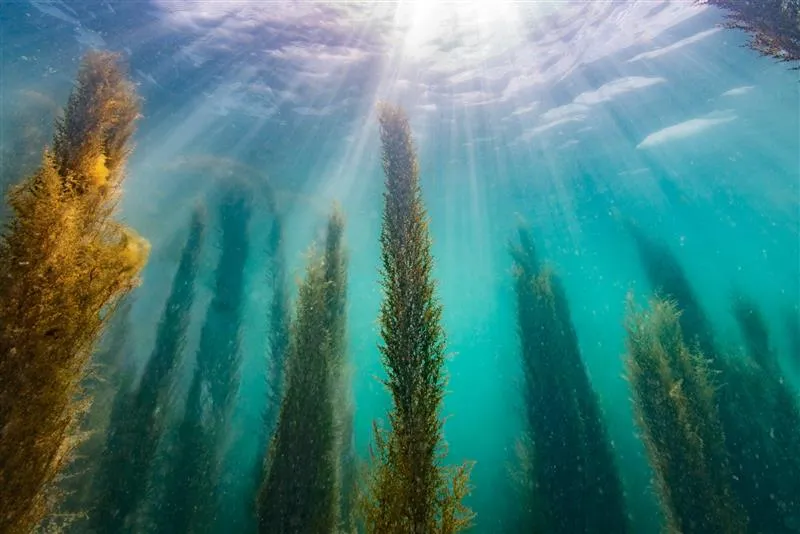
If you have been swimming or snorkelling around any rocky areas, you may be familiar with Japanese wireweed (Sargassum muticum) which forms long columns, up to 2m tall, which can tangle around legs and equipment as you try to manoeuvre through it. Or if you’ve been rock-pooling and are eagle-eyed, you might have noticed a black and red crust crowing over rocks and other hard infrastructure. This is the red ripple bryozoan (Watersipora subata), first recorded in Guernsey in 2017 and now present in most bays around our coast. Including the Guilliot Caves in Sark, where it is beginning to encroach on the spectacular walls of jewel anemones.
So you may be asking, if there are so many Inns already here, and already causing a problem – what good is biosecurity? Has the horse already bolted?
And is this all too little too late?
Well, it’s true that there is very little we can do about those species which are already present in our waters. Unlike those species on land (where invasive species management is challenging enough) it is much more technically difficult – if not impossible – to control species in the marine environment. And, even where control methods are feasible, it will inevitably come at a huge financial cost.
There are scores of new invasive species ‘on the horizon’ waiting to hitch a ride in ballast water, on boat hulls, or in equipment. Many of these species would pose a significant threat to the island’s environment and economy, and some pose a risk to human health and wellbeing.
With management being so challenging and prohibitively expensive, prevention is the best way of keeping these new species out of Guernsey’s waters and safeguarding our marine environment, marine industries, and the residents and visitors who make use of our incredible coastline.
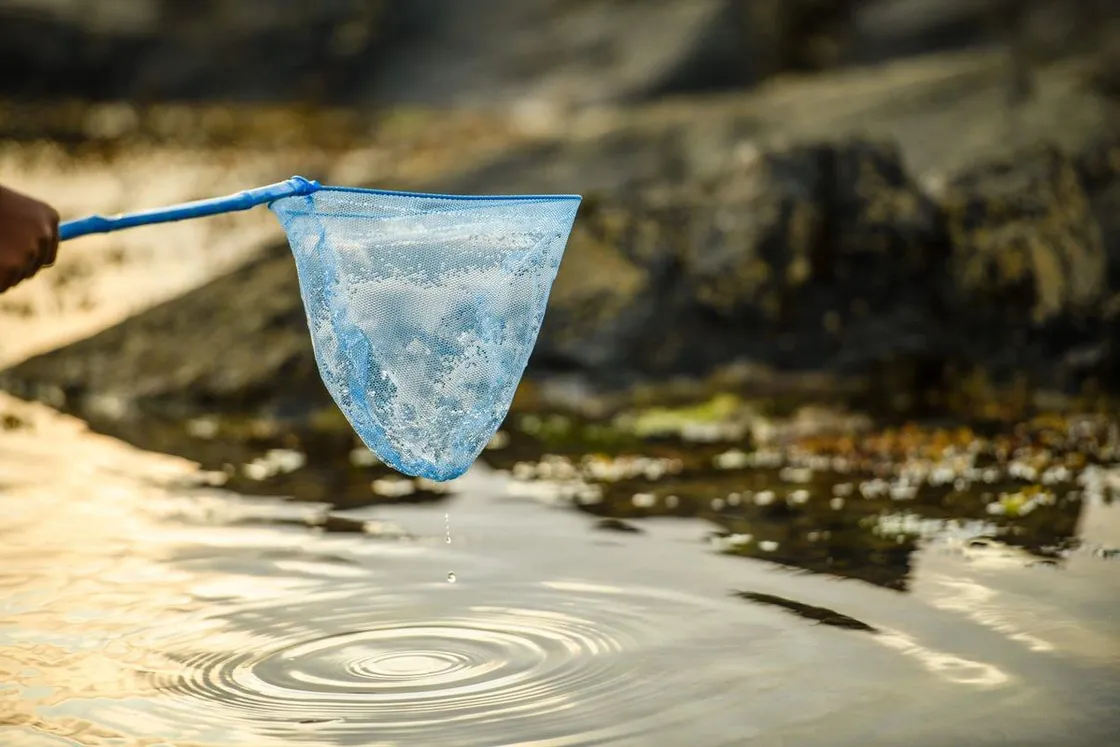
A Marine Biosecurity Guide For Guernsey contains simple, practical actions for all marine users to help reduce introduction and spread of Inns. Whether you’re a sea swimmer, kayaker, surfer, recreational boater or angler, there is specific guidance for you in this document and so we’d encourage you to check out the full guide at www.gov.gg/marinebiosecurity.
But if you don’t have time to read that full guide, there are two key messages which you should keep in mind when using the marine environment:
Check your equipment, boat and clothing after leaving the water for animals, plants and other debris. Remove anything you find and leave it at the site.
Clean everything thoroughly as soon as you can, paying attention to areas that are damp or hard to access. Use specific cleaning stations, if available, and preferably hot water, if possible. Dry everything for as long as possible before using it elsewhere – some Inns can survive over two weeks in damp conditions.
When moving between sites, even those that might seem close to each other (e.g. neighbouring bays), it is important to be aware that you might be spreading species.
Stop the spread by checking and cleaning your boats, equipment and clothing before moving to another area or site.
Make sure that animals and plants remain at the site that they came from.
Take a look at the full guide at www.gov.gg/marinebiosecurity.






You need to be logged in to comment.