


April 1969 was one of the sunniest on record. And it was that month when George Harrison, guitarist for The Beatles, spent the day walking around his friend Eric Clapton’s garden with a guitar composing what became one of the most popular Beatles songs to this day. George described his inspiration: ‘It seems as though winter in England goes on for ever, and by the time spring comes you really deserve it.’ For centuries the sun has been a source of joy and inspiration, and this week the sunshine has been bringing a smile and feel-good factor to many of us, sensing the start of a good summer.
However, as well as sunlight, the rays from the sun also contain invisible radiation in the form of ultraviolet light, UVA and UVB. Over time exposure to this causes damage to our skin, resulting in what dermatologists call ‘photo-ageing’. This results in dryness, itching or wrinkling of skin, sallow complexion, irregular pigmentation, loss of skin elasticity, enlarged blackheads and fragile skin which bruises easily. Worse still, it can cause skin cancer.
The deadliest form of skin cancer is melanoma. Guernsey has one of the highest rates of melanoma in Britain. It has been getting more common over the past 40 years, and numbers are expected to further increase. Melanoma is the fifth commonest cancer and is responsible for 55,000 deaths annually in the UK. If not detected and removed early, it can spread and rapidly become life-threatening. Fortunately new ‘biologic’ drugs which have been developed in the past 15 years help the immune system fight cancer, and have seen modestly improved survival rates. If caught early, survival rates are very high, around 98%.
Those most at risk are people who have had lot of sun exposure to the skin, especially episodes of sunburn, as well as those with a family history of melanoma, have lots of moles, especially irregular ones, and with fair skin, blue eyes and a tendency to freckle. In contrast darker-skinned people are less vulnerable.
To improve detection of early melanoma, some countries, such as Germany have screening programmes to regularly carry out whole body skin checks by specialists. Studies are awaited to determine whether this reduces melanoma-related deaths, but dermatologists are agreed that picking up problem moles early is a very important part of reducing skin cancer rates. In our practice we are fortunate to have a mole-mapping service at St Martin’s skincare clinic which combines a whole-body skin assessment by our GP skin specialist Dr Partridge with computer-aided digital video dermoscopy, to allow identification and detailed assessment of suspicious moles on a regular basis. This not only helps pick things up early but reduces the need for unnecessary surgery.
Self-examination should not be underestimated. New moles – especially if they look unusual or start changing – merit a check-up from your GP. The things to look out for include changing colour, shape, outline, size or itching or bleeding.
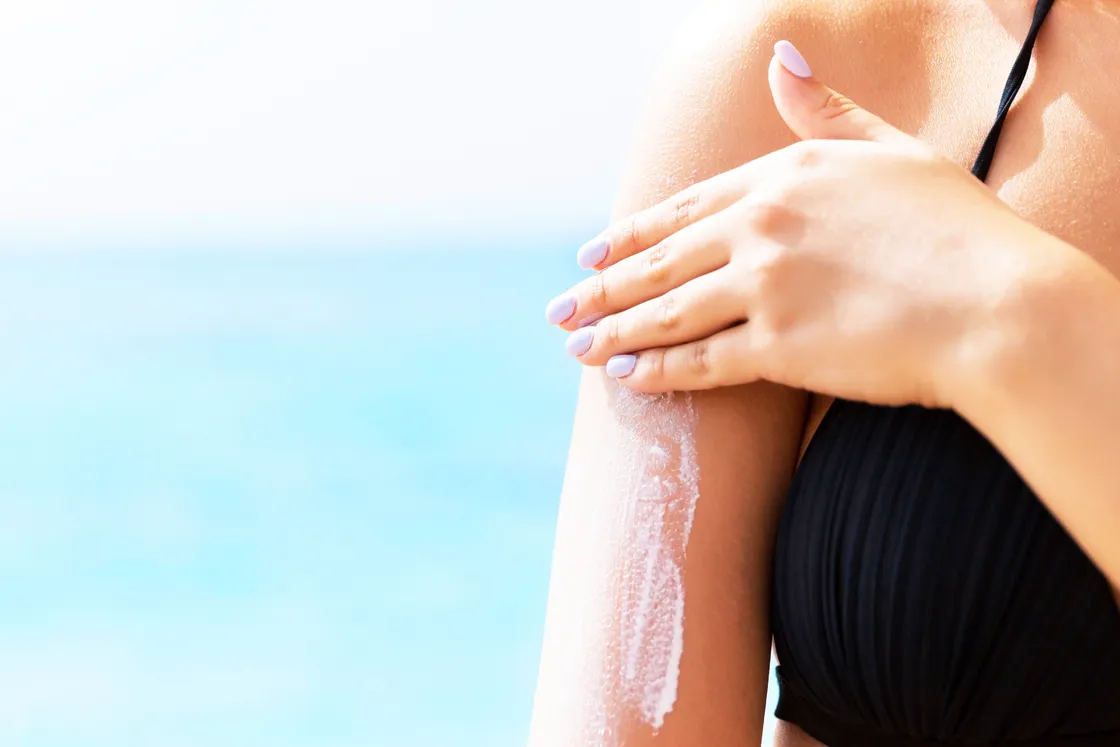
Most importantly though, prevention is key in protecting our skin from the sun.
These are my top 10 tips for healthy skin:
A suntan does not offer protection against skin cancer.
Short exposure of arms and legs in the sun is sufficient for vitamin D production.
Cloud cover does not prevent the risk of sunburn.
Sun through glass windows can still cause damage.
Wear loose clothing to cover the skin in strong sunlight.
Wear wide-brimmed hats to protect the sensitive skin of the scalp and face.
Try to spend time in the shade.
Use wraparound sunglasses which have the CE mark for UV protection.
Avoid time out in the strongest sunshine which is from 11am to 3pm, and reaches its peak mid-June.
Sunscreen is not an alternative to covering up, and you should use the equivalent of 6-8 teaspoonfuls (35ml) of lotion, with at least 30 SPF. Re-apply if it gets rubbed off.
We really do deserve to enjoy the summer after what can often feel like a long, cold, lonely winter – but no-one deserves to die of skin cancer. Let’s enjoy the sunshine sensibly.








You need to be logged in to comment.