What sort of books did you read as a child?
I was brought up during the war in a working-class family, where the only children’s books available were books of music and songs belonging to my mother or sister and the informative volumes of Arthur Mee’s The Children’s Encyclopaedia. My sister taught me to read before I went to school, so I was the one always called upon to read to the class or in public and won prizes at school and later at theological college for elocution, voice projection or reading aloud. Yet, strangely, I never took to reading for pleasure, probably because I was never read to as a child and because I was so busy playing ball games and collecting things such as stamps, foreign coins, matchbox labels, cigarette cards, train numbers, car registrations, pieces of shrapnel and (to my shame) birds’ eggs.
While my brother borrowed from the Gloucester library every Biggles book available, I – being much younger – took out books by Enid Blyton and later the Just William series by Richmal Crompton, but they were frequently returned only half- read. For some reason, sadly, I never really became absorbed in them.
What kind of books did you read to your children?
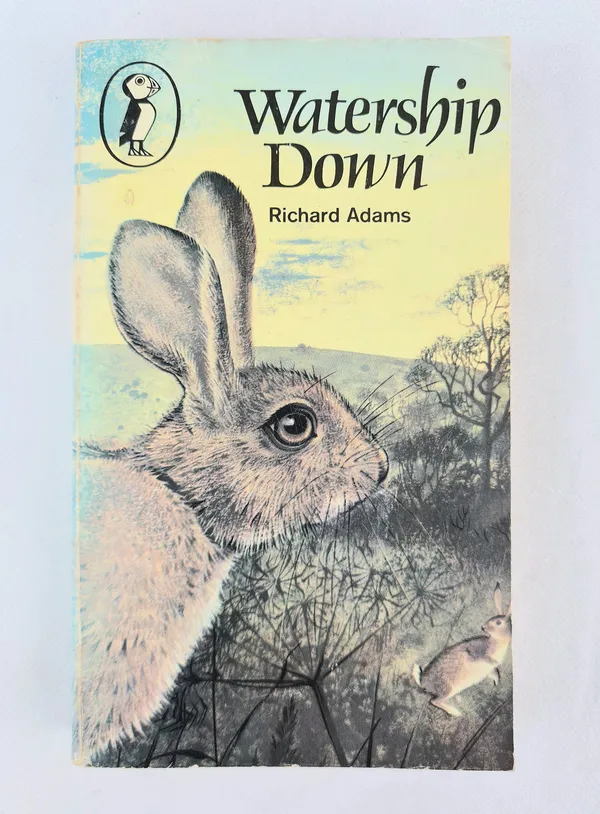
To our three children we, and they, thoroughly enjoyed our reading to them such books as Roald Dahl’s Charlie And The Chocolate Factory and especially Richard Adams’s Watership Down for whose episodes they were joined by other children while on holiday. They still speak of those memorable evenings, as I tried to give each rabbit a different voice or accent. I occasionally also read and sang to them very simple children’s rhythmical books in French thus familiarising them with the language.
Do you have any book that you return to again and again?
My own disaffection with private reading was compounded by my parents’ gift to me for Christmas in 1946 when I was 11. Longing for and expecting a football of my own, I received instead a book, or rather books, that were expected to be read, not by children, nor written or translated in a form suitable for a 12-year-old child – namely, a very black-covered, small-printed Authorised Version of the Bible. I well recall having to show gratitude but crying privately. Yet I now realise their intention was so good even though it was inappropriate, for it is definitely the book (in a more modern translation) that I constantly return to almost daily. As a minister of religion and later teacher of, among other things, religious education, I have become familiar with it and study it, always with the assistance of commentaries by the world’s greatest theologians and interpreters, and now appreciate what an unbelievably precious treasure-trove it is of wisdom, spiritual insight and guidance.
Do you have a favourite genre or author?
Definitely poetry and non-fiction. In my teens and at university, studying modern languages, I was required to read the works of the great French playwrights and the German Romantic poets. But I read them chiefly as a means of learning these languages and enjoying their choice of words, their rhythm and styles of writing rather than for the content of what I was reading. This fostered a long-standing interest in poetry with rhythm and rhyme, which I now read frequently, turning to my sagging bookshelf of poetic works and attempting occasionally to produce my own less gifted compositions.
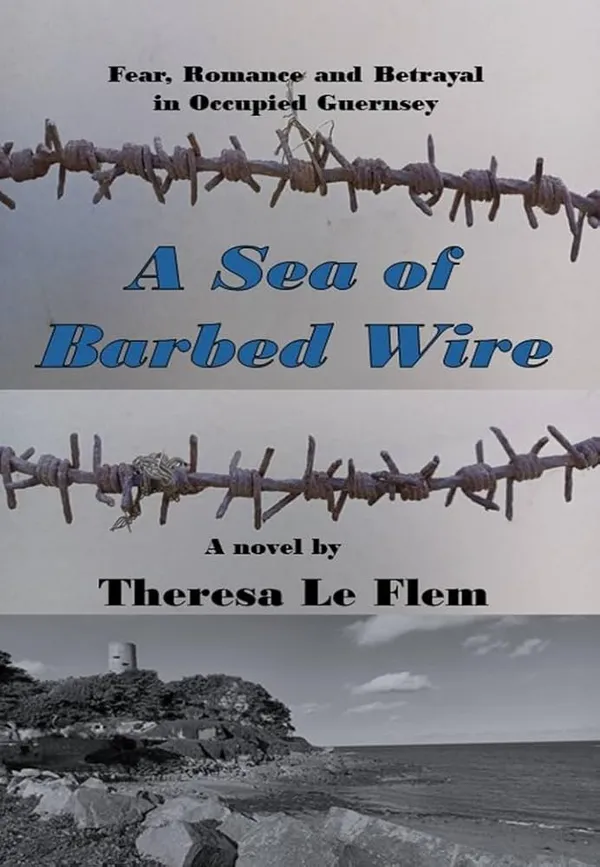
I know that it has been to my great loss that fiction has seldom captured my imagination. Having said that, I admit to having read two novels in the past year and enjoyed them for their accurate reflection of conditions that prevailed in Guernsey during the Occupation and for the degree of tension they maintained, thus keeping the suspense. They were the gripping romantic novels A Sea Of Barbed Wire and its sequel Freedom On The Morning Tide by local author Theresa Le Flem.
Do you have a favourite film or television adaptation of a book?
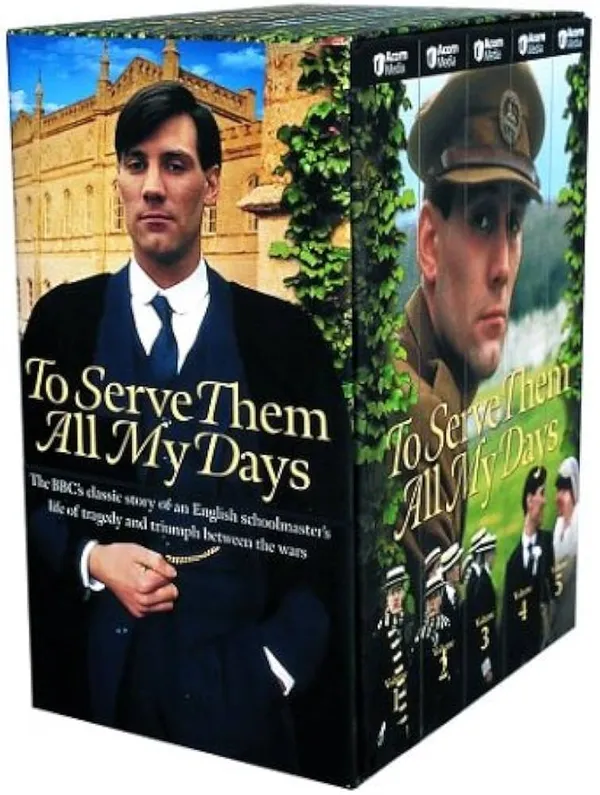
My favourite film or television series adapted from a book would be the novel To Serve Them All My Days by RF Delderfield. My wife and I just couldn’t wait for the next episode to appear on television back in the early 1980s. It really deserves to be shown again. It was about a First World War traumatised soldier who became a teacher in an English boarding school, finding real purpose in mentoring students while navigating class divides.
How do you read?
Normally I prefer to read actual books and the better newspapers when available, and I readily turn to the biographies of those who have a vision of making the world a better place, such as Nelson Mandela, Desmond Tutu, Martin Luther King, and closer to home, former speaker of the House of Commons George Thomas (Lord Tonypandy) and Richard Harries (Lord Harries of Pentregarth, former Bishop of Oxford), and Leslie Griffiths (Barron Griffiths of Bury Port). This interest probably grew with my need to deliver daily school assemblies on social pioneers, worthy role models and lives that highlight Christian values, as well as weekly sermons – first in the UK, then at Elizabeth College and later at St Peter Port School and elsewhere. It required constant research late into many an evening, making notes and memorising the details, so that they were ready for delivery at 9 o’clock the next morning.
Is there a book that changed your outlook?
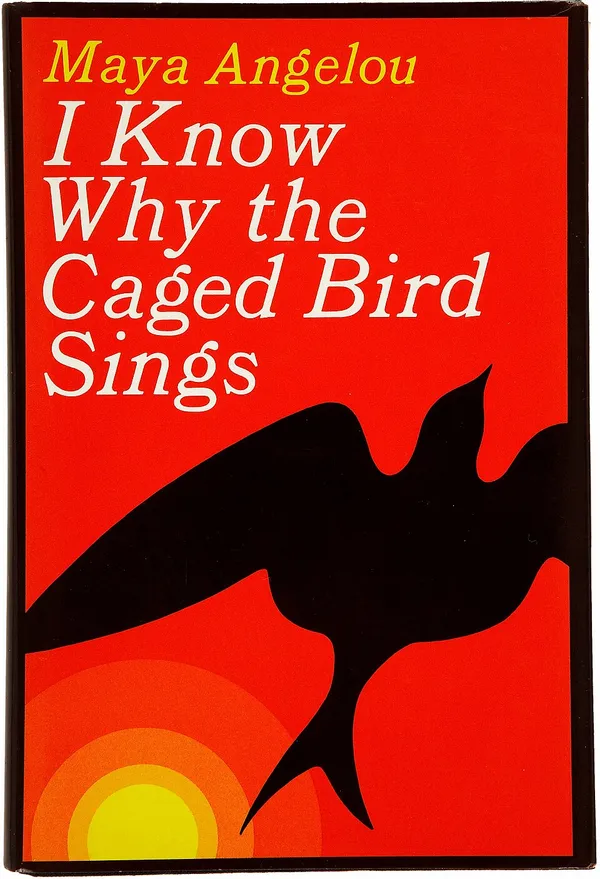
When, as the local chairman of the NSPCC I went to an AGM in London where the wonderful speaker was Maya Angelou. Her story so gripped me that I immediately bought and read, while on holiday, her famous I Know Why the Caged Bird Sings and all the sequels to it. This really brought home to me the dreadful impact that abuse can have on a child. These I would very strongly recommend.
Do you have a favourite classic?
I suppose I would have to say Shakespeare’s Julius Caesar. I studied it for O-level at school and have seen it in several guises on stage and it has grown on me. Once at Stratford all the main characters were portrayed as powerful African politicians that we have heard about, which helped me see the work in a new light.
Can you suggest a book that you think everyone should read?
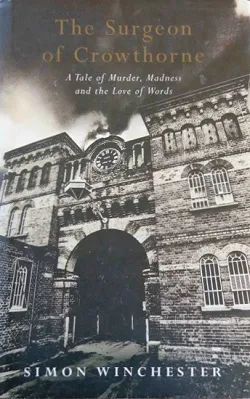
Apart from Maya Angelou’s book mentioned above I would suggest The Surgeon Of Crowthorn by Simon Winchester. It tells the unlikely but true story of how an inmate of Broadmoor Criminal Lunatic Asylum [now known as Broadmoor High-Security Psychiatric Hospital] became the most prolific contributor of submissions for the creation of the Oxford English Dictionary. I just couldn’t put it down and have read it twice.
What are you reading now?
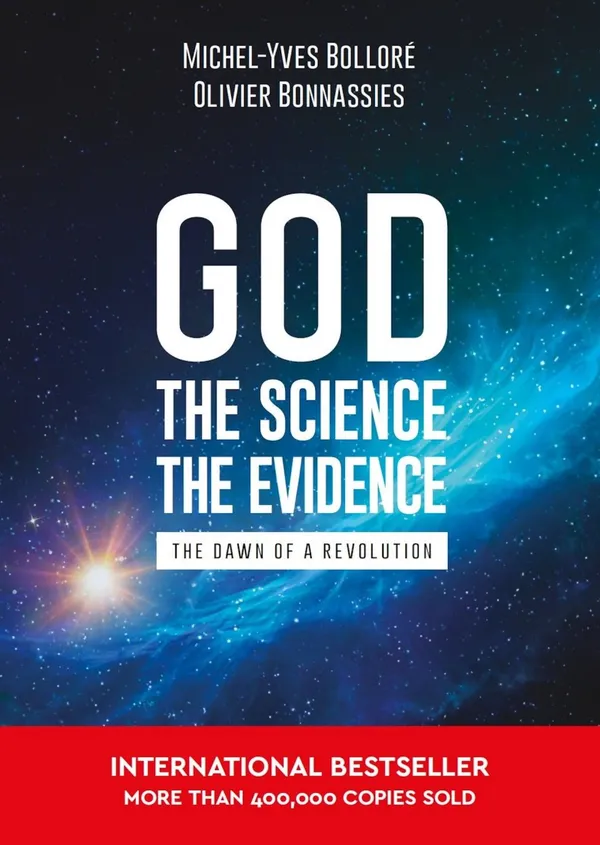
I’m delving into sections of a mighty tome lent to me by a friend, which is really far too deep for me. It is an anthology written by scientists, astronomers, philosophers and biologists called God, The Science, The Evidence by Michel-Yves Bollore and Olivier Bonnassies. It traces how recent ground-breaking discoveries have shown how materialism as the dominant world view has been proved to be very much out of date. Over 100 outstanding contributors, each from their own area of research, have found it increasingly irrational to deny the evidence for a Creator. It is thoroughly researched and provides a compelling exploration of the latest evidence for the existence of God. I wish it had been available when I was leading sixth-form discussions and assemblies at the college.