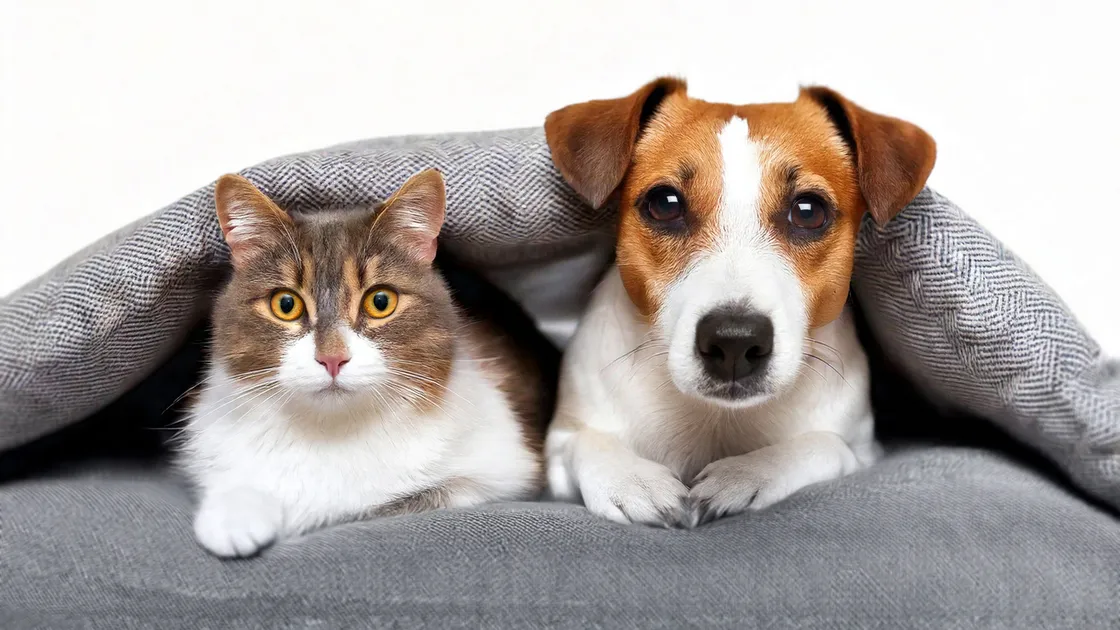
Did you know many dog medicines are poisonous to cats?
It’s not just a size difference thing (though of course that’s a problem in itself) it’s an actual physiological difference. Over the last few weeks, I’ve been talking about the differences between cats and dogs – I hope of interest to those who don’t have pets as well as those who do – and today, I thought I’d touch on drugs, medicines, and metabolism…
You see, it’s quite easy to imagine that a drug that is safe for one species is safe for another – I can’t count the number of times I’ve dealt with ibuprofen poisoning when well-meaning owners try to relieve their pet’s pain. And it’s even easier to imagine that two species that walk on four legs, are furred, and share their homes with us would also be able to share medication.
But cats have completely different physiology to dogs. Their liver lacks the ability to metabolise important drugs, from flea treatments to pain relief. A process called glucuronidation – which transforms drugs into different forms for removing from the body – is poor in the cat. This makes some medicines last a lot longer than they otherwise would (days rather than hours), making overdose easy and even causing toxicity.
Many drugs and their by-products are also cleared out of the body through the kidneys. In dogs, this process is fairly efficient, but in cats the rate can be 50% slower than in dogs. Their skin is thinner, their stomach can empty more slowly, and their gullet (oesophagus) isn’t very effective at moving food (and tablets) down.
So, what does this mean practically? It means that even common drugs like paracetamol or permethrin-based flea treatments are extremely toxic to cats. It means that drugs designed for both species may have very different doses or dosing regimens, and pet owners should take care to follow their vet’s instructions. It means researchers are having to find alternatives to important drugs where they simply don’t work in our feline patients.
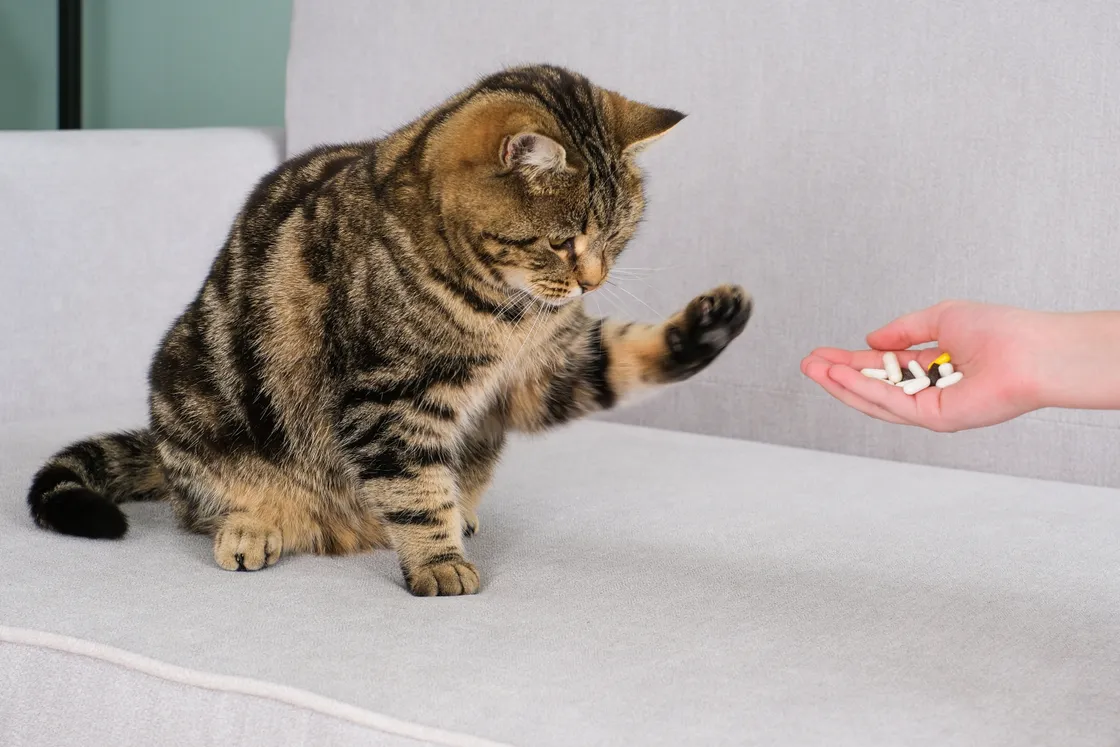
Of course, the other way that cats vary with medicines is in what they’re willing to eat. With an aversion to new foods, many cats won’t take a treat-medicine like a dog might. And with different taste receptors, they don’t like sweeteners. Even pills can be given to many dogs by wrapping in something tasty, while the more discerning cats are likely to turn their nose up. And the inevitable ‘pop it down the throat and have done’ results in aversion and huge difficulty for chronic conditions requiring daily medication.
The good news is that many medicines are now being made and tested specifically for cats. International Cat Care has an ‘easy to give’ award, which is given to innovative products that are designed in a way to make them easier and kinder for cats.
Most of all, as this whole series has attempted to demonstrate, we must stop thinking of cats as small dogs (ones that are more independent and less effort to look after), and start appreciating that they’re a totally different species with a different evolutionary history and different needs – medical, behavioural, and nutritional.