I’ve had a few disturbed nights so, when I asked my husband what to write about today, he said ‘dog beds’. It made me smile. Of course, I’m not actually going to write a list of the best dog beds I’ve ever napped in, but I do feel I need to admit that yes, I’ve definitely slept in some.
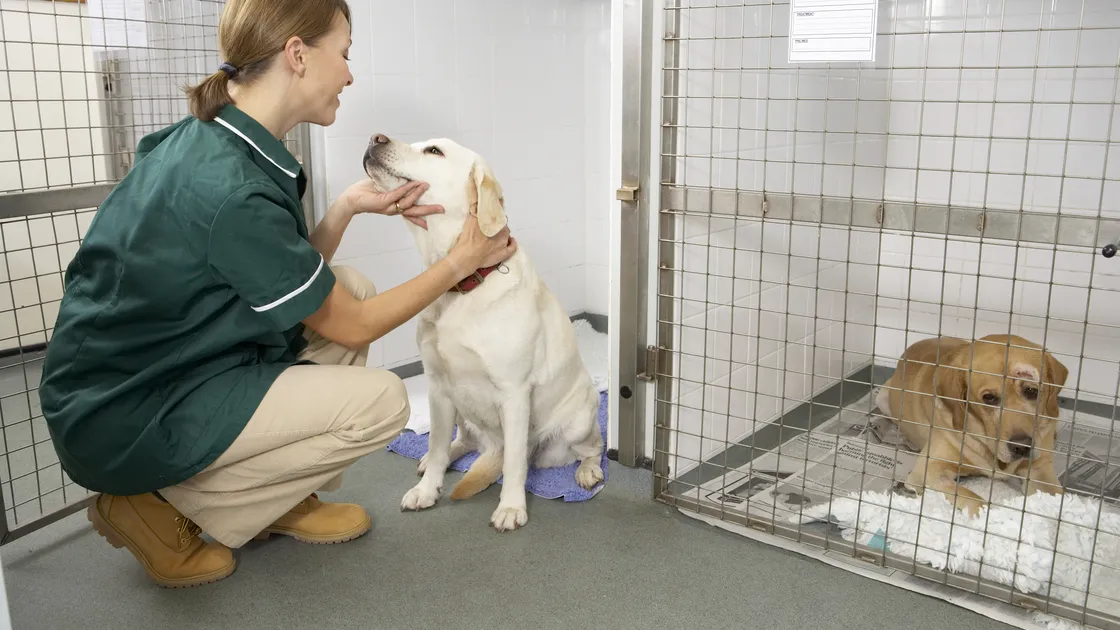
In fact, I remember two particular occasions as a relatively new graduate. Both times I think I had a bad cold, and being on sole charge (the only vet in the practice), I felt I had to go into work (we vets have a bad habit of that actually) but hid myself in the kennels to nap over lunch, and in gaps between clients. The large dog kennels easily fit a small human, and in the branch practice the orthopaedic mattresses were a bonus. Of course, small dog kennels are useful too – I remember one vet putting a car seat, complete with sleeping baby, into one while she practised her ultrasound skills on a CPD day.
Anyway, I promised I wouldn’t write about that. It did get me thinking, though, about what goes on behind closed doors at the vets. Not many people ever go ‘out back’ into the prep room, so I thought I’d try to build you a mental picture for you.
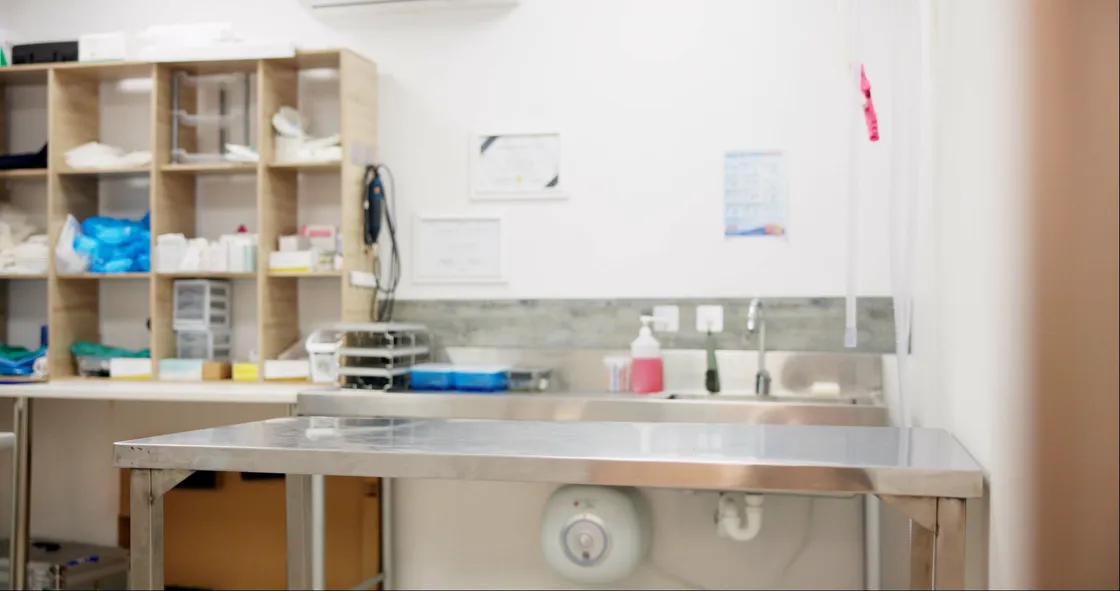
Prep rooms usually have one to three steel tables with rubber tops, a couple of anaesthetic machines (with all the associated tubing) at their heads, and bright lights overhead. You’ll spot several gleaming sinks, an array of machines for running diagnostic tests, more cupboards and drawers than you can count, and a stand of computers and phones for logging results, reading records, and phoning clients. You’ll also often find a few ‘recovery’ kennels, where high-risk patients can be easily seen, although I’ve worked in practices where these are temporary, pop-up things too.
To survive as a vet or a nurse you have to have a pretty dark sense of humour, and finding a way to laugh at the little things is one of the ways we bond as a team, too. Unless there’s an emergency, it’s very rare to look around the prep room and kennels and not find someone laughing at a prank (filling someone’s pockets with pet hair), or at a silly game (the floor is lava), or sharing a funny story from home.
You’ll also commonly find a couple of nurses drawing up (and giving) injectable medicines, filling out paperwork as they do so; a vet frowning at the large whiteboard with the day’s operations planned out; and a nurse-vet team taking blood from a wriggly labrador. Once the operations get under way, the vets are hidden in the surgery suite and the dental suite, maybe looking at x-rays in the imaging suite – but nurses carry on busying around, testing blood, phoning owners, feeding pets, mopping spills, fetching medicines, taking x-rays, doing minor operations, and more.
It’s a busy day, but a rewarding one. And I miss it.