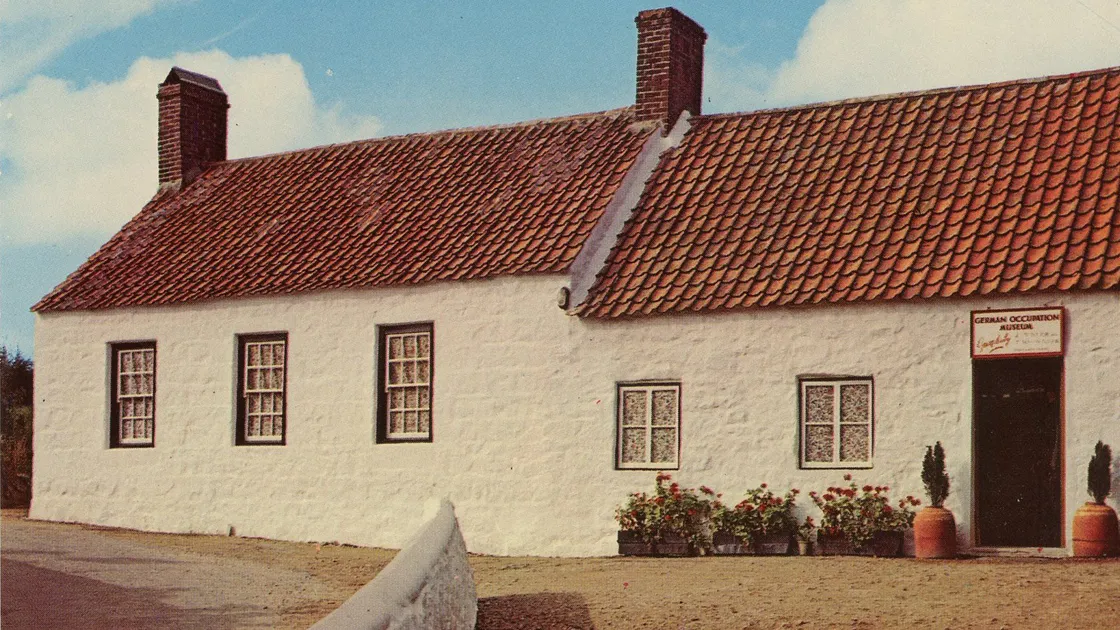
Richard was born in Guernsey during the Occupation to Fred and Doris Heaume, whose Forest home stood opposite the cottage that is now the Occupation Museum.
The museum itself began to take shape early on in Richard’s life. As a schoolboy, he would go out into the fields after they had been ploughed, collecting empty shells and spent bullets from the turned soil.
‘In the mid-fifties when I started collecting with my neighbour, John Robinson, everyone wanted to forget the Occupation and the scrap men were still busy after 10 years cutting up scrap metal,’ he said.
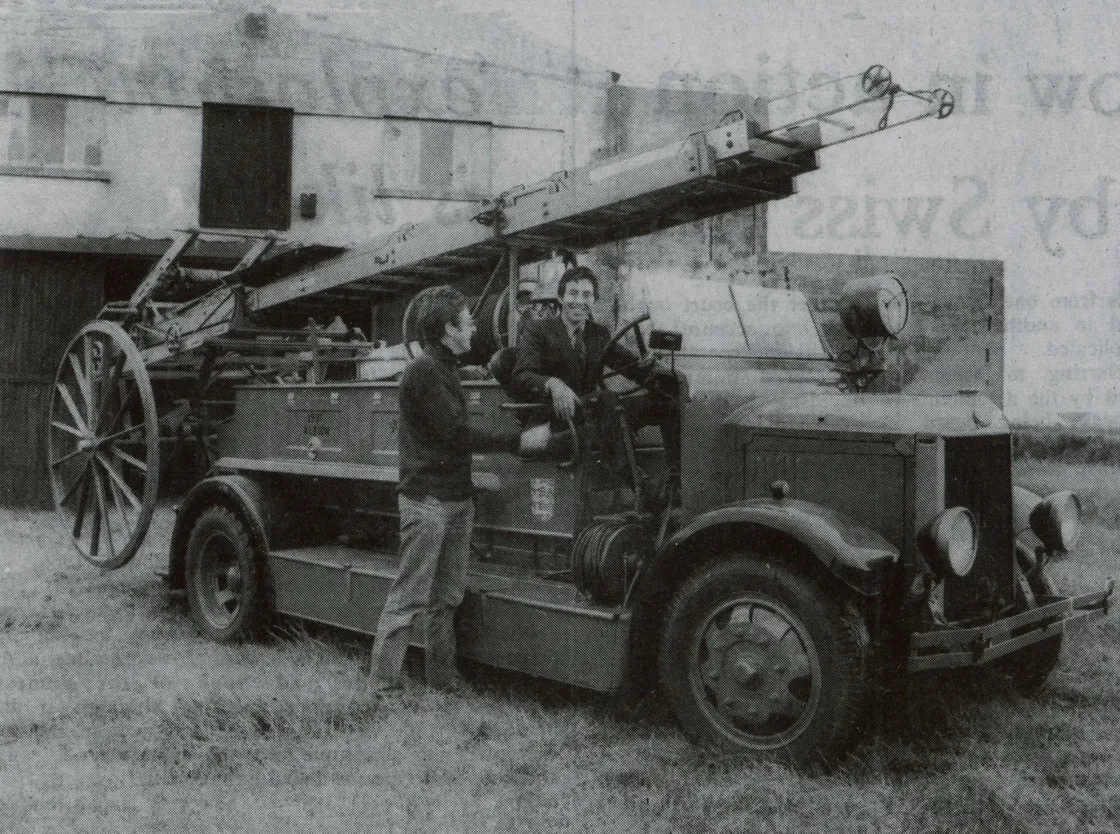
‘At our farm in Les Houards, Forest, the Germans had constructed a firing range for the Luftwaffe planes to test their cannons and machine guns, and these bullets I collected in the sand pits. These were my first finds as a child.’
Around this time, Richard and John attended Elizabeth College, where they formed a German Occupation Research Department with other interested peers. One of the group’s earliest members was Phil Martin, who is now the president of the department – contemporarily renamed to the Channel Islands Occupation Society. As well as being a Friday afternoon school club, the group would meet in the attic of the Heaumes’ home where they would display their finds from their excursions.
‘My parents were very supportive, although they didn’t know I regularly left the house at 11pm and cycled to the German tunnels under St Saviour’s Church, returning sometimes at 2am,’ said Mr Heaume.
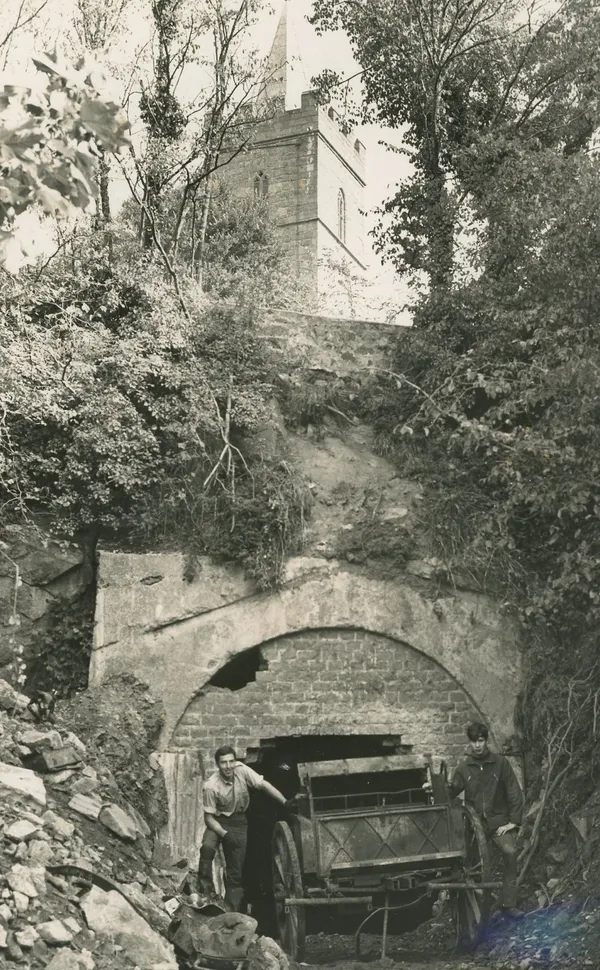
‘On one daylight operation in 1960, the tunnel was being sealed up while I was inside.’
Despite his close scrape in the tunnel and the research department facing threats of expulsion from Elizabeth College, both he and his fellow collectors were not deterred from their activities, and continued to run a brisk trade of German military items at the school bike sheds.
After leaving the College, Richard left the island for the UK, studying at the Dorset College of Agriculture. Even while away, though, his passion for collecting Occupation memorabilia was by no means diminished, and he would continue his collecting during his holidays as well as enlisting his parents to assist him in his absence.
‘My mother had, in the meantime, been busy on my behalf,’ he said.
‘And my father helped me with the salvage using our farm vehicles.’
On one particular salvaging enterprise with his father and Phil, they had set out to move a tank turret at Les Nicolles, Forest, only for the turret to roll back over a bank and nearly crush Phil. That same turret now sits outside the museum’s entrance.
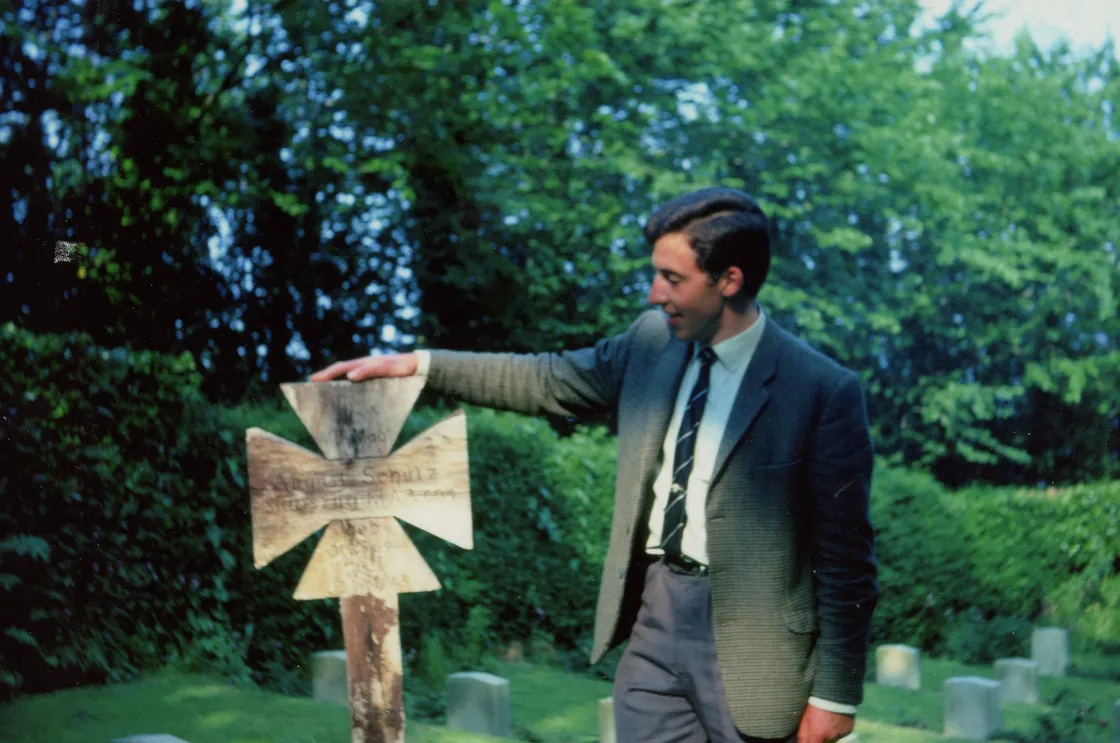
The museum itself officially came into being in 1965, when the significant collection Richard had compiled was rehomed in the cottages opposite his parents’ property, which were then vacant. The following year, on 1 May 1966, it was opened to the public for the first time.
In that initial year, 80,000 people visited the museum – more than five times the number that it now typically sees over the course of a year – and Richard was determined to continue developing and expanding it.
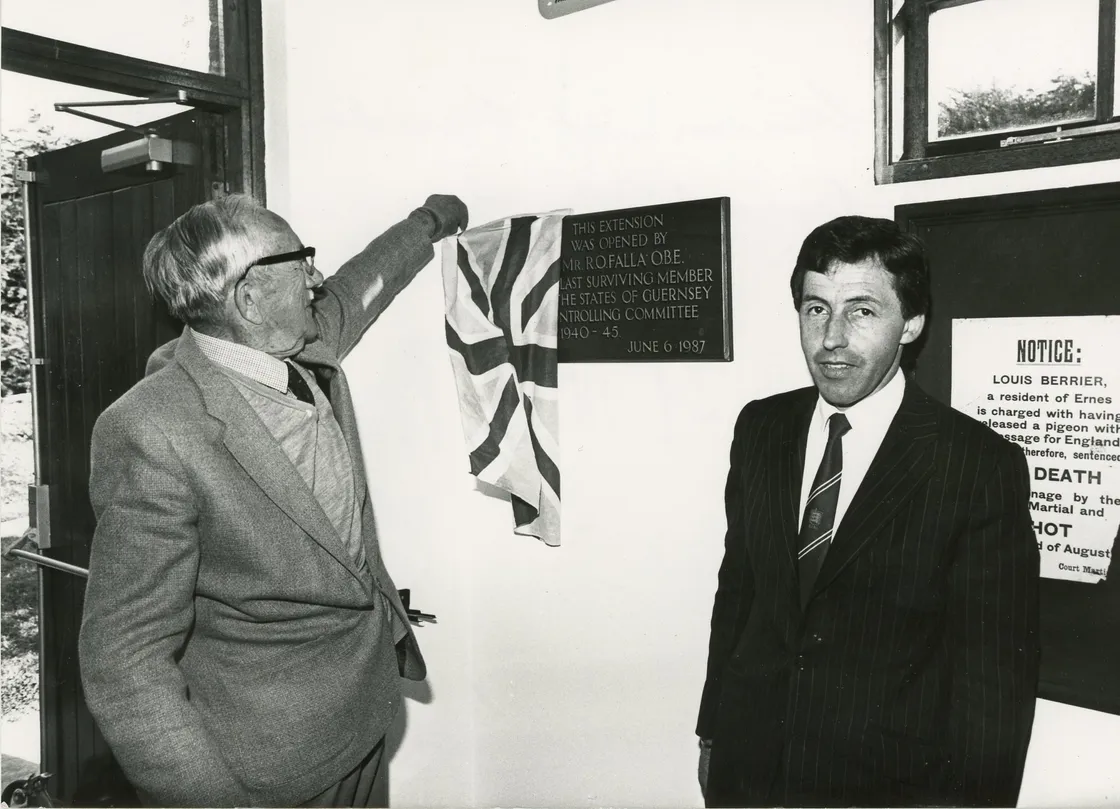
‘A tearoom was added in 1976, and in 1987 a large extension included an Occupation street,’ he said.
‘This was opened by Raymond Falla OBE, who was then the last surviving member of the States of Guernsey Controlling Committee 1940-45.’
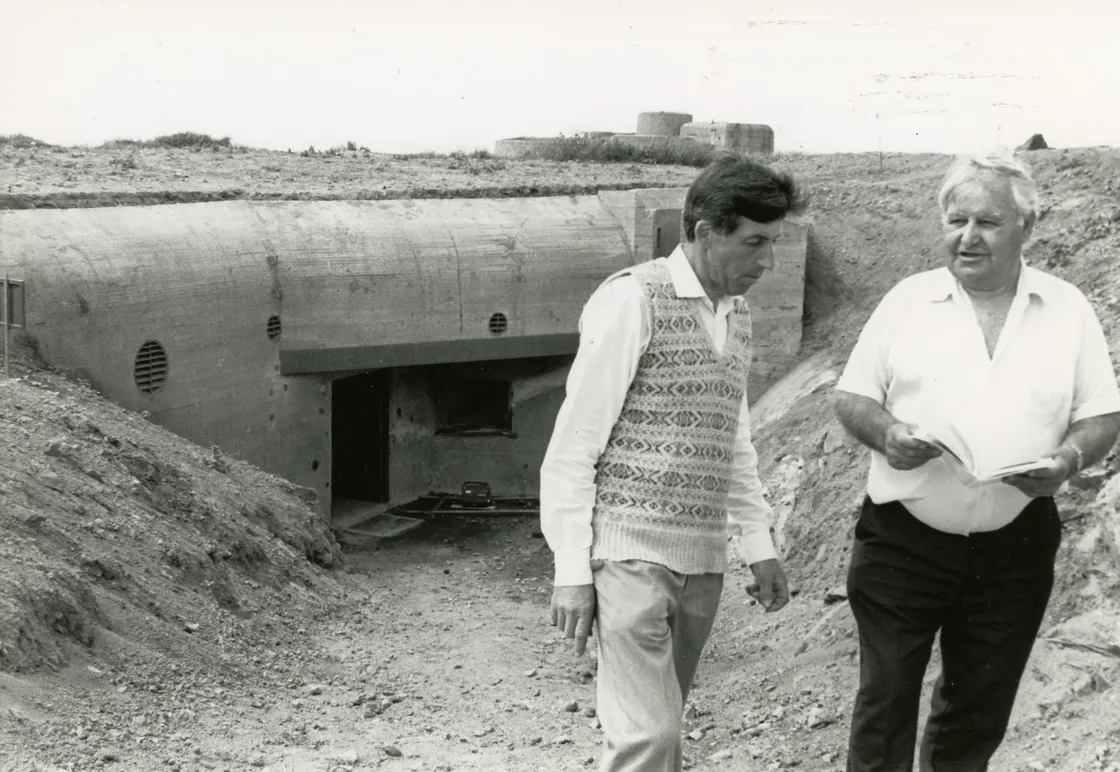
In later years, Richard has also helped to bring about the restoration and maintenance of some of the island’s relics of the Second World War, including the Fort Hommet coastal gun casement and Pleinmont Naval Observation Tower.
Now, 70 years on from beginning his life-long quest to collect and preserve the island’s Occupation history, Richard is looking ahead to passing on the reins.
‘What of the future?’ he said.
‘I may not be around another 60 years. So, the intention is that a foundation will be set up – hopefully including the Channel Islands Occupation Society – to continue the useful purpose of the museum – that is, to tell the story of this part of our island history for generations to come.’