

Both president Steve Williams and vice-president Sasha Kazantseva-Miller said they were under no illusions that the committee’s performance over the course of the current political term will be judged almost solely on the delivery of new homes.
But both are confident they will be able to transform the foundational and theoretical work of the Guernsey Housing Plan into tangible results.
‘We’re not here to look at the theory, we are here to provide something that people can live in and start tackling the waiting lists,’ Deputy Williams said.
In the five weeks since the committee was formed, Deputy Williams said members had been getting up to speed by working their way through reports from the last political term.
‘We want to, as soon as we can, try to get on top of the history so that we can influence the future, and guide it ourselves.’
Of the 28 work streams in the Guernsey Housing Plan, he said those which were most essential in terms of delivering new homes would be prioritised.
These included going through existing sites which had been allocated for housing, finding out any reasons for a hold-up in progress of delivery, and seeing what the States could do to unlock them.
‘Civil servants have been involved in looking and talking to developers over the last few months so we’re getting a full update on that this week, then we’ll have a clearer idea about what we might be able to get involved in.’
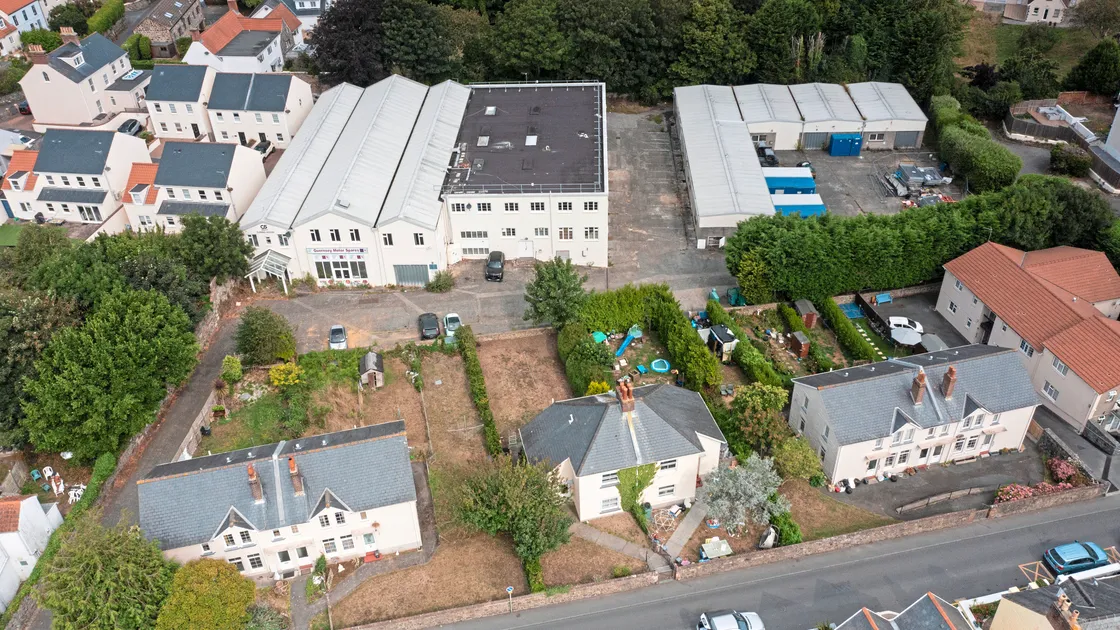
He was optimistic about a number of projects already in the pipeline, including the development at the former CI Tyres site in La Charroterie, plans to build more than 100 units at the Mallard Complex, and the proposals for Parc Le Lacheur on the former Kenilworth Vinery site.
Regarding his committee’s relationship with the Guernsey Housing Association, of which he is a former chief executive, Deputy Williams said the intention was to sit down with the GHA soon.
He said his committee also wanted to promote private housing, and wanted to know what was holding developers up.
Meetings have been arranged with construction industry figures, as well as the Chamber of Commerce, which he said had concerns about the impact of the housing crisis on jobs and the economy.
In terms of bringing house prices down, Deputy Kazantseva-Miller said, while the committee hoped to put more housing into the market, care needed to be taken not to flood the market and cause negative equity.
‘If we can hold prices down while ensuring there is a supply of housing coming up, we are also hoping that wages and incomes of households increase at the same time, so hopefully those ratios will start becoming more manageable,’ she said.
‘We’re keen to ensure that we’re building quality homes but in an affordable way’.
She thought it ‘critical’ that a review of the Island Development Plan was progressed as soon as possible, in order to release and allocate new sites to developers.
‘There are housing allocation sites within the north, but we’ve had that because of the land use policy.
‘A lot of the development has been concentrated in St Peter Port, so I think we’ve got to work with the constraints of the spatial policy.
‘I think it’s very important that we’ve got supporting infrastructure, public amenity and traffic improvements whenever we’re doing development.’
Asked what a successful first 12 months in the job would look like, Deputy Williams said provision of just a few new homes would help to free up the market and enable progress to be made.
‘It’s about how we take some of the heat out of the market without putting draconian controls in,’ he said. ‘There’s a pressing need across the board, and ultimately it is all about delivery.’



You need to be logged in to comment.