

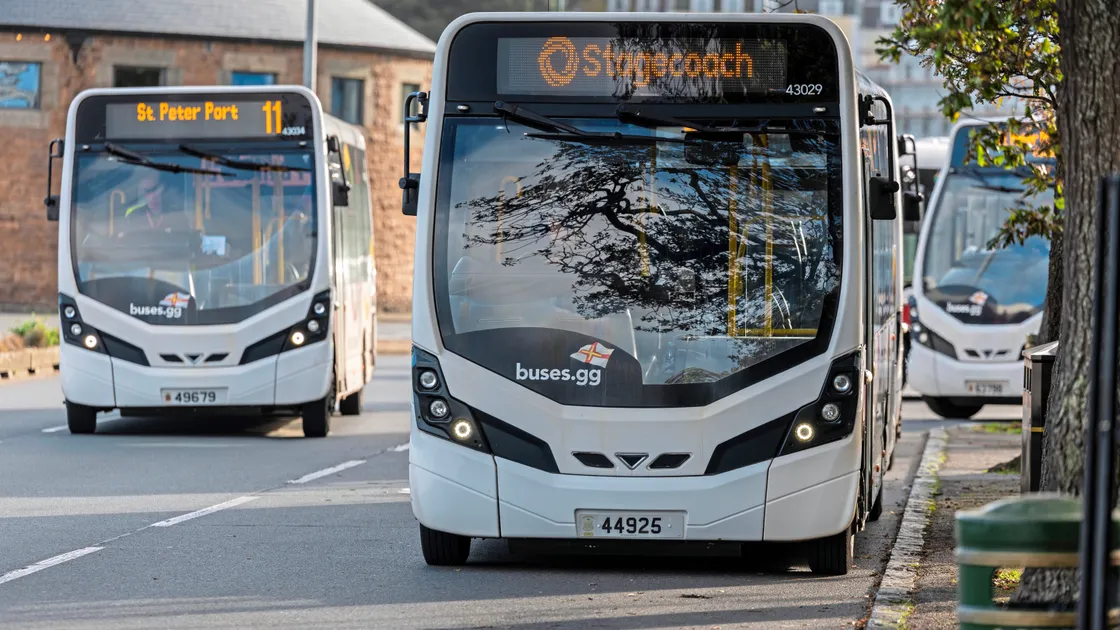
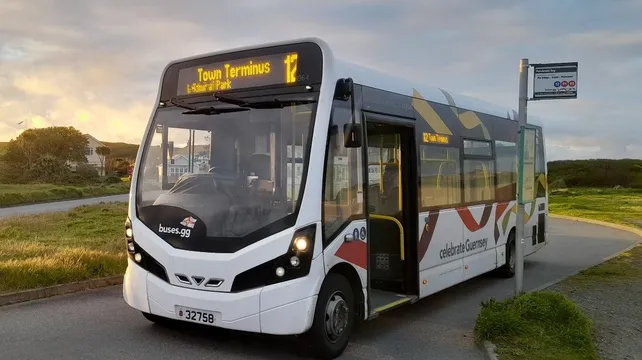
Peter Knight said he was ‘absolutely delighted’ with how things had gone since Stagecoach took over the States contract from CT Plus as operator in the spring. He now had plans for route and timetable improvements next year.
‘We’ve had some really pleasing progress, particularly with the cleanliness of the fleet and getting to know how the network operates with all the routes,’ he said.
Stagecoach buses have covered more than 768,000 miles since the company came on to the island’s roads on 1 April.
More than 1.25m. journeys have been made on the buses up to and including August this year, slightly up from the 1.23m. made at the same point last year.
Mr Knight said any increase in passenger numbers was ‘very welcome’, particularly for reducing car usage and congestion, with Stagecoach able to cope with the growth within its existing network and level of service.
He said any increase in passenger numbers meant a reduction in the subsidy required from the States.
Structured weekly, monthly and quarterly meetings were in place between senior figures from Stagecoach and States representatives, he said, and ‘really positive’ relationships had been formed.
‘We’ve got a local management team on the island as well, to keep things going on a day-to-day basis if required.’
Stagecoach currently has a local roster of 50 drivers, up from 40 at the start of the contract.
Mr Knight said there had been no difficulties with recruitment, retention or resilience, in part due to Stagecoach’s brand recognition.
‘It’s a little bit easier to potentially attract people off the back of the Stagecoach name, which is well-known in the UK,’ he said.
Currently, the fleet of 40 buses is entirely diesel, but there were plans to introduce two electric vehicles over the next six months, with work being done with the States to facilitate the move.
‘We’ve introduced a lot of electric vehicles in the UK, and 25% of the fleet in Stagecoach South West will be converting to EVs in the next six months,’ Mr Knight said.
‘We’ve got a lot of experience in this space, and obviously we’ll be imparting that with the States to help them in that de-carbonisation journey.’
As for what the company was doing in order to ensure continued reliability into the future, Mr Knight said the company was looking at service punctuality, with particular regard to roadworks and diversions.
The work could lead to changes being implemented next year around the start of the summer season. But the nature of any changes was still unclear at this stage.
‘At the moment it’s all subject to discussion and engagement with stakeholders, but we’re trying to bring some beneficial ideas to the table to improve things,’ Mr Knight said.
‘We made some changes with the 91 and 92 to go into the ferry terminal, so it’s about smart and innovative changes that benefit people and make journeys simpler and easier.’
Looking ahead to the next six months, he was anticipating a continued growth in passenger numbers ahead of another busy summer season next year, when the new timetables would be in operation.
‘We’re an operator that welcomes everybody to use our service, whether that be islanders or tourists.
‘We’ll continue to do our best by delivering a reliable, robust, safe service that has gone before in the last six or seven months.’
Operator a ‘breath of fresh air’
Stagecoach has been a ‘breath of fresh air’ since taking up Guernsey’s bus contract, according to the co-ordinator of the island’s Bus Users Group.
Fergus Dunlop said the service being provided had been punctual – despite the amount of roadworks being contended with – and clean, with good customer experiences reported.
He was particularly keen to praise the operator’s willingness to communicate with the user group and the States.
‘It’s been a new dawn for bus services in Guernsey in many ways,’ he said.
‘They have been very helpful, which has been a pleasant surprise.’
He said driver recruitment had been successful, with drivers coming to work in the island from the UK for nine-month periods.
‘Over time we will build a community of Stagecoach drivers who know how to drive on our roads, which will mean not as many requiring training.’
Challenges coming up included what Mr Dunlop said would likely be an inflation-linked fare increase at the start of next year, the continued operation of services around road closures, and the implementation of possible changes to routes and timetables.
‘They’re very professional and make the most of the resources they have, so I have no reason to doubt whatever recommendations they make will be beneficial to bus users,’ Mr Dunlop said.
‘I would hope they continue one-ticket journeys, that’s almost sacrosanct in my view.
‘I would also like to see buses go out and come back on the same line.’


You need to be logged in to comment.