

The project to continue connecting properties, which has been paused in recent years, was left out of a plan announced yesterday to invest about £130m. in water and wastewater infrastructure over the next 12 years.
About 85% of properties are already on main drain, but approximately 4,500 households are still using cesspits, with just over 40 tankers collecting some 165,000 loads a year at a cost of £4.5m.
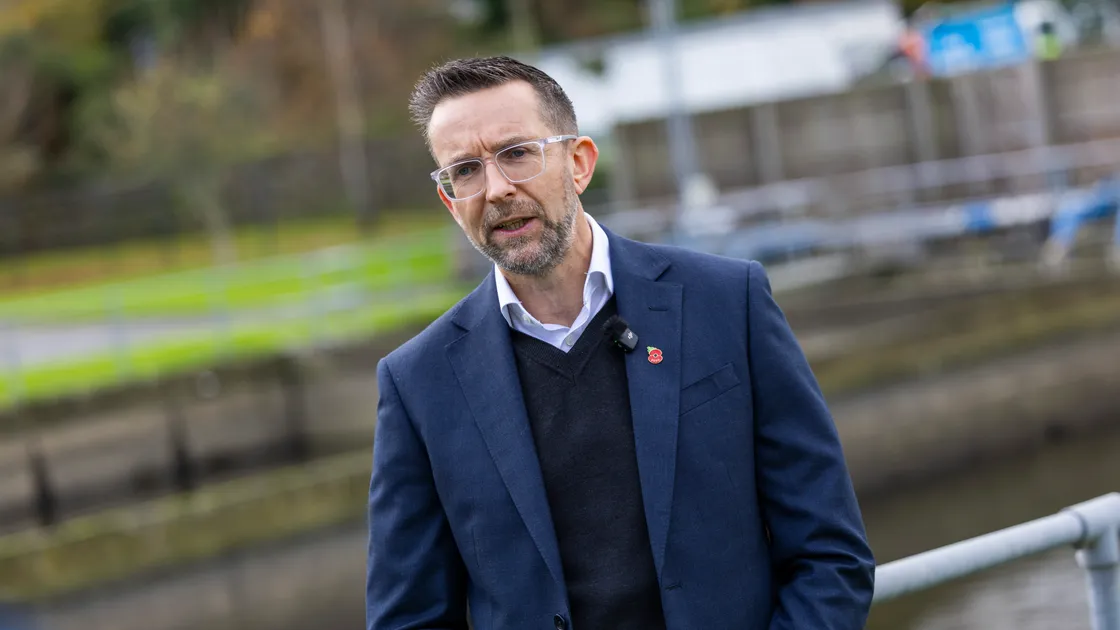
‘The reason further extension is not included in this plan is because of the additional cost burden it would place on our customers,’ said Guernsey Water managing director Steve Langlois.
At one time the States had a target of connecting 95% of properties to the main drain, but that has been cut to 90%.
‘To get to 95% of properties connected would cost potentially hundreds of millions of pounds and take many decades to complete,’ said Mr Langlois.
‘When the States reduced the target to 90%, it also said that investment should be prioritised against all other water and wastewater requirements. Currently, it is a higher priority to prepare for the effects of population growth and climate change and make sure we continue to provide high standards to all customers.’
Property owners with cesspits face higher charges, although two-thirds of their collection costs will continue to be shared between all wastewater customers, who also pay to maintain 300km of drains, 58 pumping stations and the main treatment and disposal centre at Belle Greve.
Mr Langlois said that resuming ‘a meaningful programme’ to connect more properties to the main drain would cost at least £2m. a year, and that would require putting up water and wastewater bills by a further 10%, on top of similar increases which customers faced last year, this year and again next year.
Guernsey Water is making efficiency savings – a target of £355,000 has been included in its 2026 budget – but overall its costs have gone up, and it is those price rises which have most helped the States-owned utility to return to surplus following several years of financial difficulty. Unless hit by unforeseeable events, it does not expect prices to have to rise so far ahead of inflation in future years. It also pointed to prices going up by higher percentages in Jersey and England.
‘Since the pandemic we have had cost challenges, like all businesses and customers who have been facing a cost-of-living crisis, and things like constraints on supply chains and geopolitical tensions have put pressure on us,’ Mr Langlois said.
‘There were a number of years in which we made a loss. Last year we broke even. This year we’re forecasting a surplus of about £500,000. That surplus needs to grow to be able to fund the investment that is in our plan.’
That 2025-37 plan will at least double annual investment in the island’s water and wastewater facilities and equipment, from £4-5m. eventually to more than £10m. Mr Langlois said it was an ambitious plan which would ‘challenge’ Guernsey Water and its suppliers.
More than half the total investment of £130m. will be spent maintaining and upgrading existing collection and treatment systems, water mains, storage tanks, pipes and pumping stations. Upgrading the utility’s three water treatment works will cost another £20m.
It has justified higher spending on the need for ageing infrastructure to supply a steadily increasing population at a time when rainfall is in decline, and water quality standards which have been improving are expected to go up further.
‘If we fall behind, we start to get breakdowns, and it would cause problems like customers having to boil their water before they can use it. A water quality issue, water mains burst, a severe drought interrupting water supplies, sewer flooding and pollution – these are the problems that would start to occur more frequently. We will never eliminate them completely because doing so would cost too much and the cost burden for customers would be too high.
‘It’s not just about renewal of infrastructure, but also about meeting new drinking water standards, planning for growth and resilience to climate change.
‘We have done better than water quality standards, but the regulator is now indicating that we should be continually reducing the risk because in the future they’re anticipating that those standards will change again. Between now and 2035, there’s a lot of investment planned in meeting tighter standards that are coming down the tracks.’
As water quality standards have risen, more of the island’s streams cannot meet them, gradually reducing the size of Guernsey’s water catchment area. Part of the investment plan includes bringing those streams back into use.
Meanwhile, £20m. has been allocated to convert Les Vardes Quarry into by far the island’s largest reservoir. When that scheme was agreed earlier this year, opposition was led by Deputy Mark Helyar, who now leads the States Trading Supervisory Board, the States committee which oversees Guernsey Water, but there has been no indication the decision will be revisited.
‘Les Vardes is a really important part of the 12-year plan. It was in the budget which the STSB approved. And the STSB budget has now been approved by the States,’ said Mr Langlois.
He described £20m. as ‘an early view of what we think it might cost, at today’s prices, based on desktop analysis’. Increasing prices now, years before conversion work starts at Les Vardes, is meant to prevent a sudden need for more drastic rises in the 2030s, although Mr Langlois admitted that there was as much chance of the £20m. figure going up as coming down.
As well as increasing storage and consequently supply of water, the utility also wants to limit demand. This relies partly on installing water meters at the one-third of households which currently do not have one. Installing a meter, which is carried out free of charge, typically saves customers between 12% and 15% on their bills. The plan is for every domestic property to be metered by 2037, providing all customers with control over their usage and the island with a better chance of surviving drought without draconian water restrictions.
Guernsey Water’s new, ambitious investment plan has been announced only a few months after the States Assembly agreed in principle that the utility should be turned into an incorporated business, a decade and a half after water and wastewater services were amalgamated, but commercialisation was rejected following an auditor’s report recommending it would not be worthwhile.
Deputy Helyar backed the latest commercialisation proposal despite some of his closest political colleagues opposing it, ahead of further investigations into the arguments for and against commercialisation.
‘The work towards incorporation is under way,’ said Mr Langlois. ‘One of the really important things is to ensure that Guernsey Water is commercially sustainable before we go into incorporation. That means having secure finances and charging an appropriate amount for the services we provide, but it also requires a credible investment plan.
‘We need this investment plan whether or not Guernsey Water incorporates, but it is part of being commercially sustainable for the future. Incorporation presents some real opportunities. Guernsey Electricity is having to scale up their investment in infrastructure, which requires them to be reasonably agile, and as an incorporated entity they’re better able to do that. They’ve got a bit more flexibility and they’re able to access different forms of funding.’
Mr Langlois said preparations remained on track for the utility to incorporate by the end of 2027.

You need to be logged in to comment.