

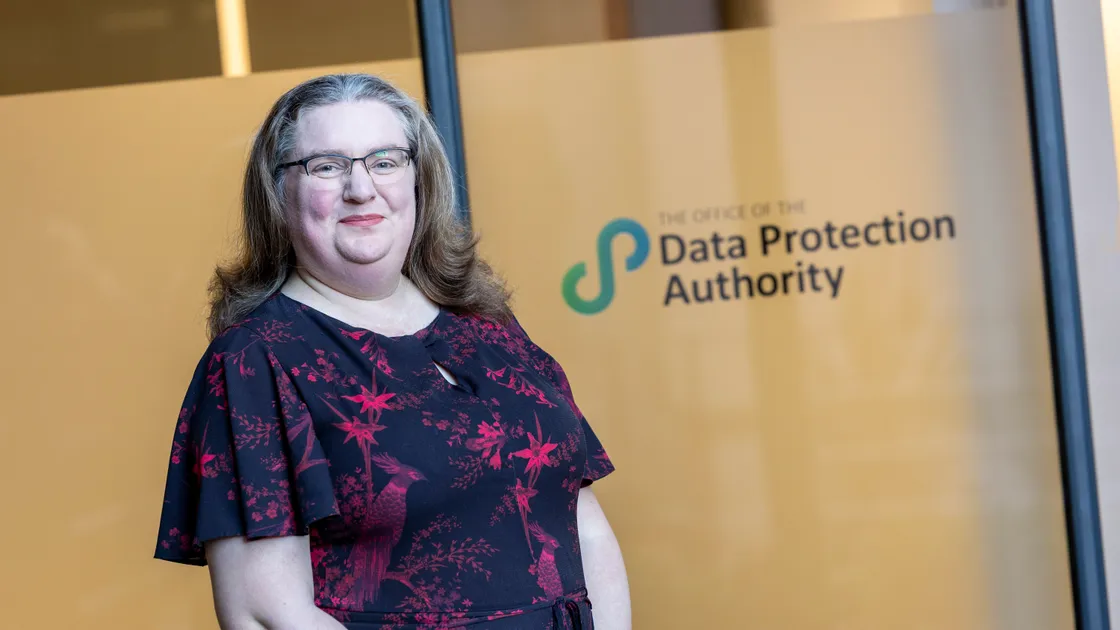
The Office of the Data Protection Authority released its new strategic plan for the next three years this week, on Data Protection Day.
It said it wanted to promote proactive compliance and move away from being seen as a burden on organisations.
It also said that the management of breach risks, one of its more high-profile roles, can have a disproportionate impact in small communities, and needed to continue to be upheld, while the ODPA would also look to support technological innovation such as secure AI, while preserving privacy and dignity of individuals.
‘We have to have a look at how that’s impacting other jurisdictions as well as ourselves, and think about tactics that have worked and things that maybe haven’t worked,’ said deputy data protection commissioner Rachel Masterton.
‘Some of the challenges in the plan are global ones that are affecting other jurisdictions as well, so we’re also thinking about how we can work with other jurisdictions to fight some of those problems and help deal with the issues that are arising.
‘Other issues are more jurisdictional-specific. One of the problems we have as a small jurisdiction is that if there’s a data breach and somebody’s information is sent to the wrong person, then invariably it’ll be somebody that they know.’
Technological advances were one of the most concerning challenges the regulator faced, she added.
‘Not because of the innovation itself, but because there’s a prevailing thought that data protection legislation is something that stops innovation and stops people doing new things with new technologies,’ said Mrs Masterton.
‘Think about data protection as something that can help you do that in a safe way and to keep your customers trusting in what you’re doing, rather than maybe moving fast and breaking things, and then having to apologise afterwards because you haven’t thought about the person at the heart of the developments you’re doing, the person whose information you’re using in order to increase your sales, or follow a new business line or do something different.’
With developments in technology Mrs Masterton said that she thought data protection was becoming a more prominent issue for people.
‘We’ve very much been an information-based generation for a long time now, but I think now it’s the ability to access different information, to put together different categories of information from different places and the things that technology can do for good, and sadly for less good purposes sometimes, means that yes, people are thinking about data protection more than ever,’ she said.
‘I think individuals are more aware of how their data might be used and how they might not want their data to be used.’
Issues with AI-generated images, or images doctored without consent, have been dominating headlines locally and nationally. Mrs Masterton said that images are considered personal data and that people need to be careful about what they post online.
‘Images are personal data and when they’re being used by an organisation in any way, they should be being used in accordance with data protection legislation. We would say that even if you’re posting on social media, you need to be careful how you’re using what may be somebody else’s information and what information about yourself you’re posting, because you’re not necessarily just keeping it within a small group of people, it may be going wider, and be used in ways you weren’t expecting,’ she said.



You need to be logged in to comment.