

With the number of image-based offences rising, organisations such as the charity and the police are having to learn ways to best help victims of image-based crimes.
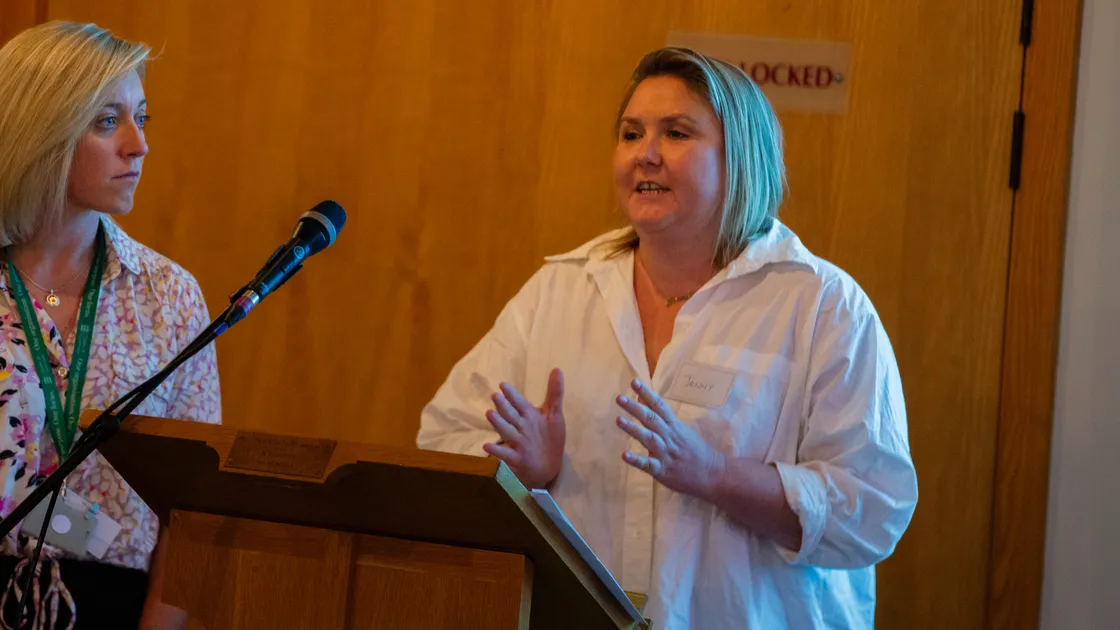
‘People can take it in different ways, but it’s still the same outcomes. It’s really about loss of control and not knowing what’s out there. People’s trust has been completely eroded and it can really affect people a lot,’ said Victim Support manager Jenny Murphy.
‘For us, we’re having to learn about the different types of crimes coming out, it’s moving so fast and we need to keep on top of it.
‘I know the police have worked really hard on educating themselves, but it’s even things like not knowing where these images are and how they can be taken down. There’s lots for us to learn to be able to help and support people.’
Victim Support offers help dependent on individual needs, providing both emotional and practical support.
Emotional support could be talking through a person’s thoughts and reactions to something that has happened, but they can also help by liaising with the police to keep victims updated on their case.
Explaining the criminal justice system is a big part of the work, although the service offers support regardless of whether a person has reported a crime to police.
‘The criminal justice process is quite overwhelming for a lot of people, and if you haven’t been a victim of a crime or had anything to do with court before, you wouldn’t necessarily know what all the different procedures are,’ said Mrs Murphy.
‘It’s explaining how the police process works, how the court system works, who all the different people are, and the timescales as well, to try and manage people’s expectations. It can often be a long and drawn-out process.’
The team at Victim Support can refer people to receive extra mental health support.
‘You can never really tell how people are going to be affected by a crime, or whether it might trigger something that had happened to them previously,’ said Mrs Murphy.
‘It’s really hard sometimes to tell how something is going to affect someone. Sometimes people feel a lot of shame and embarrassment around these types of crimes, or don’t know where to turn. It’s important to reach out and ask for help.’
The Victim Support offices are based at the Royal Court building. The confidential service receives referrals from the police, but people are also able to self-refer. Everything is free to access and can be accessed by victims for any type of crime. For more information, visit www.victimsupport.gg.





You need to be logged in to comment.