

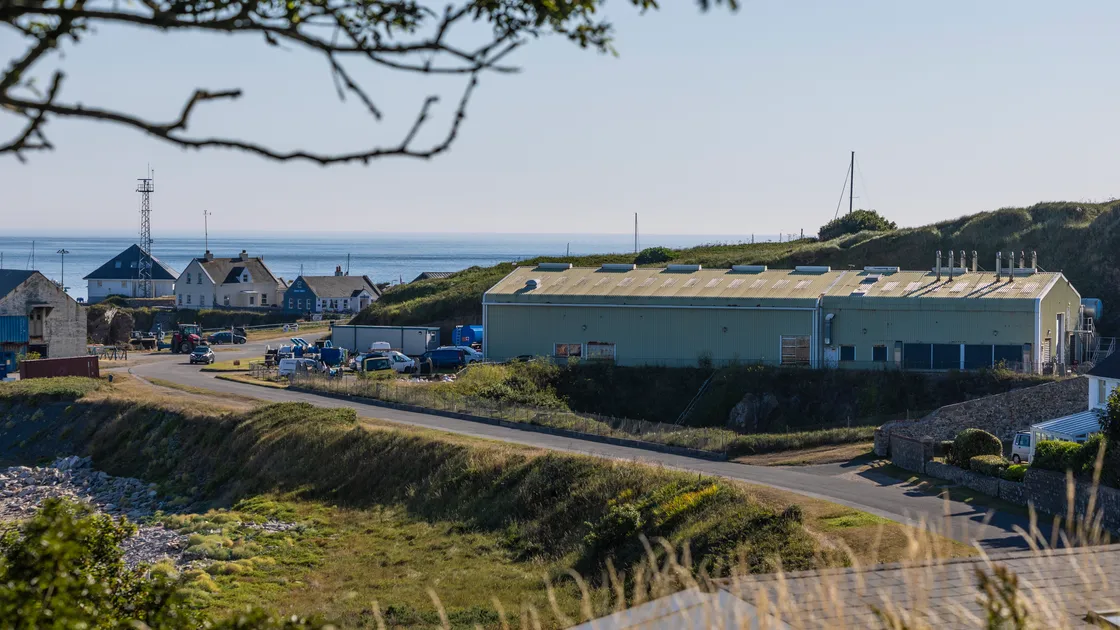
Alderney’s energy system is particularly exposed to global fuel markets because the island does not currently have an electricity interconnector and relies almost entirely on diesel-generated electricity. Changes in international oil prices directly affect the cost of generating electricity on the island.
Since January, with the escalation of conflict in the Middle East, the wholesale price paid for diesel has increased by nearly 50%.
The island’s electricity company has agreed a 6.4% above inflation tariff adjustment, which will take effect from 1 April. It said that the decision had been taken in February and it held prices for as long as it could, and had deliberately waited until April, but the price adjustments are necessary to ensure a safe, reliable and sustainable electricity network. The increase also aims to enable it to progress faster with the integration of renewable energy.
‘For many years AEL deliberately held electricity prices below inflation to help protect households and businesses from wider economic pressures,’ said managing director Chris MacGregor.
‘That approach helped the community through difficult periods, including Covid and the global energy shock following the invasion of Ukraine, but it has also created a growing gap between the cost of running Alderney’s energy systems and the revenue needed to sustain them.’
With inflation at 3.4%, this equals a 9.8% increase on margins, held deliberately below 10%.
‘But if we had increased prices to accurately reflect inflation, customers would be paying between 11-18% more than they are now,’ said Mr MacGregor.
‘Even with April’s increase, the typical electricity unit price will be lower than this.’
He said that a typical household would now be paying about £20 a quarter more, or about £1.50 a week.
‘Long term sustainability means aligning our prices with real costs,’ said Mr MacGregor.
‘Continuing to offset prices today only defers and amplifies the problem tomorrow.’
The latest fuel shipment ensures that Alderney’s immediate fuel supply remains secure, although higher wholesale prices will now begin to be reflected in retail fuel prices.
‘Any upward movement in energy prices is unwelcome and will affect all our community,’ said Mr MacGregor.
‘Small islands like ours cannot control global energy markets, but we can decide how prepared we are for them.’
A solar panel array is to be installed at the AEL offices and power station this year, as one of the company’s planned transition projects.
‘Ambition and support from the States of Alderney can help open a future where energy in Alderney is more affordable, clean, local and secure – so our community is both protected from global uncertainty and rewarded for sustainable and rewarded for sustainable electricity generation.’




You need to be logged in to comment.