

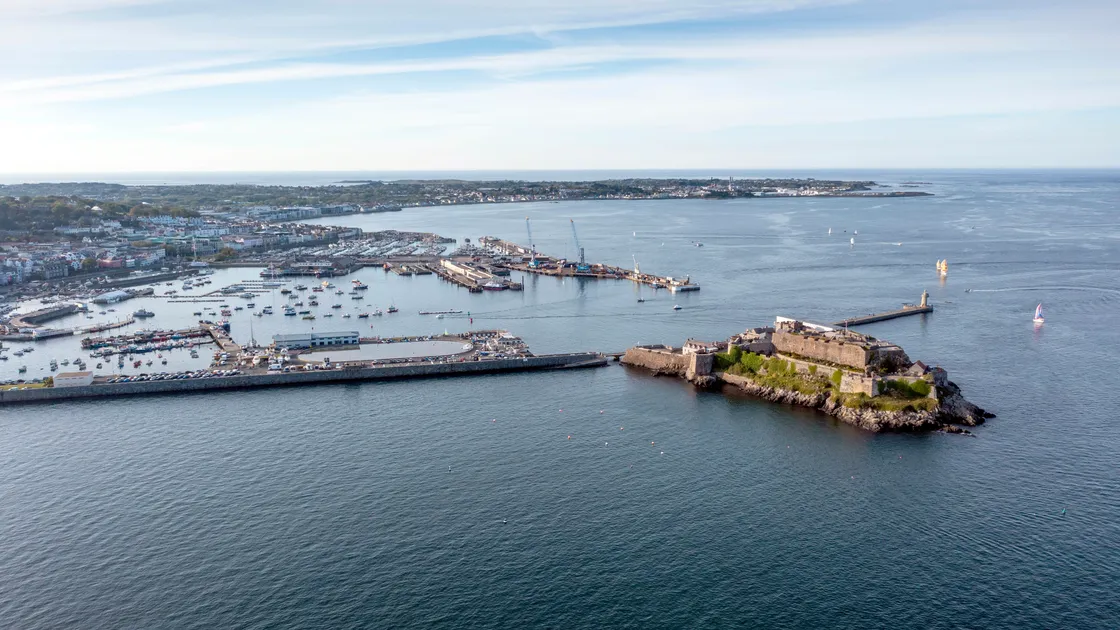
The work to develop a marine spatial plan should cover the current use of more than 700 sq. miles of local waters, potential growth for existing and future economic sectors on the water, and their impact on marine ecosystems.
The Environment & Infrastructure Committee has opened a survey on the idea.
‘Our seas play a huge role in our quality of life and in the economic success of our islands. We also know that protecting and regenerating our marine habitats is critical for future generations of islanders,’ said Environment & Infrastructure vice-president Sally Rochester, who is acting as the political sponsor for the project.
‘We are working on a marine spatial plan to balance these important factors and want to hear from the community as we shape that plan.
‘We are asking people to share their views through this survey to ensure that the needs of our community are balanced against other users of our waters, such as boaters, fishers and developers.
‘Our territorial waters represent an incredible opportunity and untapped potential which, with our community’s input, can benefit our community both now and for years to come. Please do take the time to share your views with us.’
The States currently has no single, joined-up approach to understanding how different marine activities interact with each other, or their impact on the ecosystems. It wants to consider the opportunities for fishing, tourism and commercial recreation already going on in local waters and other opportunities to grow the blue economy, including in offshore renewable energy, harbour improvements and sustainable tourism.
Information on overlap, conflicts and environmental pressures is currently not well understood or gathered across different sources.
It is intended that the plan will address this and provide a clearer picture of how the island’s marine space is used.
The States wants to pull together a detailed picture of marine use for recreation or infrastructure, projections of future prospects for the next 20 years, and better biodiversity information.
The survey is the first of two opportunities for members of the public to have their say.
There will also be workshops and focus groups with specific groups and individuals over the coming weeks, with feedback be used to inform a first draft, which will then be published for people to provide further comments before finalisation.
n More information about this project, including how to complete the online survey can be found at https://gov.gg/msp. The survey closes on Friday 12 June.
A marine spatial plan should help to:
Protect what makes Guernsey special
By planning how activities take place at sea, we can better protect marine wildlife and habitats while ensuring the sea continues to provide food, recreation and enjoyment for future generations.
Support local livelihoods and businesses
Clear planning helps existing industries such as fishing, tourism and marine recreation to operate sustainably, while creating opportunities for new, well‑managed marine developments.
Reduce conflicting activities and improve decision‑making
Bringing information together in one place helps avoid clashes between different uses of the sea and ensures decisions are based on evidence and long‑term thinking.
Strengthen Guernsey’s economy
A well‑managed marine environment makes Guernsey more attractive to responsible investment and innovation, supporting economic resilience and skills development.
Give people confidence in how the sea is managed
The Marine Spatial Plan will provide an opportunity for all those with an interest in Guernsey’s waters to share their view on how that resource should be used now and into the future.

You need to be logged in to comment.