
The agreement, which will run for an initial three-and-a-half-year term ending in December 2029, aims to bring long-term stability to an essential service many islanders rely on.
Health Connections’ Voluntary Community Transport Service currently has 29 active volunteer drivers, delivering up to 700 journeys each month.
Volunteers will continue to deliver the service, which will prioritise people who have no other way of getting to medical appointments or social prescribing activities. It will also support wider wellbeing by helping people attend activities that reduce loneliness and social isolation.
Under the agreement, HSC will provide £88,000 a year towards the cost of transport coordinators and to ensure volunteer drivers can reclaim mileage expenses.
‘We are pleased to continue serving the community in this way,’ said Bella Farrell, CEO of Health Connections.
‘We have offered this service with support from HSC since 2010 and we are pleased to now have a formal arrangement in place.
‘Community transport is a lifeline for many people, and this partnership gives us the stability to keep improving the service. Our dedicated team of volunteer drivers and coordinators work incredibly hard to support islanders who would otherwise struggle to get to important appointments or social activities. In the first six months of 2026 we have delivered over 3,000 journeys.
‘This SLA would enable us to maintain and grow the service that connects people to the support and care in the community they need.’
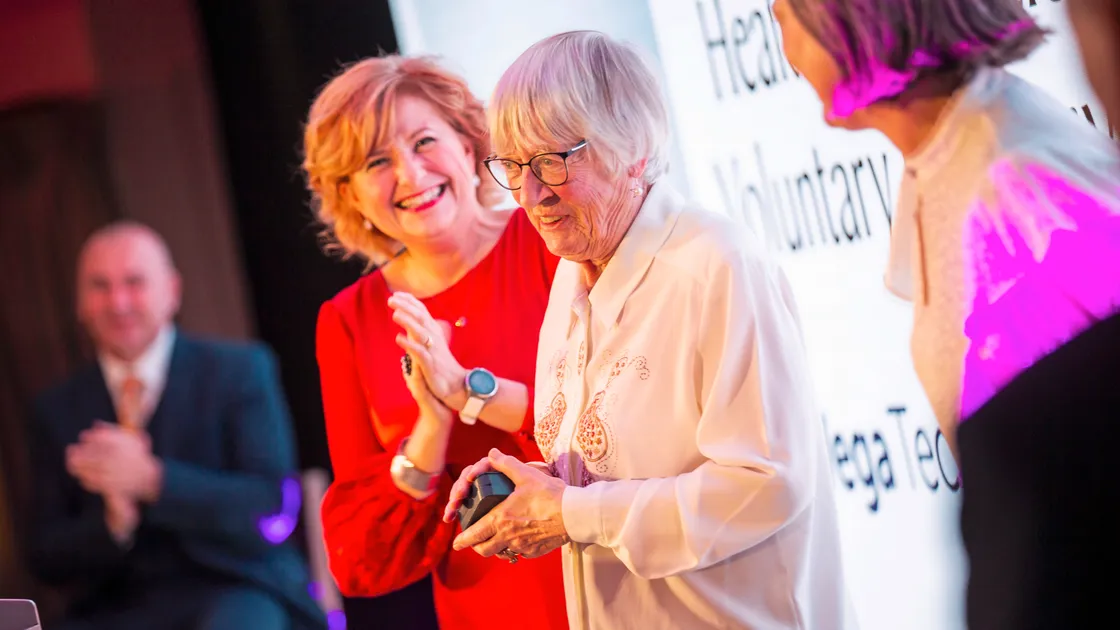
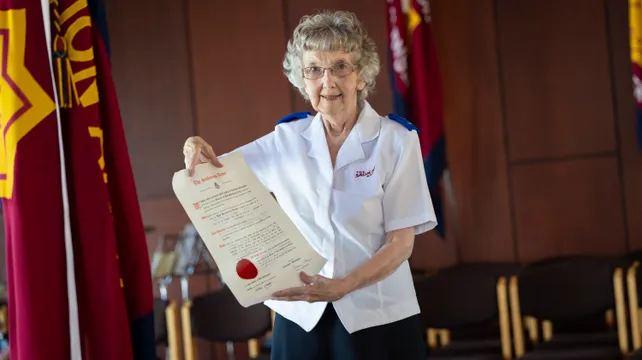
The service won the Pride of Guernsey Bailiwick Community Hero Award in 2024 and its longest-serving driver, Helen Sarchet, was nominated for the award the previous year. She had clocked up a quarter of a century of volunteer driving before retiring from the service last year aged 80.
Deputy Jennifer Strachan, of the Health & Social Care Committee, said the new agreement was an important step in strengthening community transport for the island.
‘We know how vital this service is for people who have no other way of getting to medical appointments or activities that support their wellbeing,’ she said.
‘By working closely with Health Connections and partners across the community, we can build a service that is accessible, sustainable and focused on the needs of islanders.’
Deputy Adrian Gabriel, president of Environment & Infrastructure, said his committee recognised the need for demand-responsive transport.
‘Not every journey can be met by a conventional bus service, particularly for those with mobility challenges or those living in areas where fixed routes are less practical. Community transport helps bridge that gap, ensuring more islanders can access essential services and remain connected to their communities,’ he said.


You need to be logged in to comment.