
But yesterday, before a good-sized crowd enjoying the weather at Saumarez Park, the cow classes were the smallest in the show.
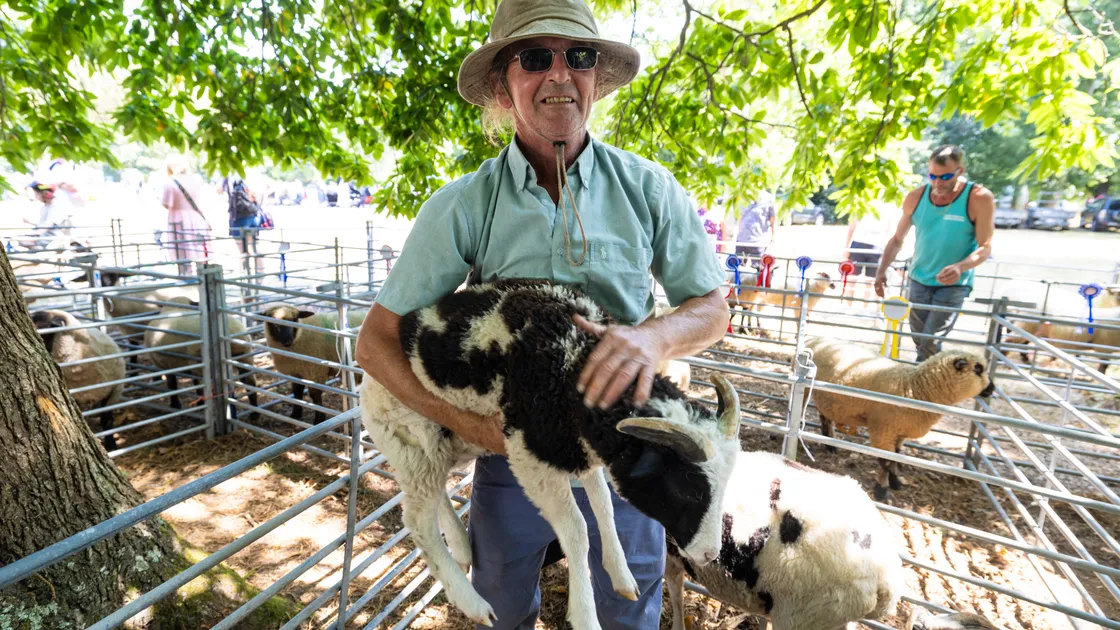
There were 15 cattle entered into various classes, alongside 70 horses, 34 sheep and 16 goats.
But cows still hold a great appeal, said society secretary Liz Naftel.
‘It’s a lovely showcase for the general public to come and see and, a lot of the time, it’s the closest anybody ever gets to a cow. Which is lovely.’
All cattle being shown yesterday hailed from Mrs Naftel's farm Les Fauconnaires, Les Jaonnets, St Catherine’s, or La Petite Croute farms.
Judge Oggie Smith from the UK spent the day examining each one closely as they were walked around the judging pen by their farmers.
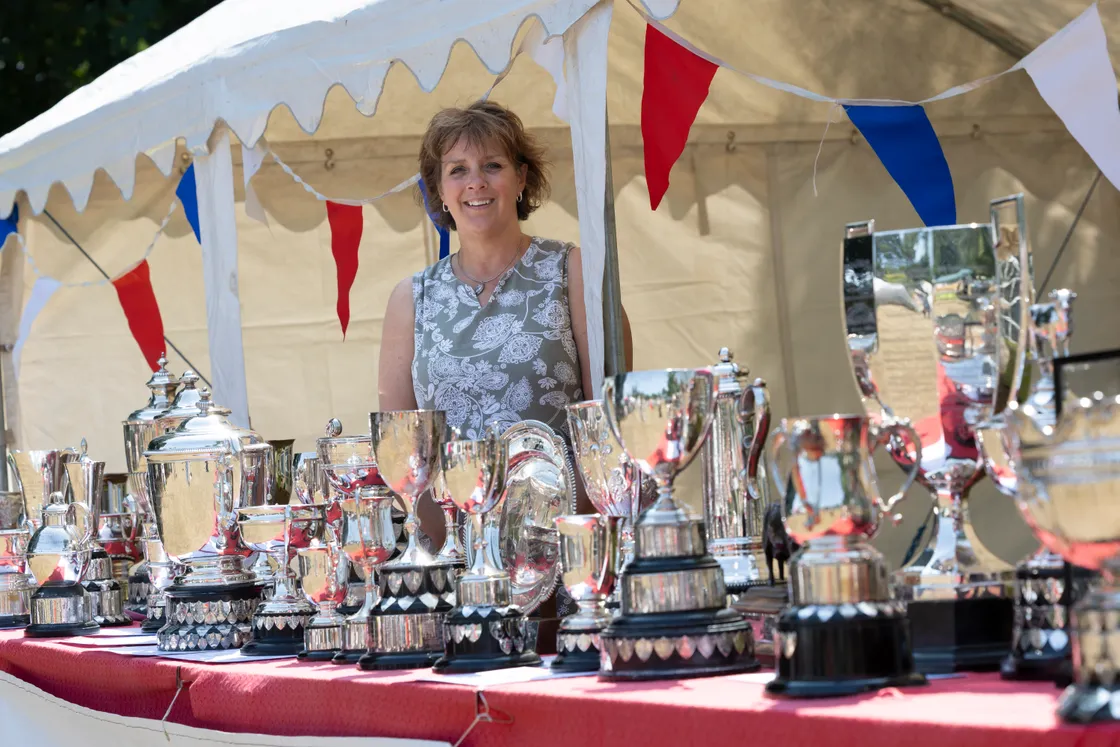
They were competing for 40 trophies, some more than a century old.
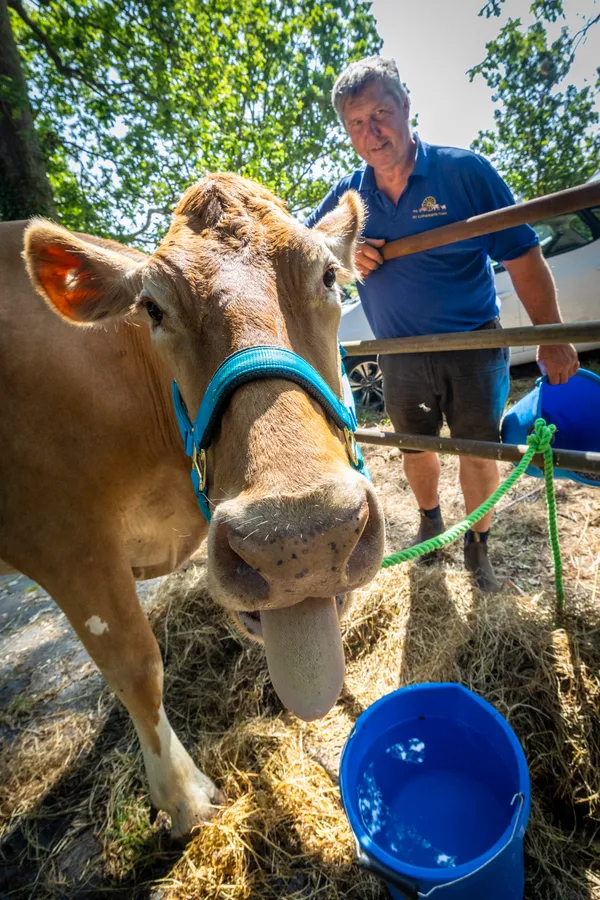
Mrs Naftel said that many animals were not used to be handled as they would be in the show ring.
They need to be halter-trained but with most herds being milked by machine, the cows do not need to be handled as much and are not used to it.
‘People don’t do it for the money. Honestly, the farmers do it because they enjoy showing their cows,’ said Mrs Naftel.
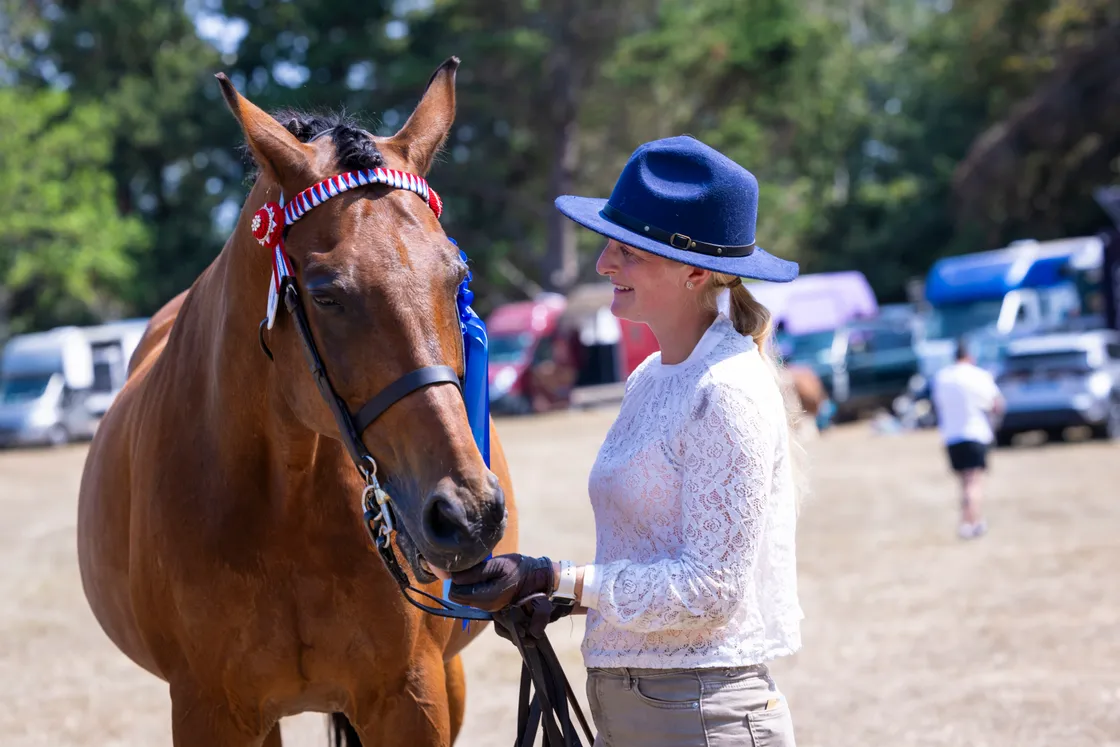
‘And the show is always good for the social side. It’s a nice little crowd we’ve got today.'
Included among the crowd were some visitors from residential homes across the island.
‘Goat younglings are flourishing’ says judge
Carolyn Drewitt knows what it takes to be a prize-winning goat. And she should know, having been around them for 70 years and judging for the past five decades.
‘Everyone has a different opinion for who should be a winner, but for me, they must stand straight on their hooves, coats shiny, you have to also check the teats to make sure they are good for milking, and have good teeth.
‘It is nice to see all of the young goats that have been born since the show last year, there are no adults in this category, so it is sweet to see that the younglings are flourishing.’
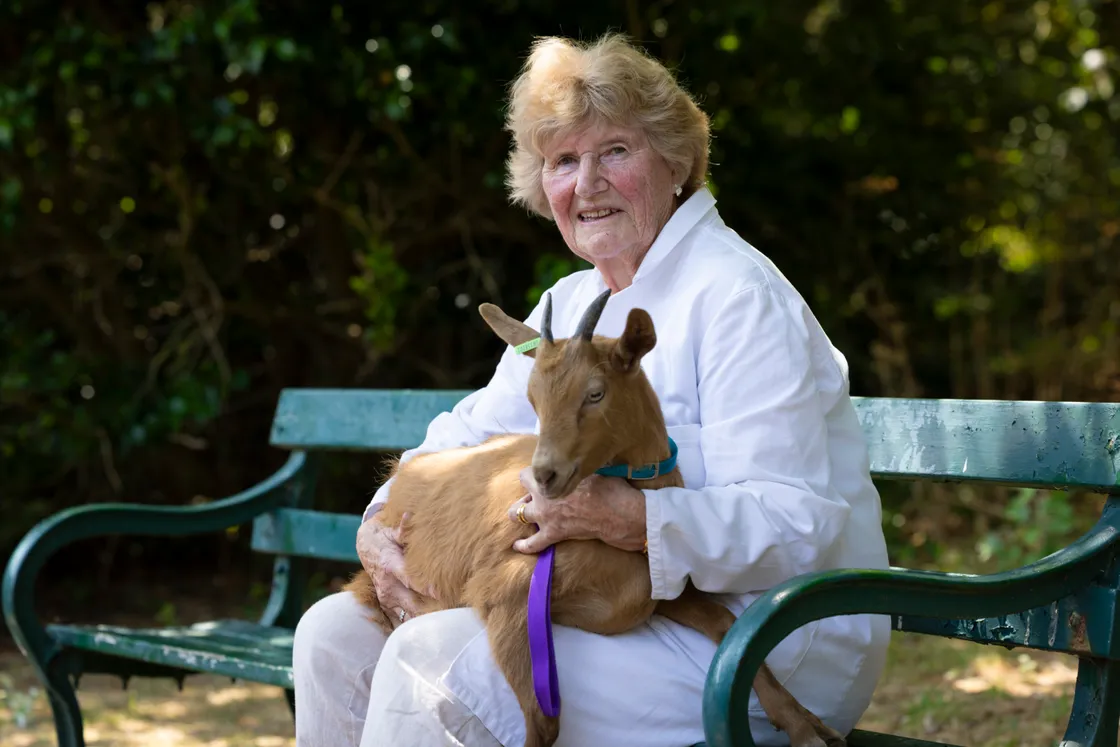
Mrs Drewitt used to show her billy goat Hazeltons Jaonnet in the Royal Show, which dates back to 1913.
‘In the 50s, 60s and 70s more people kept goats but then they became unpopular,’ she said.
‘However now we have seen an increase again, with people being more into sustainability.’
The show was bathed in sunshine all day, meaning the animals had to be gathered into what shade was available beneath trees.
‘It is getting too hot this year,’ Mrs Drewitt said. ‘It has turned into a different heat from what it was like 50 years ago – it is burning.’




You need to be logged in to comment.