
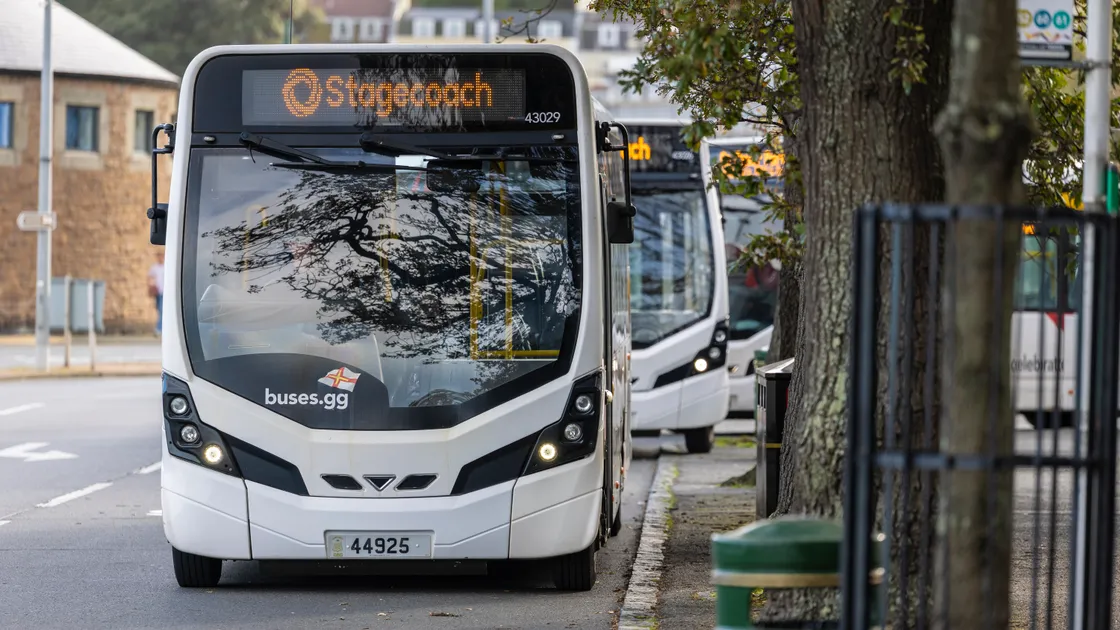
Deputy Ross Le Brun said he had gone through complaints across local Facebook groups and spoken to daily users, and that ‘the volume of complaints is worrying’. As a result, he posed written questions to the Environment & Infrastructure Committee.
Recurring issues, he said, included buses failing to turn up, cancellations, services running significantly late, and ‘phantom buses’ that appeared on live tracking but never arrived.
Among the most serious concerns, he said, were reports of schoolchildren being left at stops, sometimes because buses were already too full, and arriving late at school, with parents given little warning.
He also highlighted complaints about poor communication, unreliable tracking, capacity and staffing problems, and customer service, including the treatment of elderly passengers.
‘The real issue isn’t any one complaint,’ he said.
‘It’s that people are starting to lose confidence in the service. And that’s a serious problem.’
Once people stopped trusting the buses, he warned, ‘they get back in their cars’, meaning fewer passengers, less fare income, more congestion and greater pressure on parking.
Deputy Le Brun said he was not claiming the service was in crisis, but argued that the level of public money involved justified the question.
The States has previously put the annual cost of running the service at around £6m., of which taxpayers contribute roughly £4.6m., or 77%.
‘If taxpayers are already paying around £4.6m. every year towards the service, we should seriously look again at whether it ought to be run as a public service,’ he said, arguing that any surplus currently taken by a private operator’s shareholders would be better reinvested in reliability, driver recruitment and customer service.
In a written reply, E&I president Deputy Adrian Gabriel acknowledged service disruptions, pointing to recruitment difficulties, workforce shortages and accommodation pressures as contributing factors.
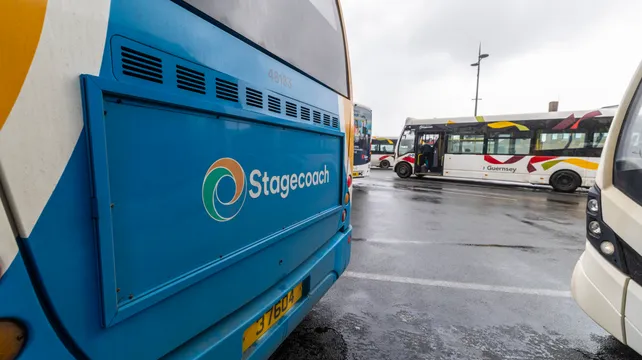
But the committee did not consider it appropriate to reassess alternative delivery models at this stage. It was in a five-year contract with Stagecoach South West, which started operating in the island in April 2025, following a competitive procurement process.
The contract will be reviewed after three years and a decision made on whether to continue.
The committee said that running an island-wide network was ‘a complex and highly specialised undertaking’ and an experienced external operator offered expertise, additional resources and resilience.
An in-house model would transfer operational and financial risks directly to the States, which would still have to solve the same recruitment and staffing challenges. All options – including continued use of an external operator and ‘the potential for direct public operation’ – would be considered when the contract reached its renewal stage, to ensure the operating model represented the best outcome for islanders and taxpayers.

You need to be logged in to comment.