

Jersey has announced that it is cutting the highest fine imposed from £400,000 to £250,000 following a consultation which claimed that the high level fines had ‘an excessive dissuasive effect’ on people taking up senior compliance roles in the island’s finance industry.
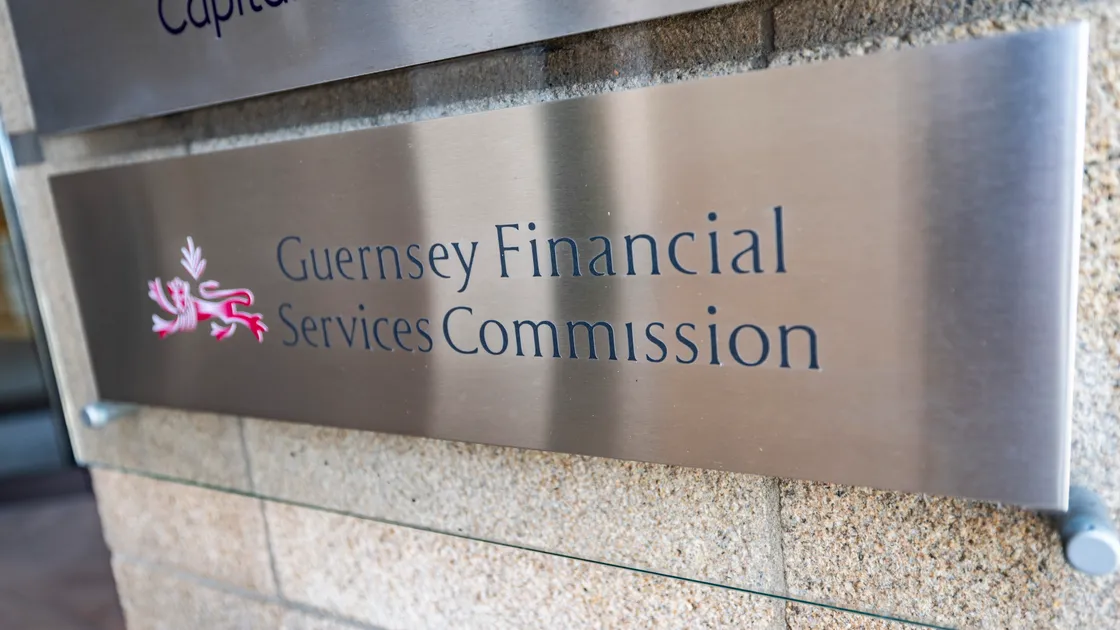
Guernsey has the same maximum fine, but a GFSC spokesman said that it has never collected this amount against any individual.
‘The States came to a view in 2017 that £400,000 was an appropriate maximum for individuals,’ he said.
‘It is noteworthy that this maxima was not criticised in Guernsey’s latest Moneyval assessment published in February 2025, indicating that it was considered sufficiently dissuasive by the external assessors.’
Having fines and powers broadly aligned with the European Standard was seen as sensible for an international finance centre whose reputation depended on ‘being able to demonstrate equivalent and credible regulatory standards’.
The spokesman said that since the inception of the GFSC’s Enforcement Division only three people were initially given fines of £250,000.
‘Of those, two individuals actually received notional fines in excess of £250,000 and both those individuals decided to settle with the commission and thus paid fines of less than £250,000,’ he said.
‘In essence the commission has never collected a fine against an individual in excess of £250,000.’
It did not think that the more than 99% of honest people working in the island’s finance sector, or considering coming here to do business, would be deterred by the fact that the island maintained effective and proportionate enforcement powers reserved for the most serious cases of regulatory misconduct.
‘Whilst one can suppose, as a matter of logic, that there are individuals who might be deterred from doing business in Guernsey by the notion that we have an effective rule of law here, one might reasonably wonder if those are exactly the sort of people we want to encourage to do business in the Bailiwick.’
At the end of last year there were 10 cases being investigated with another six at various stages of the decision-making and appeals process.
‘When islanders consider that we regulate about 2,500 entities, they will appreciate that, quantitatively, that is not many cases,’ he said.
Ultimately, he said a regulator’s fining powers were a political matter and elected representatives would need to weigh up a variety of factors, including international relations, before making changes.
He pointed out that the Bailiwick has recently applied to the National Association of Insurance Commissioners in the USA for recognition, which would help the local insurance sector whilst benefiting US consumers.
‘In our experience, overseas regulators place considerable importance on counterparties having the ability to enforce effectively and to deter wrongdoing,’ he said.