

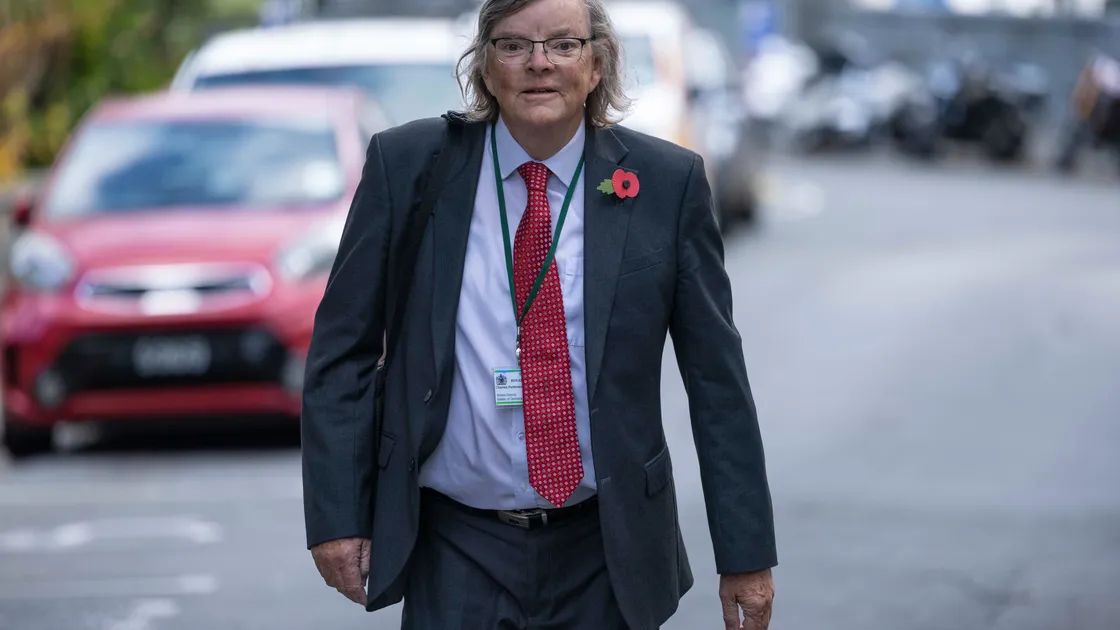
In his opening speech of the 2027 Budget debate, Charles Parkinson expressly attempted to move away from a focus on spending restraint to view public sector spending in the context of growth.
‘The way that I look at the spending issue is this – an increase in public spending of 1.3% would not matter if our economy was growing at 1.5 or 2%,’ he said.
‘The size of the state would then be shrinking as a proportion of our total economy. But our historic growth rate, in recent years, has been more like 0.5%. So, to me, the central problem is a lack of growth.’
He highlighted three separate initiatives in the Budget aimed at stimulating growth.
The first was the creation of a new Economic Growth Fund to support projects which have the potential to boost growth and encourage diversification.
The second was the creation of an entrepreneur’s tax cap, designed to attract serial entrepreneurs to come and establish their next start-up in Guernsey.
The third ‘growth engine’ Deputy Parkinson identified was the proposed five-fold increase in tax relief for charitable giving.
‘Guernsey has an enormous amount of social capital,’ he said.
‘Local benefactors give generously to charitable causes, including some that support our economy. A recent example has been the development of the Victor Hugo Centre, which will have educational and cultural benefits but which will also support our tourism industry.’
The treasury lead was quite bullish about the current state of the local economy, saying there were lots of positive indicators – including controversial tax reform agreed by the States last month.
‘Guernsey continues to enjoy full employment, property transactions and visitor numbers are up, and many businesses are reporting healthy profits,’ he said.
‘And after a couple of years of stagnation, house prices have started to rise again. Our public finances are being bolstered by Pillar Two revenues at higher levels than some were expecting, and the decisions taken recently to reform our tax system will bring greater stability to our revenues in the future.'
On the other side of the coin, Deputy Parkinson warned that Guernsey’s public finances still face a medium-term funding gap.
He told members that Pillar Two returns were likely to decline over time, and Guernsey faced a huge backlog in capital investment – underinvestment that had to be addressed, particularly in relation to housing, though he said that progress was starting to be made on that front. Together, Court Falaise in the Charroterie, at the Oberlands and the Mallard site will provide 150 units of accommodation, with more to follow in the north of the island.
‘Development is inevitably slow, but we hope to make a real difference to the cost of the housing crisis before the end of this States term,’ he said.
Deputy Parkinson also expressed optimism that the upcoming actuarial review of the public sector pension scheme could result in reduced taxpayer contributions in the future.
In closing, he returned to his three key themes.
‘The States of Guernsey is in rude financial health, but we have problems of an economy growing only slowly and an historic underinvestment in our infrastructure.
'This Budget makes a determined effort to address those problems.’



You need to be logged in to comment.