

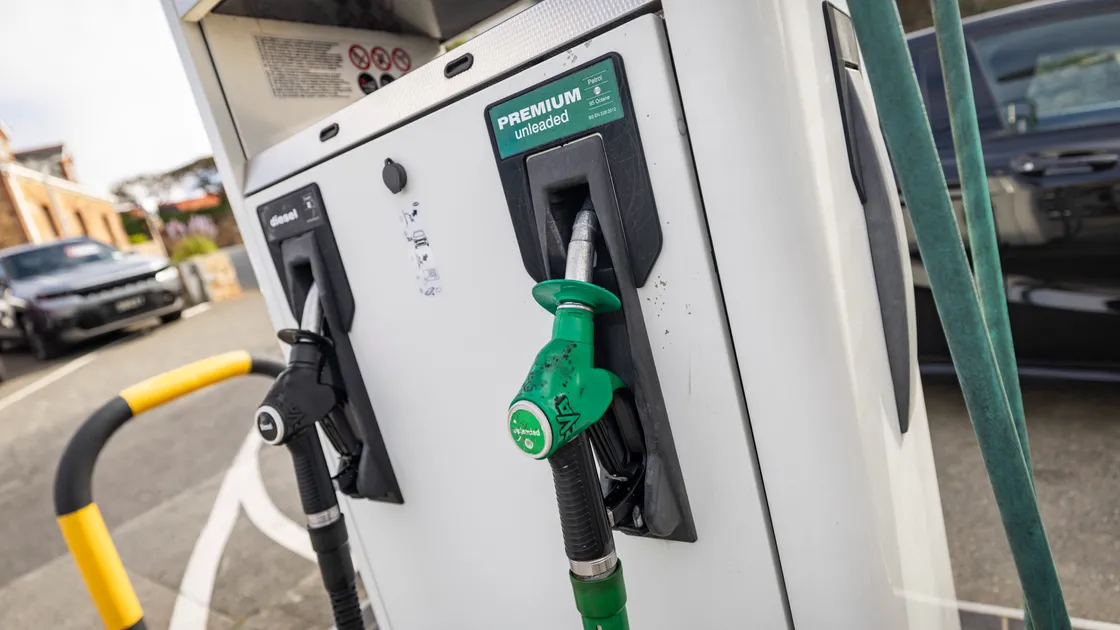
Policy & Resources had wanted to increase the duties on petrol and diesel by inflation. But after a very short debate the States decided to keep those duties at 2026 levels in cash terms.
In one of the shortest speeches of the day Deputy Lee Van Katwyk explained his amendment was an attempt to moderate what he described as ‘nonsensically, historically high fuel prices brought about by geopolitical turmoil’.
‘What I can tell you is that people feel that the screw is being well and truly tightened and this is just one way that we can turn this Budget into more of a people-focused Budget,’ he said in summing up.
‘And I know that with my talks with Guernsey people, they don’t feel like they’re getting anything from this budget.
‘We are more expensive than Jersey in our tax on fuel. We’re more expensive than the Isle Man, more expensive than the UK, and they have VAT on top of the duty. So this is about just being pragmatic, being realistic, and giving something to the people of Guernsey from this Budget.’
In response P&R president Deputy Lindsay de Sausmarez, pointed out that the move would cost the exchequer £960,000, but would only benefit households by between £16 and £24 a year. Despite that argument the amendment was carried by 17 votes to 15.
Under special Budget provisions duties are increased from the moment that the policy letter is published. So the inflation-linked increase in the tax on fuel came into force several weeks ago and, assuming the decision is confirmed at the end of the debate, will now need to be reversed.




You need to be logged in to comment.