
In its new community risk management plan, out for public consultation, the Fire & Rescue Service warned that avoidable call-outs were tying up crews unnecessarily.
The service responded to 726 false alarms in 2025, up from 503 in 2021 – a rise of more than 44%, including a jump of nearly 19% in the past year alone.
They made up 51.4% of all incidents, meaning more than one in every two call-outs was a false alarm. Almost all were general false alarms, many linked to automatic fire-detection systems, rather than malicious calls, of which there were just six.
The service said the scale mattered, as of the 256 extra incidents it attended between 2021 and 2025, false alarms accounted for around 87% of the increase. Repeated attendance where there is no fire, it said, ‘can commit firefighters and appliances that may be needed elsewhere’ a particular concern for an island service with no neighbouring brigade to call on for immediate backup.
The community risk management plan for 2027 to 2029 sets out how the service intends to respond to a changing pattern of demand.
Overall, call-outs have risen sharply, from 1,156 in 2021 to 1,412 in 2025 – its busiest year on record. Yet actual fires have fallen, down around 11% over the period, from 121 to 108, and now make up just 7.6% of all incidents.
Instead, the service’s role has shifted towards what it calls ‘special services’ – flooding, environmental incidents, road traffic collisions and medical co-response work with the island’s ambulance service.
These accounted for 578 incidents in 2025, just more than 40% of total demand.
The plan stresses that a falling fire count did not reduce the need for a strong firefighting response, as ‘a single serious fire can still require significant resources and have major consequences’.
The plan has also been shaped by the independent peer challenge inspection carried out last autumn, which identified a number of areas where improvements and investment were required.
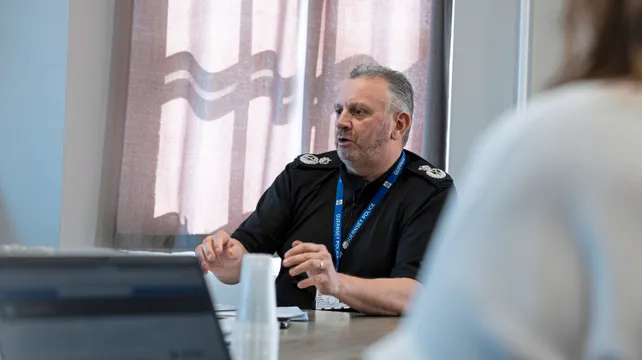
Chief Fire Officer Les Britzman said that the plan had been shaped from a comprehensive assessment of the risks facing the island, considering historic workloads and the changing nature of the service’s work.
‘An evidence-led approach will ensure that our future priorities and investment decisions are focused on those areas where they can make the greatest difference to public and firefighter safety,’ he said.
‘Our ambition is clear – to provide Guernsey with a modern, effective, resilient and sustainable Fire & Rescue Service that our communities can continue to trust and be proud of.’




You need to be logged in to comment.