While an unknown and unsupervised number of civil servants were lolling around, oops, busy working from home this week, some of us were more productively occupied going through S&P Global’s latest report on whether it’s safe to lend money to the States of Guernsey. And, basically, yes it is.
Forget the A+/Stable/A-1 jargon. What it means is government has a strong capacity to meet its financial commitments, although it remains somewhat vulnerable to adverse economic changes. Which we all knew before forking out an estimated £160,000 for S&P’s latest views.
Ah, but us knowing and having a credible and independent agency formally reporting that to potential creditors makes all the difference. Which is why P&R’s flatfooted attempts to rope S&P into the GST debate were so misjudged. S&P recommending any course of action and then re-rating an entity because it hadn’t complied would mean it was marking its homework and destroy the agency’s credibility overnight.
So members of the senior committee have made themselves look very silly indeed and created a lot of unnecessary work for its officers who would otherwise have been at home re-papering the hall* instead of trying to explain away their political masters’ references to S&P that should never have been made in the first place.
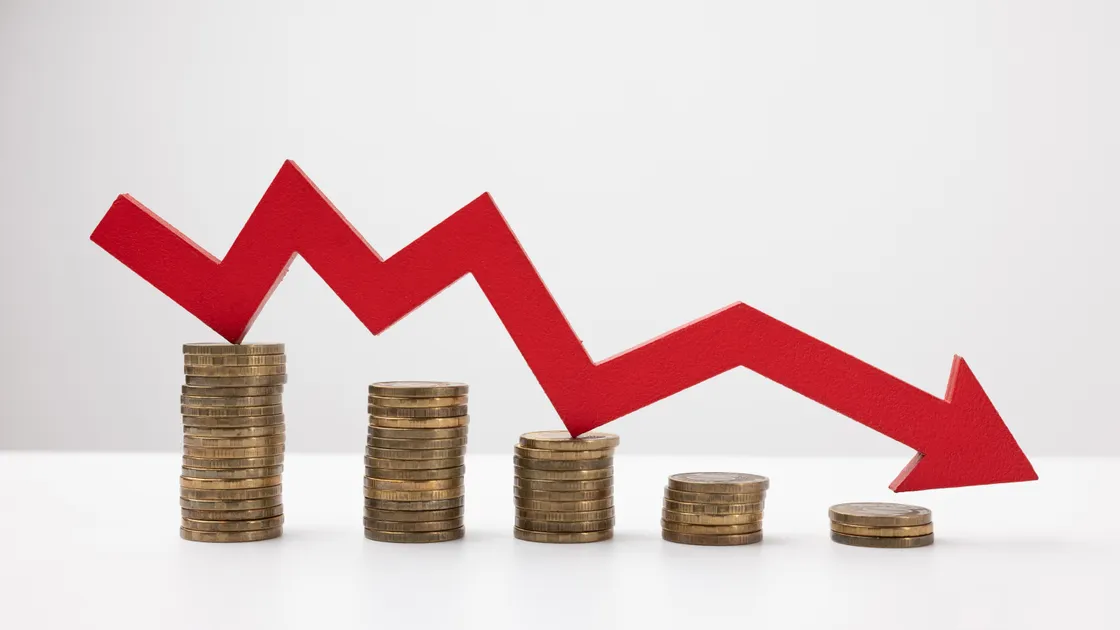
Having cleared that up, we can move on to what is really significant about the agency’s work. It anticipates that you, Mr and Mrs AverageGuern, will continue to become even worse off year by year for the foreseeable future.
This is not an encouraging prospect. Not least because P&R has no plan or strategy to counter it. Not one of its Government Work Plan’s so-called super-priorities is directly focused on the economy or boosting productivity.
Let me explain why this matters. People are struggling now. We already know from the household expenditure surveys that home incomes have fallen in real terms (after allowing for inflation) by around 20% over the last 10 years and that vulnerability is astonishingly concentrated.
Lone-parent households spend 33% of already low income on housing while nearly a quarter of islanders report great difficulty making ends meet and some 41% of all households have no savings or less than a month’s income in reserve. Support to top up working families’ inadequate incomes is already running at £1m. a week.
And what S&P is telling us is there’s no end in sight. Real GDP per capita growth, probably the closest single indicator to living standards, is effectively nil (0.1%) out to 2030. But – and it’s a big but – that is a materially worse forecast than the 2025 report. So the latest expected decline in real incomes shows things are getting worse.
This follows Institute of Directors economic lead Richard Hemans’ apocalyptical warning last year that Guernsey’s economy was stagnating. Unequivocally, government’s own ratings agency has now confirmed that diagnosis. And then gone some, saying the slowdown is accelerating.
At the same time, it also forecasts that inflation – the very thing that nibbles away at your prosperity and jacks up States’ expenditure and payroll costs – is going to remain high and above UK levels. While the economy is also shrinking in real terms.
We ought to note, too, that even the engine of the island’s economy, finance, is struggling. The best it could come up with in its recent annual report is that the sector remains stable. Well, that might be an achievement in difficult times I suppose, but it’s also just a whisker away from saying ‘stagnant’. So there’s little consolation there.
This long term, real terms decline is also affecting how government reports itself. The 2014 household survey revealed high average incomes but significant inequality and vulnerability at the bottom, with poverty high by international standards. It basically measured income distribution – who earned what, and how unequal was it?
The latest survey shows that inequality has improved marginally but moves the focus to cost of living and financial resilience – can people afford to live here, and what happens when they can’t? This shift in analytical focus is important because it reflects a decade in which Guernsey moved from a jurisdiction concerned with measuring prosperity to one struggling with affordability.
Which is exactly where islanders are now, with average house prices above £600,000 and S&P saying real incomes will continue to decline.
Why economists and others go on about economic growth so much is it’s the one thing that can improve both sides of this problem. If growth is more than predicted by S&P, the key metrics it tracks – say States’ deficit to GDP – actually fall. Hurrah. And growth, as in the business employing you doing better, is the only route to real increases in wages. Also hurrah.
So unlike P&R’s GST-plus (or -lite) relief tinkering or benefits uprating, which merely redistribute existing revenue, productivity-driven wage growth adds to the total available. The cake, as they say, gets bigger.
P&R, from its super-priorities, cares for little of this. Its focus is on balancing the books and anyway, growth is hard when you have full employment and no homes to attract new employees.
Economic Development, under president Sasha Kazantseva-Miller, does care and is pressing for economic development by improving air and sea connectivity, expanding digital and AI capabilities, implementing the Finance Sector Growth Strategy (more on that another day), enhancing the visitor economy, and tackling workforce barriers like housing availability and talent attraction.
This might seem like small beer but from a Chamber of Commerce survey, 80% of businesses said housing hits their ability to attract and/or retain talent while 65% reported that air or sea services have negatively impacted their organisation’s prosperity (and therefore employees’ wages).
And here’s the rub. S&P forecasts real GDP growth will tick along at less than one per cent to the end of the decade. Improve that even marginally and the need for yet more tax rises eases. Improve housing supply – the single biggest driver of the squeeze on real incomes – and everyone benefits.
But as things stand, none of that’s likely to change soon, hence S&P’s warning that islanders will continue to get worse off.
Yes, this is bleak and – housing, at least – largely of the States’ own making. So is there nothing encouraging on the horizon? Potentially, yes, through the Pillar II OECD global minimum tax framework bringing in an expected extra £40m. from next year and the proposed offshore wind project raising an additional £75m. a year.
Pillar II is baked into S&P’s gloomy calculations but wind farm leases would be new money, and so would any growth or productivity gains from the capital expenditure infrastructure programme. So there is something to play for.
What worries me, however, is the lack of urgency on housing and growth. All we’re getting is GST and hand-wringing over the delayed ‘parliamentary estate’ navel-gazing exercise. What? you ask. I agree. It’s so pointless and trivial it deserves no explanation.
Nevertheless, it remains ‘a priority’ for States Assembly and Constitution Committee president Sarah Hansmann Rouxel and her colleagues, despite the cost of living and housing crises facing islanders, and says much about this Assembly’s attention span.
Similarly, we now learn that health waiting lists are the worst they’ve ever been, annual performance reports are being scrapped and dealing with complaints is being delayed. Sick, aged, suffering patients? What a bloody inconvenience, eh?
I don’t know about you, but given the amount we pay for government and the number of States members we have, islanders really do deserve better.
*True story. A public servant I know (not in Guernsey) re-laid his entire patio this month while WFH.