
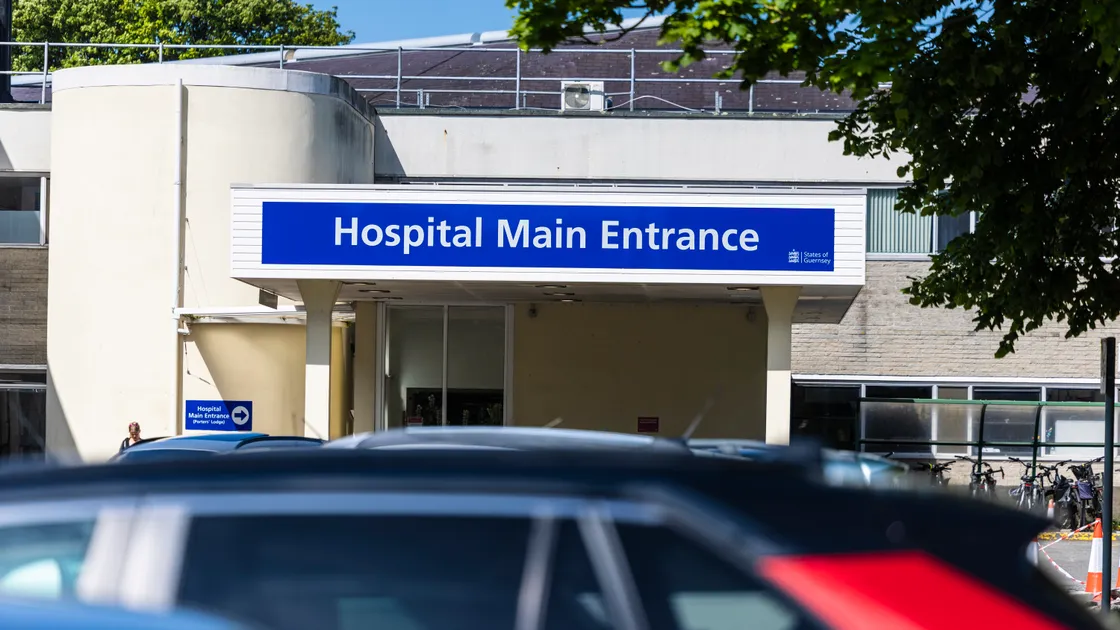
The recent Scrutiny Management Committee announcement that it is launching independent reviews into the Electronic Patient Record system and the Hospital Modernisation Programme is to be welcomed.
I hope I am wrong, but I suspect these reviews will uncover similar failings to other historical States projects: namely, avoidable delays and poor value for money; driven by systemic weaknesses in political oversight, executive governance, financial controls and a blurring of accountability.
However, unlike previous project failures, setbacks in our healthcare infrastructure are not just a matter of wasted public revenue; it is a matter of frontline patient care and has a direct and serious effect on the health outcomes of local patients. I hope that the SMC extend their focus to include the outcomes for patients from any failings they may uncover and not limit their review purely to inefficiencies and costs.
My concern is the persistent failure to meet statutory 95% eight-week waiting list targets is a failure of public policy. With routine outpatients and inpatients reportedly waiting up to six months or more for initial diagnostic consultations, the extended backlogs create a self-evident hazard to patient safety.
We are repeatedly told to wait for Phase 2 of the Hospital Modernisation Programme to solve capacity constraints. However, the troubled rollout of the Electronic Patient Record System and overruns of Phase 1 of the HMP suggest this critical build will be heavily delayed and over budget. Taking past infrastructure projects as a baseline, it could realistically be seven to 10 years before the community sees any tangible clinical benefits.
Using a distant capital project as a shield against political criticism is unacceptable; it cannot solve a clinical emergency happening right now in 2026. This infrastructure deadlock actively restricts the operating theatre and acute bed capacity needed to clear backlogs today.
Many islanders will know family and friends that may have had different outcomes if they had received earlier diagnosis. The potential human cost is starkly outlined in official data. The latest Public Health Guernsey’s Mortality Trends report reveals that a staggering 16% of all island deaths, 307 over a three-year window, are classified as ‘avoidable’. Crucially, 93 of these were ‘treatable’ deaths that timely, high-quality medical intervention could have prevented. With many of these avoidable deaths directly linked to neoplasms (including colorectal and oesophagus cancers) or diseases of the circulatory system, we must confront the reality of our current waiting lists.
When a routine consultation for an endoscopy or a cardiology procedure etc. stretches out for months, it ceases to be a safe waiting period and it risks becoming a dangerous holding pen where progressive, life-threatening illnesses are potentially permitted to advance undetected. Statistically and ethically, we cannot evaluate our failing wait times in isolation from the island’s treatable mortality figures.
The current approach is a textbook definition of a false economy. While patients languish on these lists, the taxpayer absorbs massive secondary costs. Deteriorating patients require long-term subsidised prescriptions, repeated GP visits, emergency room interventions, and ultimately, expensive social security or long-term care packages.
Treating waiting lists purely as a ‘cost-containment exercise’ to protect capital reserves ignores the reality that delaying care severely inflates overall public spending.
Furthermore, the division of responsibility between Health & Social Care and the Medical Specialist Group risks creating an accountability vacuum where both parties can trade blame.
This institutional deadlock is likely to have contributed to the fact that ‘routine’ lists have never truly recovered from the pandemic, potentially letting aggressive illnesses quietly advance while patients wait out a bureaucratic timeline.
Our political leaders must act. If local staff shortages and delayed theatres create bottlenecks and stall internal recovery, the States must immediately fund two policy interventions:
1. Deploy central contingency funds to commission short-term, off-island private care pathways in the UK or elsewhere e.g. mimicking the previous partnership with Newmedica which successfully allowed ophthalmology patients to receive timely cataract surgery off-island.
2. Expand joint HSC/MSG weekend ‘blitz’ initiatives to fly in specialised medical teams e.g. as modelled for gastroenterology with the Medinet initiative.
However, both these solutions only work if they are fully funded with the resources necessary to restore lists down to sustainable targeted levels.
Clearing the baseline surge externally is the only way to reduce queues to a level local clinicians can safely manage. Waiting for a delayed construction project is a policy that is likely to cost Guernsey lives.
Dave Wadley
Vale




You need to be logged in to comment.