

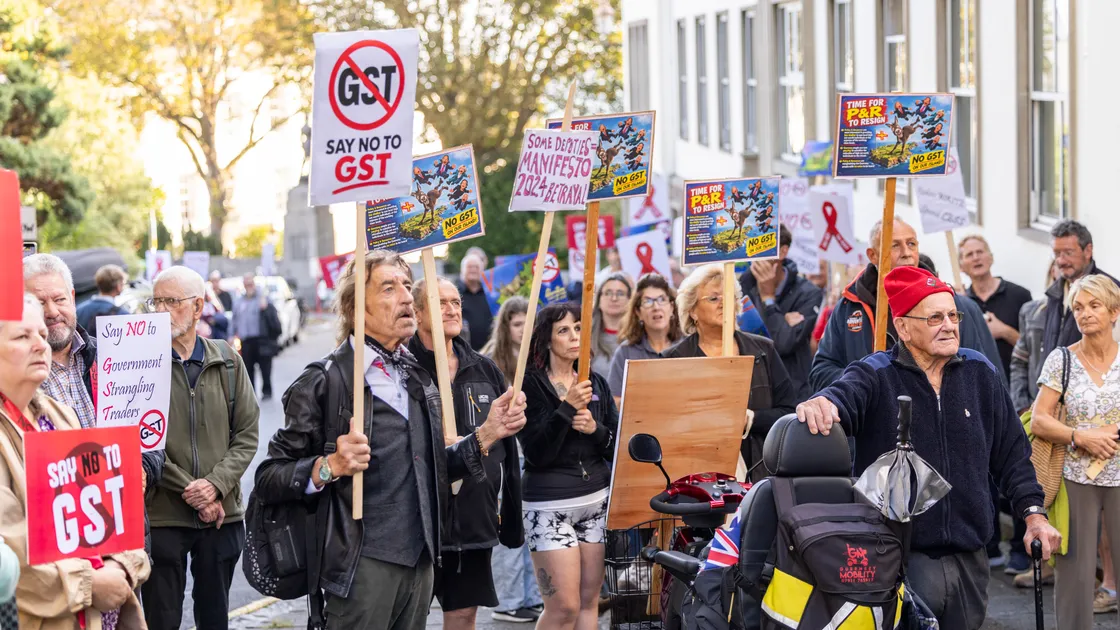
The latest tax package was passed, but only by a small majority. Smaller than its very similar predecessor was approved by in the last States. Does that mean it’s been approved, only to prove to be dead on arrival? Can such a contentious decision really be carried to fruition when the result was so close? The simple answer is yes.
Majorities of five are a tad fragile but a win is a win. After all, the decision to pause and (allegedly) review the approved two-school secondary education system was taken by 20 votes to 19. But we still ended up with a wretchedly inefficient four-school model as a result.
Nor should we be surprised by the narrowness of yesterday’s vote. In a democracy no politician finds it easy to bring in a new tax, particularly in small communities like Guernsey where elected representatives are very close to the public. It’s true that with a progressive package, like the one just agreed, they can explain that those on lower incomes will be better off overall. But the public focus will inevitably remain on the new tax. So under what circumstances will an elected assembly have the courage to be fiscally responsible, even when it means taking decisions which are unpopular with a huge swathe of the population?
Frankly it matters not whether that swathe is a large vocal minority, or a majority, it still represents many potentially lost votes. Probably only when their backs feel hard up against the wall. That’s why Policy & Resources came close to snatching defeat from the jaws of victory last week.
Its laudably open, and timely, update on the projected tax-take, under Pillar Two of the new international tax regime, appeared to several deputies to edge their backs away from that fiscal wall. Of course everything else that Deputy Charles Parkinson went on to say was 100% correct. The news did nothing to alter underlying trends which are largely driven by demographics. Did little to deliver the broader tax base everybody surely knows that Guernsey needs.
And not only is the Pillar Two taxation inherently fragile, but one of the ironies is that it might end up damaging Guernsey’s economy in some ways. Once there is a level playing field, throughout most of the world, for taxing the profits of large companies, then one of the attractions of doing business in Guernsey disappears. So it is just as well the States didn’t decide to put all of its eggs in the Pillar Two basket. But undoubtedly the upbeat statement from P&R was viewed by the very few floating voters much like a drowning man views a lifebelt floating past.
Has a line now been drawn under this debate allowing our parliament to talk about things other than tax? Probably not. Those opposed will continue to try to stop it at every stage, but they will fail. Meanwhile the unstoppable force of demographic change continues unabated and at some stage will undoubtedly demand a further fiscal response from the States.






You need to be logged in to comment.