

One of the main reasons I came home was my friends. My friends are my soul mates and I’m lucky to have many from all walks of life. My friends and I have worked hard over the years to maintain our friendships despite living on opposite sides of the world, but so far, we’ve managed and it’s something I’m proud of.
Since being back, I’ve been kept afloat by my friends – my oldest friends who I’ve known since school have swept me up into their lives like I’m an extra family member, my best friends from university have flown over to visit me, I’ve flown to the UK to go to baby showers, meet international friends halfway and stay with others in their forever homes. I’ve also reconnected with old friends I hadn’t seen in years; I’ve met their children and learned about whole lives lived in the last 20 years. Guerns who live away have come back for the summer and we’ve had a taste of the old days, sitting around on Cobo eating chips, just this time with a few extra little humans running around. But coming home and trying to settle back in to ‘real life’ friendships again has left me even more curious about what makes a friendship work (or not). How do we navigate friendships as we get older, especially when people are living very different lives?
I’ve always been an ‘available’ friend. I’ll say yes to hanging out with my friends 99% of the time (unless there’s fancy dress or organised fun involved) because the joy and comfort I feel with my friends is unmatched anywhere else. But as friendships have moved from ‘online’ to ‘in-person’, my availability is more pronounced because of our different lives and responsibilities.
I’ve been amazed at the generosity and organisational skills of my friends; they have multiple children between them, partners, jobs, their own businesses to run, homes to renovate – you name it – but where they can, they still find the time to listen to me whinge about terrible dates I’ve been on or how bad my long run was that day. But ultimately, they have so many other, more important responsibilities now that they won’t ever be as available to me as I can be to them. I rationally understand; of course they can’t always be available for a spontaneous wine. And I’m so proud of them for creating these incredible family bubbles of love that mean so much to them; the people I choose to have in my life are very decent, kind and loyal. They’re also excellent parents and partners and if they weren’t, we wouldn’t be friends.
But, as selfish as it can be, my emotional brain takes over sometimes. I can feel upset that someone’s had to cancel last minute or irritated if someone else isn’t free for ages. I can feel melancholic about the changing of times and wish things were different. Or, shamefully, I can feel jealous that my friends have other people in their lives they will choose over me. As hard as it is to admit I have these feelings at times, I think part of growth in friendship is knowing yourself and dealing with your own emotional ‘stuff’ before it becomes a problem for someone else.
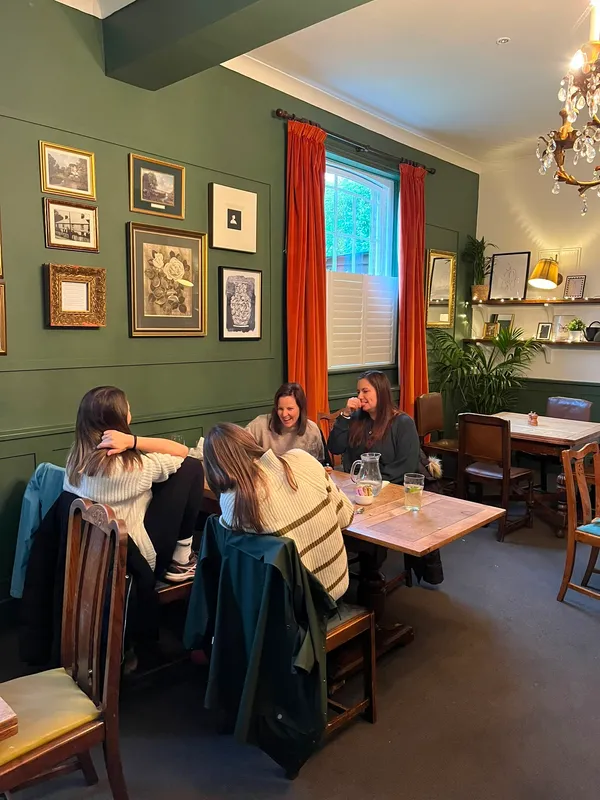
Sometimes I question whether my availability is rooted in a fear of disappointing them. If I say ‘no’ to something, will they be annoyed? The journey of friendships is interesting; why do some last for years whilst others fade away? I find the idea of friendships ending particularly hard because I’ve always had a fear of losing friends. As I’m sure we all do, I’ve got memories of conflict in friendships that caused me a lot of pain; in childhood the old classics of ‘best friend one day, enemy the next’ and in early adulthood perhaps unintentionally upsetting friends and none of us being mature enough to deal with that without rejection or isolation. As much as I know we’d deal with things differently now, those wounds are still there somewhere, underlying this need to please. And it’s important to remember, too, that relationships of all kind end – and that’s ok. As we’ve all got older, rather than dramatic conflict, it’s more about navigating the different lifestyles and choices we all make with grace.
A few years ago, one of my best friends sent me a podcast episode of an interview with world-renowned psychotherapist Esther Perel. She was discussing friendships; the importance of them and the role they play in our identity and emotional development. She spoke about how friendships get demoted in the hierarchy of other connections that are typically considered more significant in our lives (such as family or romantic relationships). We can see this in the therapy space; there are entire areas of practice dedicated to other types of connection (family therapy or couples counselling, for example) but rarely would we see friends seeking therapy to work on their friendship. There’s almost an inherent difference in how much effort we put into improving friendships or even just openly discussing how the friendship is going.
I think it’s because friendships are much more complex than we realise. Friends are the first connections we make with complete autonomy; no, we can’t choose who’s in our class at school but we can choose who we play with. We attach different levels of depth or meaning to the friendship; some are best friends you imagine growing old with side by side in rocking chairs, some are legacy friends you’ve known forever, some are situationships from working or living together for a period of time, some situationships become life-long friendships, and some are the friends you see once every couple of years and it’s like no time’s passed. All matter and help shape us.
Recently, I’ve been having more open conversations with my friends because I want our friendships to stay as healthy as possible. I don’t want us to fear conflict so much that we never raise issues. I want to work on our friendships and trust in what we’ve built. For me, I know I need to develop my own life outside of my friends; they can’t be my everything. I also want to know what they need from me at this point in their lives because showing up now might look different. How do I meet their needs? How do I help and not hinder? Some value the reprieve of a night out, some value you walking in without asking and popping the kettle on. Some value company in moments of quiet or an extra pair of hands in moments of chaos. Some need space, others need regular check-ins. Some need you to know they can’t always make it but they love you no less. Regardless, I know that no matter what, time spent with my friends will forever be my wisest investment.
So, to end this column, I simply want to thank my friends for being the loves and lights of my life. Without them, I know my world would be without joy, purpose and love. I don’t know what it feels like not to have a friend, and I think that’s the main privilege of my life.
How To Keep Friendships From Imploding podcast by Esther Perel can be found at: https://open.spotify.com/episode/5XGR3QAITYIz1gPYjClfdj




You need to be logged in to comment.