
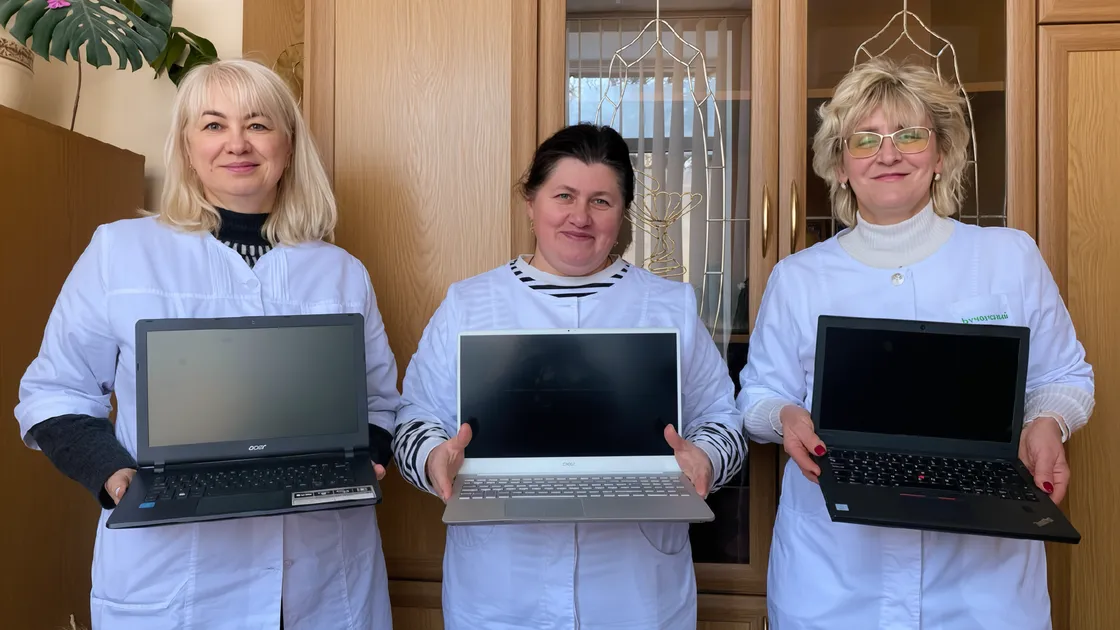
Earlier this month I made a 6,000km round trip from Guernsey to Ukraine and back, in the depths of winter, to take a 140kVA, 1.24-tonne generator and much-needed IT equipment to people at a hospital living under bombardment and blackouts. It was my third trip, by far the hardest, and it left me even more convinced that we must not tire of supporting Ukraine.
Over the previous four years I had built up a small network of trusted Ukrainian friends, civilians, hospital directors, and the National Police, who helped make sure that anything I helped deliver actually reached the people who needed it most.
Earlier trips had already taught me how valuable generators are in a country where Russia systematically attacks the power and heating grid, and how much difference a few items of practical kit can make inside a bare, overstretched hospital.
This time the starting point was a new generator. Guernsey businessman Nick Reid from C8 had sourced another large unit, a 140kVA, 1,240kg diesel genset ‘big enough to power a small village’, which was destined for Odesa. Repeated large-scale strikes on Ukraine’s energy infrastructure meant parts of the country were facing rolling blackouts of up to 20 hours, with health facilities and vulnerable households at real risk of freezing as winter approached. When Nick asked if I would help again, I said yes on the same basis as before: I would act in a personal capacity, pay my own way and simply try to be useful.
On a previous visit, as a volunteer with Friends of Ukraine EOD, I had been shown around a mental hospital for soldiers. The director, Dr Tetyana Ponomarenko, and her team were trying to help men and women carry invisible wounds while the war still raged. Using some of the charity’s funds in country, we had bought small but important things like hair clippers, kettles, a TV, microwaves, wi-fi extenders, just to make their everyday environment a little more bearable. That austere, determined place stayed with me.
Knowing I would be back in Ukraine, I tracked down Tetyana. By now she was directing KNP Buchansky Consultative and Diagnostic Center in Bucha, which combines medical and mental health services for local civilians and military injured in the war. The name ‘Bucha’ is synonymous with some of the worst atrocities of 2022, and the fact that this hospital continues to function at all is a testament to its staff.
I asked the same question as on my very first call to Ukraine: ‘What do you need that I can realistically bring?’ This time, the answer was laptops and smartphones. Staff were handwriting notes, queuing for a handful of shared computers and unable to connect effectively with one another or with patients in the community once they left the hospital building. For a facility trying to track complicated cases this was crippling.
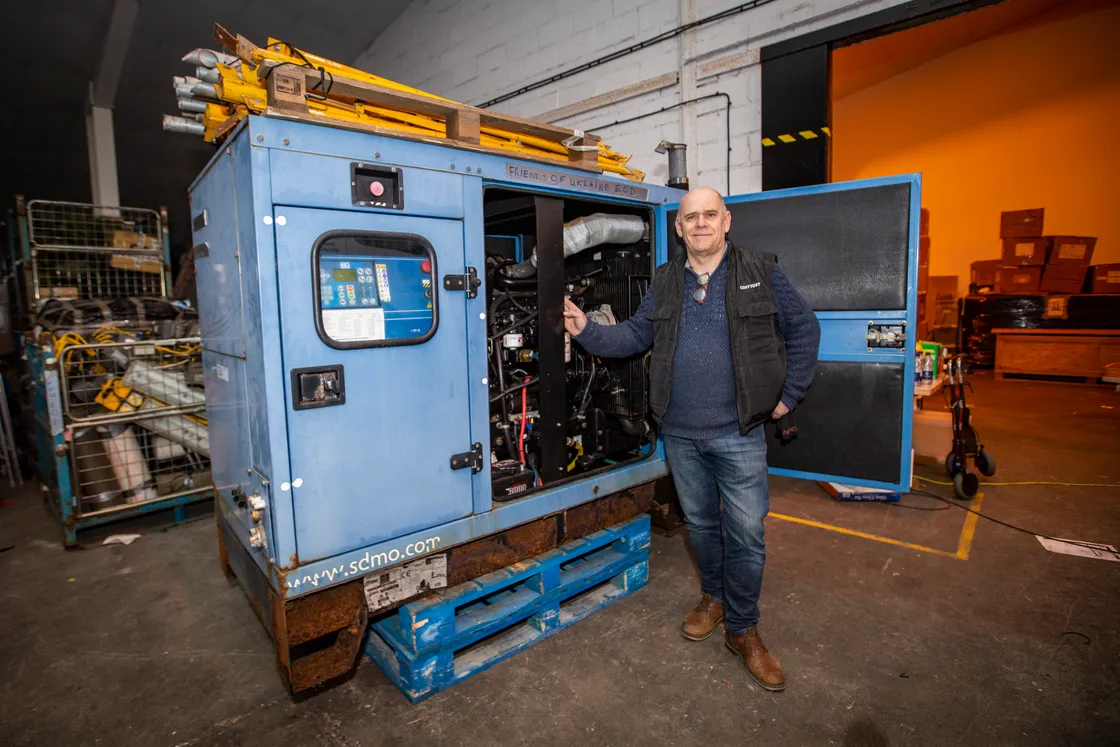
So, I turned, informally, to family, friends and a few business contacts at home. The great people at Sure in Guernsey agreed to a special deal on five smartphones; they would have given them for free, but I insisted on paying something because I am not a charity, and I do this as a private individual not a charity. The Bertrand family, long-time friends, donated three excellent laptops as they had recently upgraded. Another business passed on six laptops following corporate upgrades and family donated baby clothes. Now the trip felt more worthwhile and personal.
We set the dates. I would leave on 3 February and return on 10 February. We booked the ferry. Nick Jenkins, who had driven with me on that very first journey, offered the use of his van, and initially to co-drive again. Then life intruded. At short notice, Nick could only do part of the journey. My ‘backup’ co-drivers fell away. I had a narrow window when I could be off-island; missing it would mean delaying the generator and the hospital’s equipment for months.
I seriously considered delaying. It’s one thing to drive thousands of kilometres across Europe with a mate; quite another to do it largely alone, with a 1.24-tonne generator in the back, in winter, into a country at war. I had made a commitment, though, and did not want to let anyone down.
Nick did an epic drive from St Malo to Berlin, almost without sleep and with an attempted mugging thrown in, just to get the van in place for me. I flew out to meet him. At Berlin airport I spent more than two hours in the passport queue, a small but telling example of the added frictions British travellers face since Brexit.
When I left Berlin, I was apprehensive, but I still didn’t really grasp the strain that the icy drive in Ukraine would take. I rediscovered something about myself: I am not built for long, lonely journeys. I don’t just enjoy company; I depend on it. As the kilometres rolled by, I found myself thinking a lot about lorry drivers, spending most of their working lives isolated in cabs so that the rest of us can buy fruit, fuel and medicines. It’s a sacrifice we rarely acknowledge. I even found myself hoping to see hitchhikers, just for the conversation and company.
The Ukrainians are meticulous with paperwork, especially around incoming equipment. In a system under constant pressure and scrutiny, everything is logged, stamped, and checked. After a day in Rzeszow, Poland, the paperwork was received and I set off for the border at dawn. The plan was to cross quickly and reach Kyiv before the evening curfew.
The border had other ideas. A Ukrainian official spotted that the van’s registration number was wrong on one piece of Ukrainian-language paperwork. That tiny error cost six hours as the forms were corrected, re-approved, printed and re-stamped. Meanwhile, the weather deteriorated, and daylight faded.
I had winter tyres fitted in Guernsey, thanks to Dave at Target Tyres. Dave is a keen supporter of Ukraine and an accomplished aviator; back in 2022 he and friends flew medical supplies for Ukraine to Poland for free in their own private aircraft, which puts my own efforts in perspective. I was carrying emergency supplies, warm clothing and a list of friends in Ukraine who could help if I got stuck. Even so, the drive felt like a Top Gear challenge gone slightly wrong.
Imagine a Ford Transit with a 1.24-tonne generator in the back, on frozen, potholed roads, at night, with heavy lorries and headlights that were barely brighter than a wax candle. I got out of the van more than once just to check the headlights were actually on. Stickers on the lights, designed to prevent dazzling European drivers, cut down the light ahead drastically. My windscreen washer fluid froze despite being rated for low temperatures. Road muck and salt caked the glass; sometimes the wipers were useless and smeared it into a dense fog. I had to stop repeatedly to clean the windscreen by hand with snow.
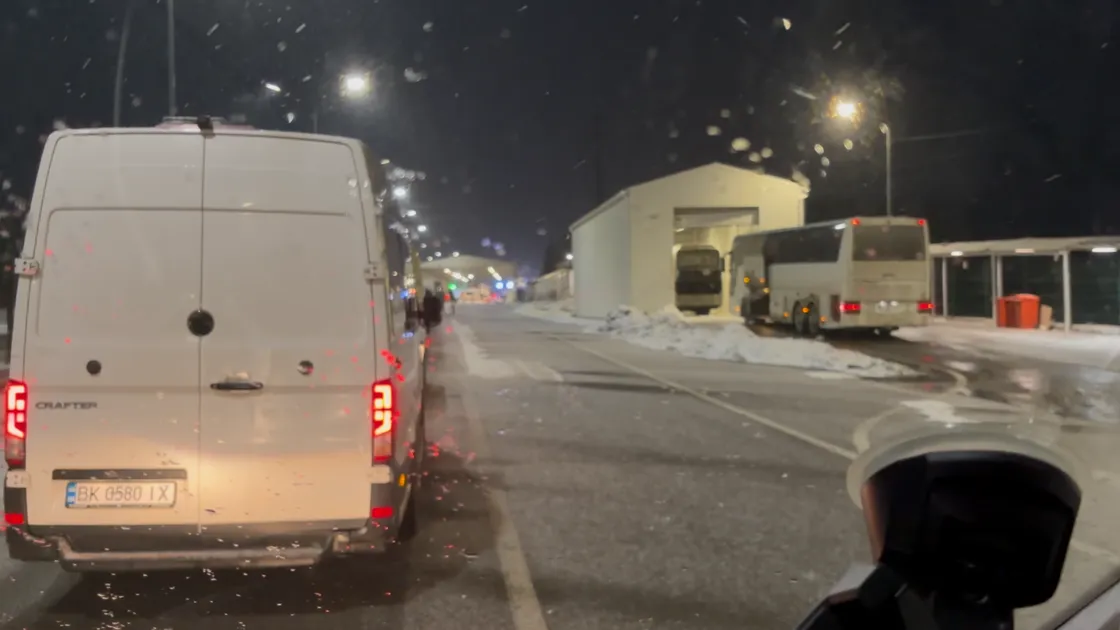
I quickly learned that there are different kinds of ice. On some surfaces I could brake gently from 45mph and feel the tyres grip; on others, anything above 30mph felt reckless. With that much weight behind me, physics was not on my side if I needed to stop quickly. I kept huge stopping distances, crawled through the worst sections and tried not to imagine what would happen if I slid into the path of an oncoming truck.
On a call with my wife, I joked that it would have been very funny to have done the drive with Guernsey icons Inglorious Fishing doing a live broadcast, as they did during the last storm. I doubt anyone would have been mooning along the route this time though...
After about five hours’ icy driving, I was mentally and physically drained. My wife, following my progress from home, found a small hotel in a town called Rivne. I arrived, parked up and fell into bed.
At around 6.30am, the air-raid siren went off. I checked the alert app: two missiles were heading towards Rivne. I could have headed for the shelter, I chose the duvet. Fifteen minutes later, the bed shook twice. I didn’t hear explosions, so they must have been some distance away, perhaps intercepted. It was a strange moment: half awake, warm and relatively safe, while knowing that nearer the front, people were huddled in basements under real attack.
When I got back behind the wheel in the morning, I was rested in body but not in mind. The last 200 miles to Kyiv loomed large. The roads were still icy; my windscreen problem hadn’t gone away. On top of that, the promises I’d made weighed on me. The National Police had brought people in on their Saturday day off to help unload the generator they badly needed. If I missed the early Saturday afternoon slot, I would be delayed until the Monday.
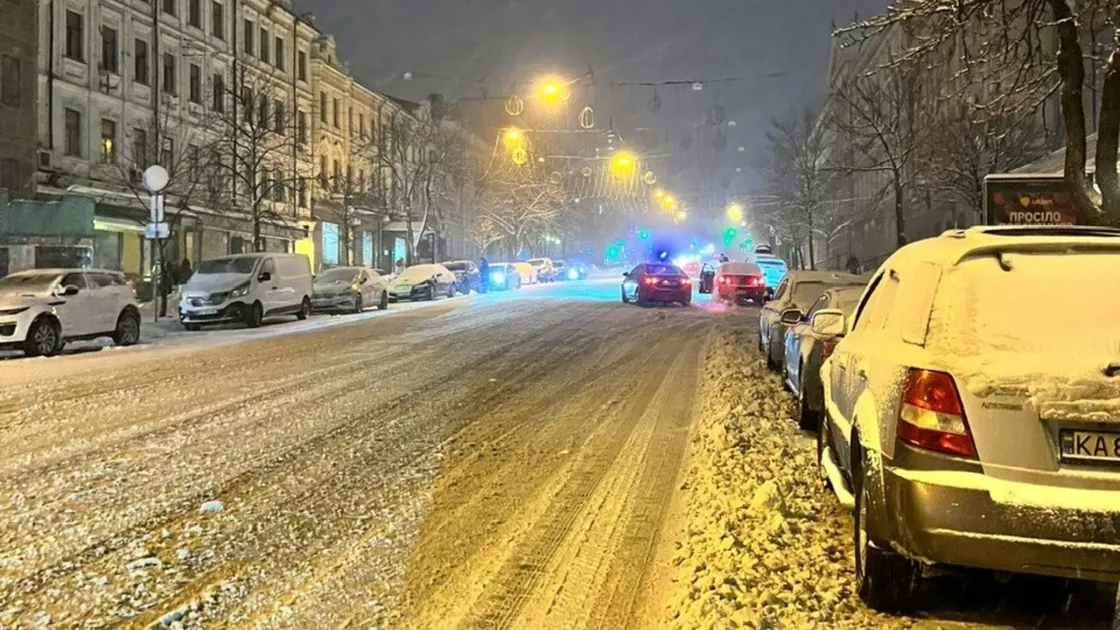
Daylight helped, although I still had to stop regularly to clean the windscreen with snow. As I approached Kyiv, the temperature dropped further, and traffic slowed to a crawl. My estimated arrival time pushed out later and later.
Then, about 50 miles from Kyiv, my GPS stopped working. It may have been some kind of anti-drone or jamming measure; whatever the cause, fortunately I could see I just had to keep on the road I was on.
When you are on your own, there is no one to share the decision with, no one to say ‘We’ll figure it out.’ When I got into the city, I realised I had no chance of finding the unloading point, so I pulled into a bus stop and offered a young man 100 euros to sit in the passenger seat and guide me through Kyiv to my destination. His face lit up and he jumped in.
About 10 minutes from where we needed to be, my Ukrainian police contact rang. He told me he had just seen my van pass him. At first I thought it was a wrong number or a joke. By sheer coincidence, we had driven straight past him walking, and he had recognised the reg number. The three of us – a Guern, a young Kyiv local and a National Police officer – drove the last stretch together.
The facility where we unloaded was a workshop that repairs de-mining equipment. Cameras were understandably not allowed. The young man I had picked up refused any money and thanked me again and again for coming. In the end, I insisted he take 50 euros. He insisted on a selfie with ‘the mad foreigner’ to show his friends.
My friend Mark, the bomb disposal specialist with the Ukrainian National Police, then co-drove with me to my hotel. Mark has Ukrainian parents and was living in North America when the full-scale invasion began. He left his comfortable life and came to help defend his ancestral home. Since then he has trained thousands of soldiers, police and civilians in dealing with mines, booby traps and unexploded ordnance, and has worked with Friends of Ukraine EOD, a Guernsey-linked organisation that supports bomb-disposal work and training. He also spends his ‘spare’ time trying to develop new ways to defeat booby-trap devices.
Over breakfast we talked about peace, and about how many Ukrainians now struggle to believe in any ‘peace deal’ that leaves the aggressor intact and free to re-arm. They have seen too much. We talked about how their military has been forced to innovate, tactics that better protect soldiers’ lives, and then finding foreign armies still demonstrating older, deadlier methods. The lessons Ukraine is learning, at terrible cost, will save lives in future conflicts elsewhere.
I then gave laptops and phones to KNP Buchansky Consultative and Diagnostic Center in Bucha. They were for Dr Ponomarenko and her team. Staff there had been handwriting notes and queuing for access to a tiny number of computers. Field workers going into communities had virtually no way to stay connected with the hospital. For them, the smartphones and laptops were not toys; they were a way to reach more patients, coordinate care and preserve fragile progress in people’s mental health. In the photos and videos they later sent, the joy is obvious, but so is the feeling of relief – now they can do their jobs properly.
When we talked about suffering, one theme kept coming up: cold. Systematic attacks on energy infrastructure mean that Ukrainians face winters of long, daily power cuts, with elderly and disabled people ‘trapped’ in high-rise flats without lifts and entire blocks without consistent heat or hot water. Imagine having a young child with a fever, or recovering from surgery, or being a frail pensioner, when it is below zero outside and dangerously cold inside your home. Doctors on the ground have said bluntly that people can manage without electricity for a time, but not without heat.
The cruelty of that reality is that it doesn’t break people’s will. In many cases, it hardens it. I was shown a picture of a bombed-out apartment block where someone had painted on the outside wall: ‘Here the Russians killed my family. I will have my revenge.’
I, by contrast, went back each night to a hotel with heat and light from a generator. Lying in a hot bath, it was impossible not to feel the disconnect between my temporary, paid-for comfort and the lives being lived around me. The war doesn’t change a basic truth that applies everywhere – having money or connections makes a difference.
In Kyiv, most people have adapted to air-raid alerts. Unless there is a clear, imminent threat, you see people carrying on – walking dogs, commuting, meeting friends for coffee. Mark says he sleeps through most alerts and has never gone to a shelter in Kyiv. That’s very different in cities like Kharkiv or Odesa, where strikes are more frequent and closer to the ground.
Spending time in Ukraine, and talking to the people whose lives depend on whether generators work and clinics stay open, leaves me in no doubt about one uncomfortable truth: the Kremlin is not looking for a just peace, it is looking for time. A regime that has launched this kind of war cannot simply admit defeat and carry on as normal at home; survival in power now depends on keeping the conflict going in some form, or at least on pretending that any pause is a step on the road to eventual victory.
On the ground, you see how that plays out. Missiles and drones keep coming. Critical infrastructure is hit again and again. At the same time, a parallel campaign runs through our media and politics. We are encouraged to believe that Ukraine’s defeat is inevitable, that supporting it is pointless, that the ‘grown-up’ response is to accept a bad deal and move on. The aim is not to persuade Ukrainians, they know what is happening, but to sap the patience of countries like ours, to turn a long war into a long shrug.
‘If we allow ourselves to be talked into thinking that supporting Ukraine is futile, or that ‘both sides’ just need to compromise, we are not being neutral. We are helping to make a calculated strategy work.’
That is why talk of ‘peace’ from Moscow has to be treated with care. If a ceasefire simply freezes Russian gains, allows rearmament and locks millions of Ukrainians into a limbo of occupation and fear, it is not peace in any meaningful sense. It is a different phase of the same aggression, dressed up in language designed to ease international pressure and reopen business as usual. The people I met from Bucha, Kyiv and Odesa understand this instinctively. They are desperate for an end to the killing, but they also know what it would mean to live next to an unreformed aggressor that believes time and fatigue are on its side.
From a distance, it can be tempting to see the war only as a stalemate. On the ground, and in the wider map of Europe, something very different is happening. The invasion that was meant to break Ukraine and intimidate its neighbours has instead pulled Europe closer together, pushed neutral countries into Nato and forced governments to take defence and resilience more seriously than at any time since the Cold War. What was supposed to expand Moscow’s reach has, in practice, shrunk it. Kyiv is not losing the real war, but thanks to Trump and Putin it is losing the war of misinformation.
That is part of the Kremlin’s dilemma. Admitting that the war was a mistake, or truly accepting a settlement that respects Ukraine’s sovereignty, would be hard for any regime built on strength and fear. At the same time, openly conceding defeat would risk its grip on power at home. So we see a middle track – constant talk of possible ‘deals’ or ‘negotiations’, not as a way to end the aggression, but as a way to ease pressure, divide allies and encourage the rest of us to live with a frozen conflict while Russia regroups.
It is important to separate those political games from the actual balance of the war. After years of fighting, Russia has paid a staggering price in lives and material for very modest territorial gains. Its economy is straining under high inflation, high interest rates and the demands of a permanent war footing. Countries that once stayed carefully in Moscow’s orbit are edging away. That is not what success looks like. It is a reminder that Ukraine is not doomed, that solidarity has real effects, and that the only way this war becomes a ‘victory’ for the Kremlin is if we talk ourselves into believing that helping Ukraine is no longer worth the effort.
For those of us sitting in warm houses in Guernsey, this matters because we are part of the audience Russia is targeting. If we allow ourselves to be talked into thinking that supporting Ukraine is futile, or that ‘both sides’ just need to compromise, we are not being neutral. We are helping to make a calculated strategy work. Every generator that keeps a hospital running, every donation that helps a bomb-disposal team train safely, is a small but concrete refusal to accept that story.
Once the generator was unloaded and the equipment handed over, it was time to go. Heading back to Poland, the cold was even more intense, but the van was now empty and I had daylight for much of the journey. Even so, I saw around 10 accidents, including two cars crashing separately right in front of me and a bus smashing into the central barrier on the opposite carriageway.
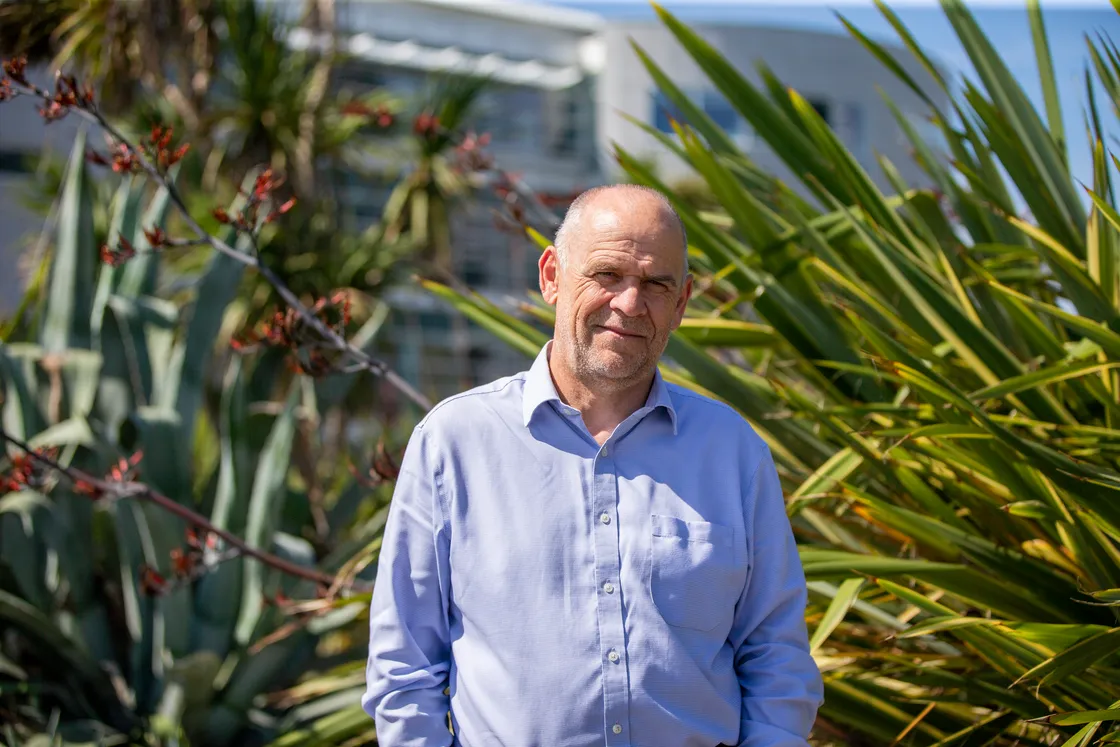
All the while, my mind churned. Was I doing the right thing by driving back alone again? Was this courage, or stubbornness, or stupidity? I wrestled with that question for hours, long after the border guard stamped my passport. Even with a three-hour delay at the frontier, I pushed on from Kyiv to the Polish side in a single day, then on to Hanover, Bruges, St Malo and finally home on 10 February.
By the time I got back to Guernsey, I was exhausted and concluded I am too old for this type of marathon. There are many people to thank: the Nicks, Mark, Dave at Target, Brittany Ferries, my Ukrainian friends, those who quietly helped with goods or services. Both Nick and I paid our own travel and accommodation and Nick provided the van that we could not have done without.
One day, I hope to go back to Ukraine with my wife, not in a van full of kit but on an ordinary holiday, to sit in a cafe in a peaceful Bucha or Odesa, to meet the friends I’ve made, and to see a country that has survived the worst and rebuilt.
In WWII the Germans invaded and occupied Guernsey. Our parents and grandparents knew what it meant oppressed and living in fear. They remember forced labour, deportations, hunger and the quiet fear that came with every knock on the door. Even those of us born long after the Occupation grew up with those stories. They are part of being a Guern.
That experience does not make our suffering identical to Ukraine’s, but it does mean we cannot pretend not to understand what invasion and oppression feel like. When Ukrainians say they will not accept being ruled by those who bomb their cities and write their families out of existence, we should recognise something of ourselves.
Until the day Ukraine is free and rebuilding in peace, I have one request of readers in Guernsey: please do not grow tired of this cause. Support reputable Ukraine charities where you can, whether that’s an organisation here in the island, a medical appeal, a bomb-disposal charity or a fund that buys generators and stoves. The war has been long, and it may go on longer. But for people facing another winter of blackouts, cold and fear, the difference between ‘We’re still with you’ and ‘We’ve moved on’ is measured not in headlines, but in heat, light, and in the knowledge that another small island, with its own memories of occupation, has not looked away.
The route
Guernsey to St Malo, by ferry with Brittany Ferries, who kindly supported the trip, thanks to Ian and Paula. Lucas Freight, with help on export paperwork. St Malo to Berlin, driven by Nick Jenkins (around 1,500km overland). Berlin to Rzeszow, Poland, driven by Marc Laine (around 900km).
Rzeszow to Rivne, Ukraine, Marc (around 350km). Rivne to Kyiv, Marc (around 320km). Kyiv to Krakow, Marc (around 860km). Krakow to Hanover, Marc (around 950km). Hanover to Bruges, Marc (around 550km). Bruges to St Malo, Marc (around 650km). St Malo to Guernsey, return with Brittany Ferries (around 120km by sea and road).
In total, the journey came to roughly 6,000km of winter driving and crossings, much of it alone.
Special thanks
Lucas Electrics, for fitting in a last-minute repair to the windscreen wipers so the van was safe to drive. Sure, for providing an exceptional deal on smartphones for the hospital staff in Bucha. The Bertrand family, for donating high-quality laptops. Stuart Moseley in Jersey, for six reconditioned laptops that will keep serving long after their corporate life. Dave at Target Tyres, for supplying the winter tyres that proved essential on frozen Ukrainian roads. Nick Jenkins, for the van, the marathon drive to Berlin, and unwavering support. Nick and the team at C8, for sourcing the 140kVA generator and backing the project from Guernsey. And to everyone else who helped, or quietly made something happen behind the scenes, thank you.

You need to be logged in to comment.