While waiting in the wings of Beau Sejour theatre on the final Friday night of the Eisteddfod, minutes before our class was due to begin, one of my fellow competitors pointed out a potential problem. There didn’t appear to be enough volunteers present for one to be available to operate the curtains between our performances.
It was almost time for the Dramatic Character Study, 18 years and over class and the adjudicator was in her seat, the speech and drama coordinator beside her with his stopwatch to ensure we didn’t bust our five-minute limit, and the announcer was preparing to summon Gavin McQue to the stage, who would be followed by me and then Nikki Becker.
Nikki’s solution was for the three of us speedily to swap details of what our closing lines or actions were, show me where the controls were for the curtain, and tell me how to use them – Gavin was already au fait.
I was keen to get a good view of Gavin’s performance because he was acting out a scene from a recent MTG production in which we had acted together, but playing the part of the third actor, which I hadn’t seen him do before.
As he got right into the throes of the piece, peaking in intensity as an American hostage incarcerated in Lebanon, he turned to his left to berate his imaginary captors and was suddenly looking perilously close to my eye line. It was like that moment in a pool match when you realise you’re standing right in the line of sight of your opponent and freeze, in case any movement puts them off. He didn’t seem at all thrown, happily.
Moments later, Nikki was closing the curtains as Gavin received his applause and I then went on to do my scene from Kerry Drumm’s play Brothers. I said a few words of introduction, took up my starting position and Nikki opened the curtains. About four minutes later, right on the arranged cue, she closed them again, and then it was my turn to do the same for her.
As I watched her performing a scene from MTG’s next production – Peter Shaffer’s Equus – I suddenly panicked about whether I had remembered her closing line correctly. I could ask Gavin, who was next to me, but she might hear the whisper and be put off, or I might miss her saying the line. So I waited. But what if there was another similar line and I pushed the ‘close’ button too early? I could ruin the poignant ending of her whole piece.
Happily, such is her storytelling prowess that I could not have mistaken the ending even if she hadn’t told me the last line, and it all went perfectly well before the three of us collected our things from the dressing room, took our seats in the front row and awaited the adjudicator’s comments and scoring.
Why have I spent 500 words telling you this?
Because it is an example of the mutually supportive environment that typifies the adult speech and drama classes of the annual Eisteddfod Guernsey event. Performers go head-to-head in class after class for six nights straight, competing for gleaming trophies that have crests on them dating back – in some cases – to the 1920s, and which are treasured and displayed by those who are awarded them. And yet there is no hint of envy or competitiveness anywhere to be seen. If any one performer asks another for advice or words of encouragement, they will not be disappointed. The whole point seems to be to lift each other to a place where we all impress the adjudicator and the whole point of the adjudication seems to be to enable us to be better the next year. I’m fairly new to all this but apparently it’s been this way for many years.
This year’s adjudicator, Rebecca Thompson, bore witness to this camaraderie during the whole week before handing the ‘Spirit of the Eisteddfod’ trophy jointly to all 11 of the adult performers who had entered a certain number of classes.
‘I’ve been so impressed with the way they obviously know each other and they’re inspired by each other artistically,’ she told me.
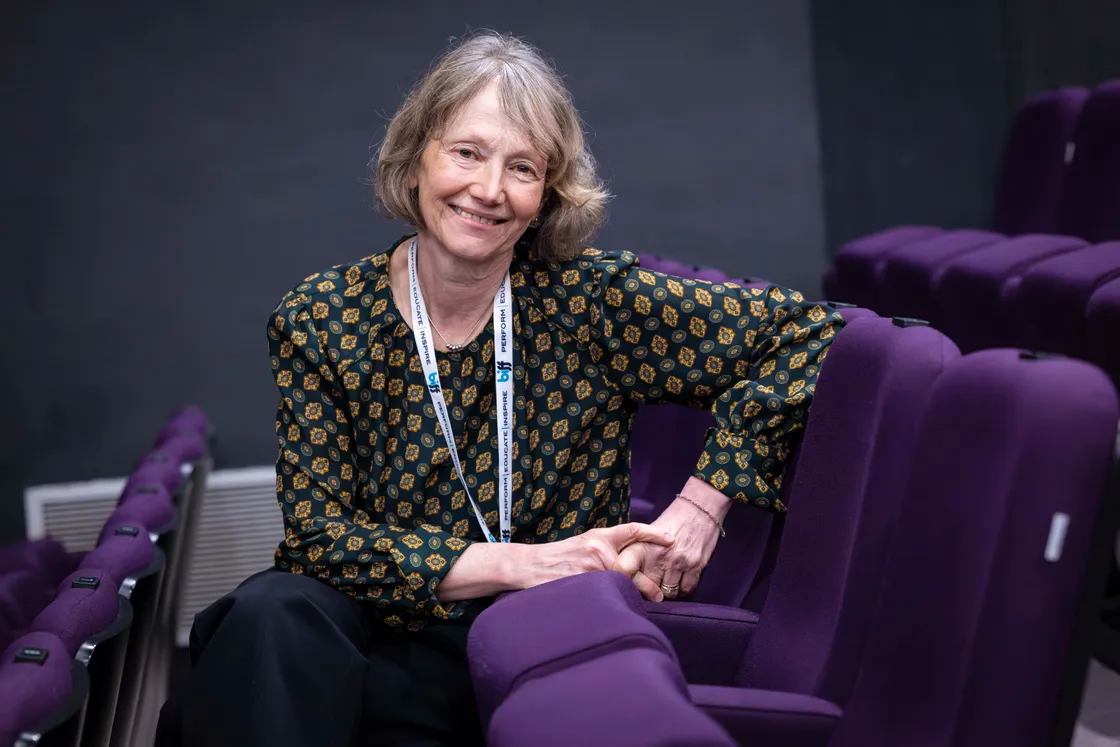
‘I think as you get older, making yourself vulnerable in a performance context is harder, and they’ve been supportive when maybe some have struggled a bit, they’ve applauded each other, they’ve praised each other and when the Eisteddfod committee talked about the spirit of the festival, I thought THAT is it.’
She admired, she said, the willingness to ‘step out, find their creativity, take feedback and improve, while having fun’.
So far, so bonhomie.
But there is a downside to all this. At least, I think so, and that’s why I wanted to write this piece in the first place.
You see, there were originally six people in that character study class. One pulled out through illness and another two didn’t show up. I can totally relate to a last-minute exit – nobody wants to dry up on stage because they haven’t had time to learn their lines properly, even before the most encouraging audience.
But without that core of 11 people, many trophies would not have been competed for. And none of us are getting any younger.
You have hundreds of children taking part in acting and choral speaking classes all morning and afternoon and dozens of teenagers taking part through a number of acting schools, but then there’s a precipitous cliff in the demographic – an abyss from which few seem to emerge until post-kids.
Ok, I’m a hypocrite on this. I first appeared on the Beau Sejour stage for a speech and drama class at the age of 52. But as the final trophies were handed out in front of an audience of about 100, I found myself hoping that next year I’d be among a dozen in each class, instead of two or three, and that there would be some new faces we could welcome into the fold.
If even half the people I’ve acted with on one production or another over the last six years would enter two or three classes, that could double the numbers.
‘I think it’s a really safe way of stepping out in a performance context and there’s such a range of classes,’ Rebecca said.
‘You can do prose reading or learn something off by heart, you can do mime, you can do musical theatre, and you’ll find like-minded people who will back you and then get a little bit of feedback. Whatever age you are, you’ve got something to bring for us all to listen to and be entertained by.’
And here’s the thing – it’s really not an event just for the people who have trodden the boards already.
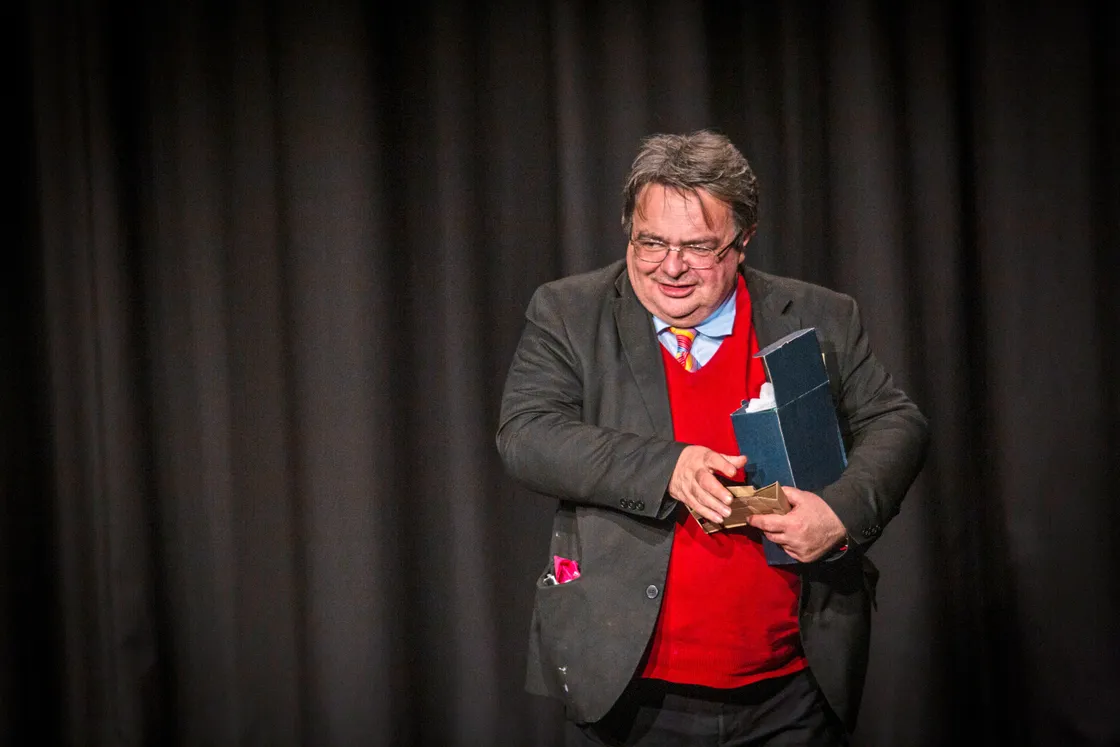
I took the plunge and entered the Reminiscence class for the first time this year, which requires you to get up on stage and tell the story of something you recall from your own experience in four minutes or less. Think Ronnie Corbett in his producer’s chair, but with more brevity. I unashamedly told the story of my most memorable visit to a Glastonbury Festival toilet, which dramatically lowered the tone. But I came away convinced that if you were to trawl around Guernsey’s remaining pubs, you’d find someone in each who was capable of taking the Freda Wolley Cup with no more preparation than a couple of sharpeners at the bar. And it fascinated me that Rebecca said she had never come across, in her 20 years of adjudicating, a reminiscence class – so that makes it, in my book, a potentially unique Guernsey tradition.
Suitably inspired, Eisteddfod Guernsey chairman Owen Cole even told the audience on trophy presentation night that he intended to enter the class next year – an announcement that was immediately greeted with a cheer loud enough to act as a sort of collective ‘We’ll hold you to that’.
I accosted him immediately after the event came to its conclusion.
‘It just occurred to me this week that – in the speech and drama section particularly – there’s something for everyone,’ he said.
‘Whether or not they’ve done anything like this before, there’s a class that anyone could get up and participate in and – most importantly – enjoy. I’m going to give it a go next year.’
And he was clear as to why the event would benefit from a new influx.
‘We’ve got a lot of regulars, which we’re very grateful for, but we do need new faces, both young and old. And particularly adults, because the children come through with their schools and their teachers but for adults it can be a bit more daunting getting up on stage – and this is such a friendly environment in which to perform and show what you can do.’
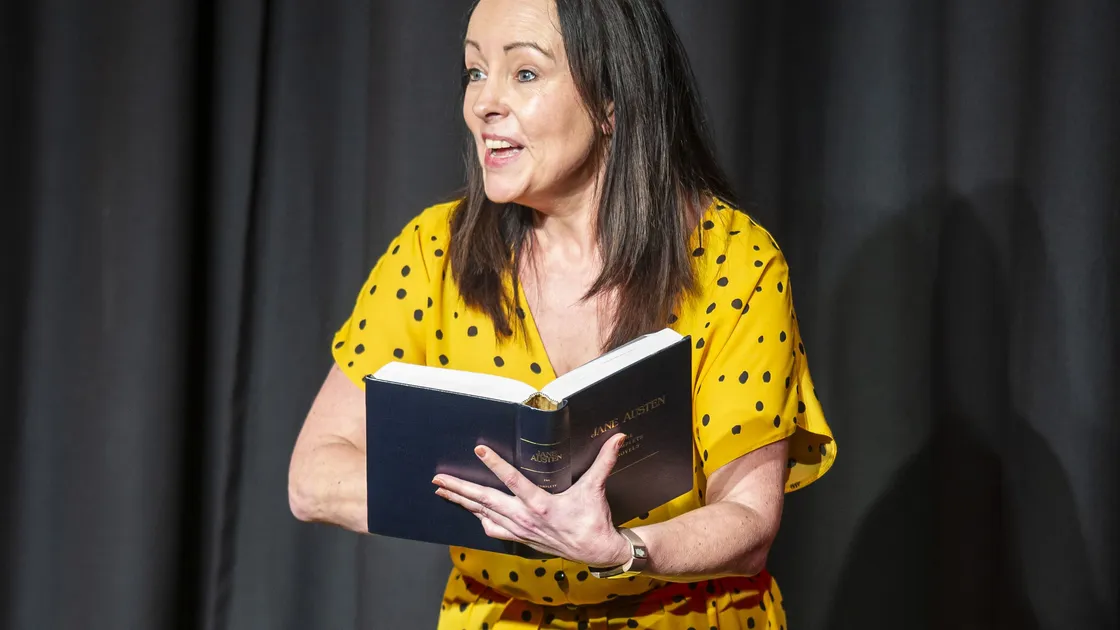
A call to arms then, to anyone who might be ready to give it a go. But who might they be? Well, for example, there must be hundreds of parents who really relish story time – whose kids love it when they ‘do that voice’ – who would absolutely boss the Prepared Prose Reading class. That’s a class where you choose a passage from a book and read it out from the stage. No line learning, no sword fighting, no grease paint. In this year’s class, which featured readings from Jane Austen, JK Rowling and Jeremy Clarkson among others, an elderly gent seated behind me commented – rather more loudly than I think he realised – ‘It’s just people reading from a book’. And he was right. But there’s an art to that, and it still requires a person to get up on a stage and, in Rebecca’s words, ‘put themselves out there’. And at the end, there is praise, advice for improvement, a warm round of applause and – best of all – the chance to meet and compare notes with others who have put themselves through the same experience.
I can think of a dozen or so of my work colleagues who could swan into a few of these classes and do well. And then there are all my fellow tour guides on the island – storytellers by trade, they’ve got a head start.
But everyone has to start somewhere. In fact, I remember – after doing years of research – having to do my first guided tour. Dozens of people were milling about, having paid their £5 to me in cash, waiting for me to start. And I suddenly wondered if I could do it at all. I was petrified. I decided to pretend to be confident – and it worked. Only later did I realise that there’s barely any delineation between confidence and fake confidence when it comes to performance – and then it becomes a flick of a switch.
So, what is my call to action at the end of all this?
Well, if you’ve any inkling at all that you might ever get a kick out of being on stage – or even a kick out of having been on stage – or if you think it might help you in some other realm of your life, come along next year and watch. The tickets are pretty cheap and basically just cover costs, after the money has come in from the 20 or so sponsors. And the quality of what you see – and I make no apology for saying this – will be variable. Some performances will be worthy of the West End. Others will be from people who are struggling a bit with certain aspects like confidence, articulation or volume. But these are the ones that might inspire you to realise that you are ready to give it a go, ready to enter the nurturing environment of the putative performer.
So I hope to see you there in 2027, in the audience or on the stage. Or, indeed, operating the curtains. I can show you how, now.
The 2026 Guernsey Eisteddfod Gala Concert, featuring selected acts from the music and speech and drama sections, is tonight, 7pm at Beau Sejour Theatre. Tickets available from www.guernseytickets.gg
Why they do it
A few words from some of the joint winners of the Spirit of the Eisteddfod award, about what they get out of taking part in the festival
Nikki Becker said it begins with reading through the syllabus and deciding which classes to do.
‘How could I challenge myself, which classes would show off my skills the best, what would I enjoy doing the most?’
She then chooses the pieces she will perform in those classes, ‘spending a peaceful couple of hours in the library reading through books of poetry, books of plays and searching online for suitable monologues’.
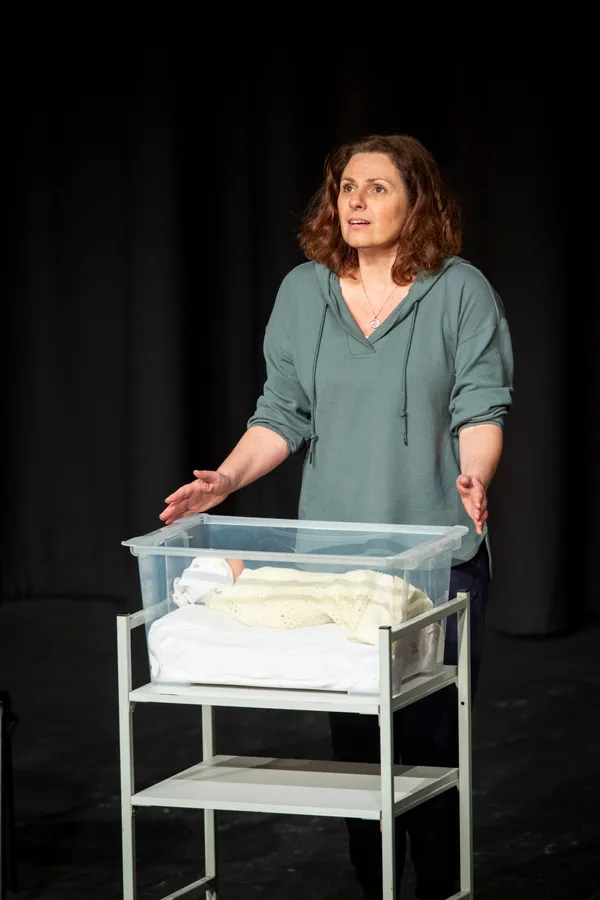
She enjoys being self-directed, with ‘no director, no teacher telling me how to do it – using my own interpretation and knowing it is totally all my own work’.
‘On hard days,’ she says, ‘when I am physically struggling to function, I can still lie down and learn and practice pieces. Possibly writing things for next year too. With all my health issues, drama is the one thing I can still do and enjoy.’
As for that camaraderie, ‘Watching others perform in the Eisteddfod is lovely and you learn so much from them – for me, watching the adult classes teaches me so much’.
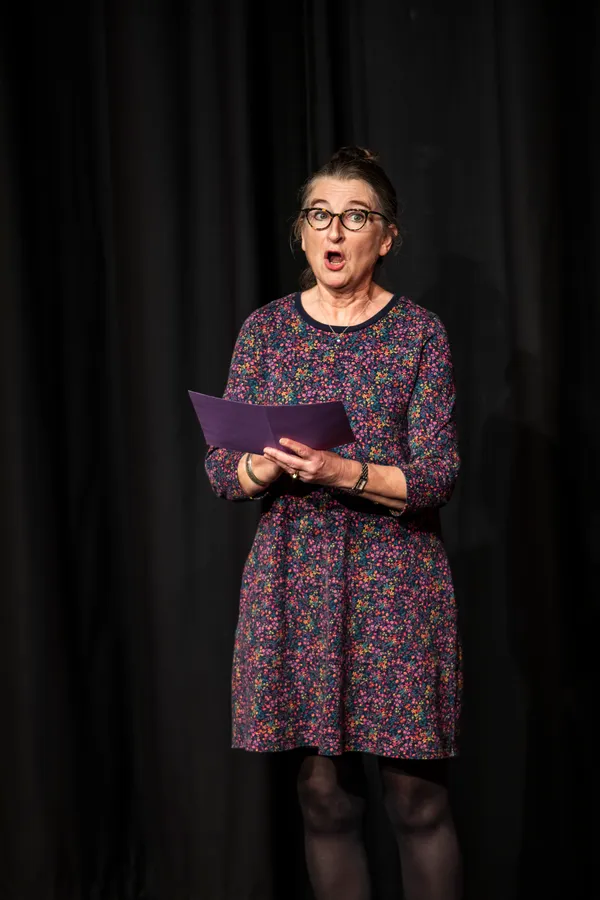
‘Performing your pieces is such a huge buzz,’ she concludes, ‘from the pre-stage nerves, to being up there and sharing all your hard work, as well as being someone else for those few minutes, to the feeling of achievement when you get to sit down and listen to the adjudication.’
‘Eisteddfod continues to challenge me and delight me, and terrifies me a little too!’ says Joy Liggett.
‘As an adult performer it’s more about aiming to deliver my personal best rather than winning, but of course, to receive a trophy is the icing on the cake. For the committee to recognise the level of camaraderie within the group of adult performers is such a lovely gesture – shared experiences, shared successes, shared disappointments when words are forgotten or stumbled over as nerves take hold. Performing means so many different things to so many people. Why do I do it? Just to prove to myself that I still can!’
‘I enjoyed poetry recitals as a child and entered in a couple of eisteddfods at the Little Theatre through Castel School,’ says Sandra Martel-Dunn.
‘Shaun Winterflood was also around and excelling in those days. I was fortunate to win the Rotary Cup one year. Fast forward 50-odd years and I decided to enter again.’
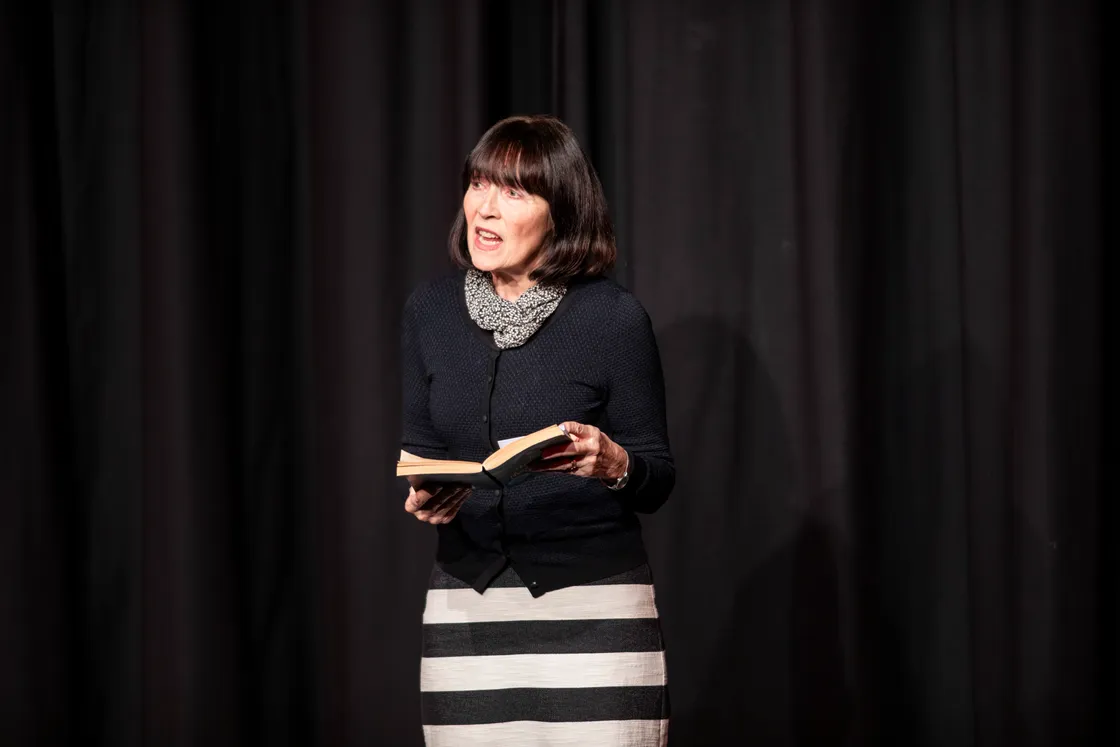
Sandra admits that she struggled with ‘menopause fog’ and being a bit intimidated by some ‘revered company, with Joyce Cook, et al’ which put her off for a bit.
‘Then, about four or five years ago, I realised what “prepared” readings meant! So I gave it another whirl. I was encouraged by the adjudicator’s comments at that time and determined that I would just keep at it, which I have. I still get incredibly nervous and didn’t eat before any classes this year but again I was thrilled with my results, though I still suffer from imposter syndrome. I would dearly love to concentrate on a character study one day. I love Alan Bennett and also a bit of raw emotional dialogue. If only there were workshops for older geezers to give confidence and direction.’