Peter Gallienne never got to see his dream fulfilled. Nor did the Dobrees live long enough to witness their personal gardens go public.
At nine o’clock on a Monday morning May 1926, Beau Sejour recreational park opened its gates for the first time, Doreen Gallienne, the surviving daughter of the long-serving St Peter Port official who had pushed so hard for the former Dobree domain to become the island’s first outdoor sports centre, officially opened the island’s new ‘toy’, one which has served us so well and continues to do so.
A century down the line we can celebrate the truly marvellous Royal Court decision to acquire the land and then hand it over to the States free of any charge.
From day one, Beau Sejour has catered for a wide variety of sports and, initially, served the two Intermediate schools down the road at Rosaire and Brock Road.
And where would we be without Beau Sejour in a broader sense, not simply the leisure centre which, coincidentally or not, came along exactly half a century later in 1976.
A lot poorer, is the answer.
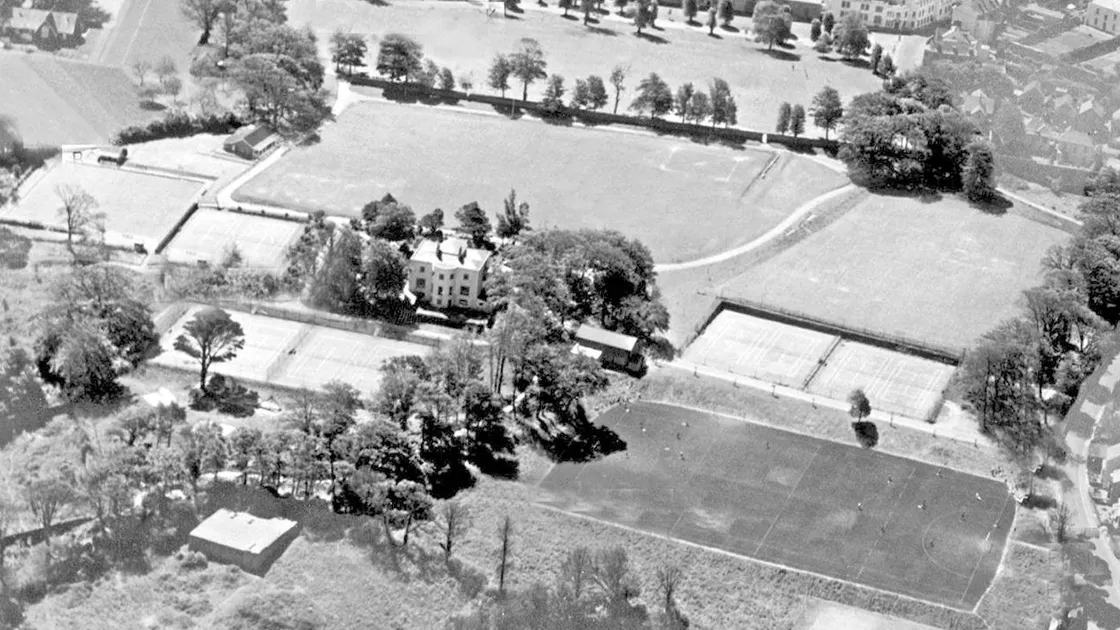
When Beau Sejour first opened that early summer 100 years back islanders immediately got a range of tennis courts when the sport was a whole lot more popular than it is in modern times.
The grass playing fields would have to wait until 1927 for first use, but the estate was now free for islanders to roam.
In no time a superb bowling green and putting green were added, next to tea rooms with a glass-covered verandah and with the green along came the Guernsey Bowling Club, the first of its kind on the island which, next year, will mark its own centenary.
Beau Sejour was originally part of the wide L’Hyvreuse estate owned by the Le Marchant family and the old house was circa 200 years old when pulled down in January 1976 to make way for the leisure centre.
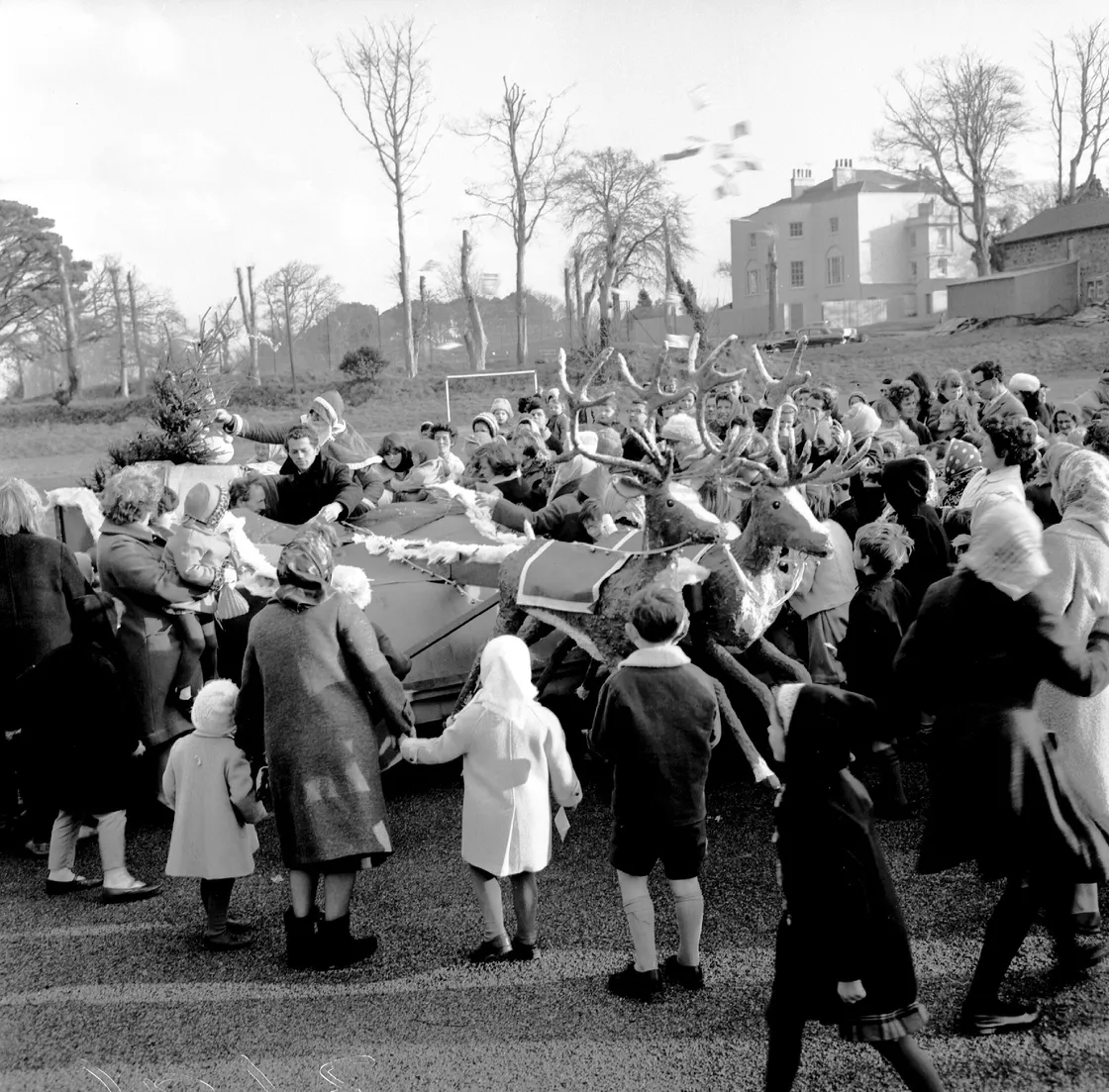
In the distant past it was the seat of Harry Dobree and the Dobrees, or their heirs, who stayed in possession of it until 1912, when it was handed over to the Royal Court.
The intention was to benefit public need and even then it was seen as being the focus of a recreational area. It was around the time of the First World War that the area was ceded to the States but, largely due to the war, it was let to the Blad family and the blind Sir Lionel Cox.
Finally, in 1923, a States committee was appointed under the presidency of Jurat J Alles Simon to consider its long-term future.
The following year, part of the property was ceded to the parish of St Peter Port and it was thanks to Peter Gallienne, secretary to the parish’s Cambridge Park Committee, that a football pitch, land for three tennis courts, a bowling green and a buffet were added to the amenities.
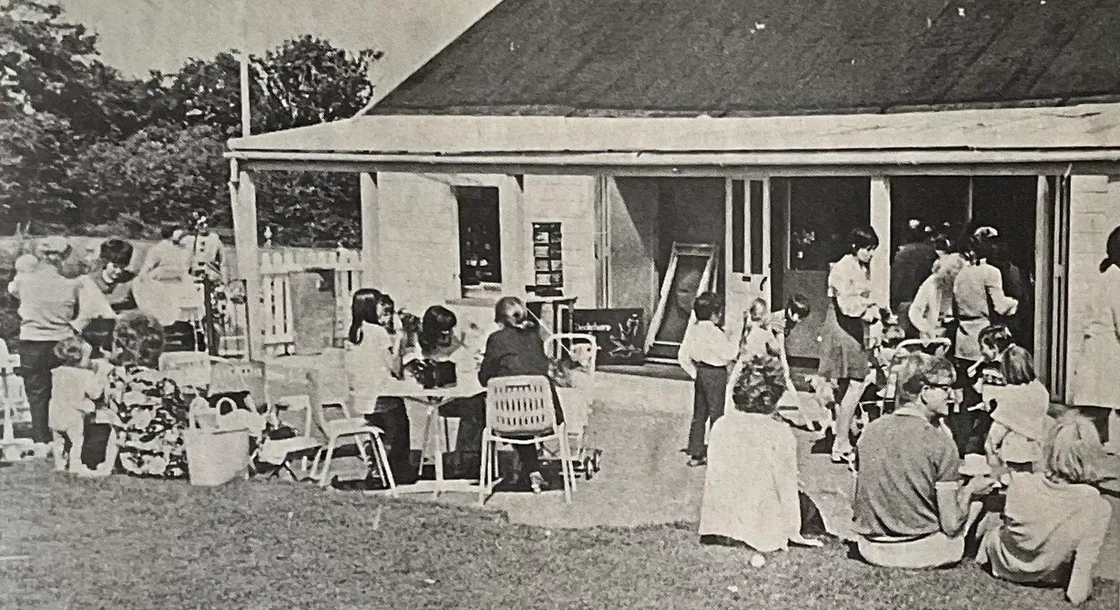
All along, a condition was that the parish should maintain the land as a sports ground.
At the same time the States retained part of Beau Sejour to operate a hockey pitch and tennis courts.
Beau Sejour House was ceded to the parish in 1936 and it was administered by the States Homes for Workers Committee.
Between the two wars it was considered to turn Beau Sejour into the site of a mixed intermediate school and an experimental station was another proposal, as was a children’s home.
Neither big idea came to fruition, which is just as well.
Softball, and the baseball that preceded it, has found a home at ‘Beausie’ for eight decades and more.
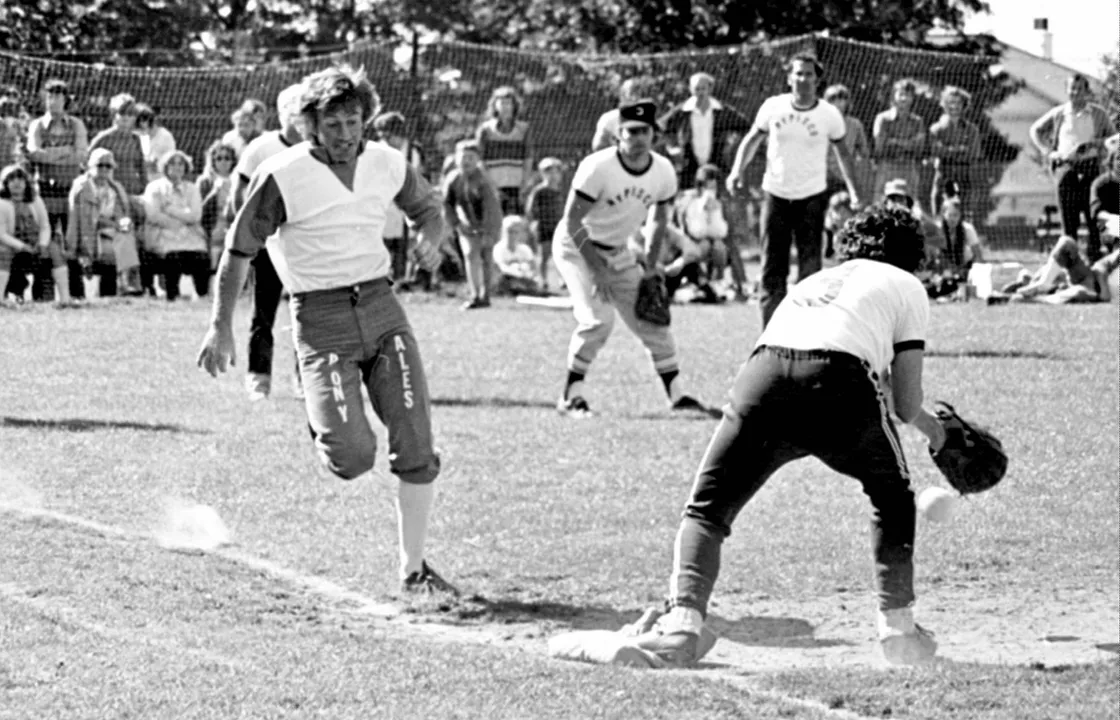
Generations of softballers and the sport’s loyal followers would bring the big field to life virtually every summer evening, until the game lost its wider appeal.
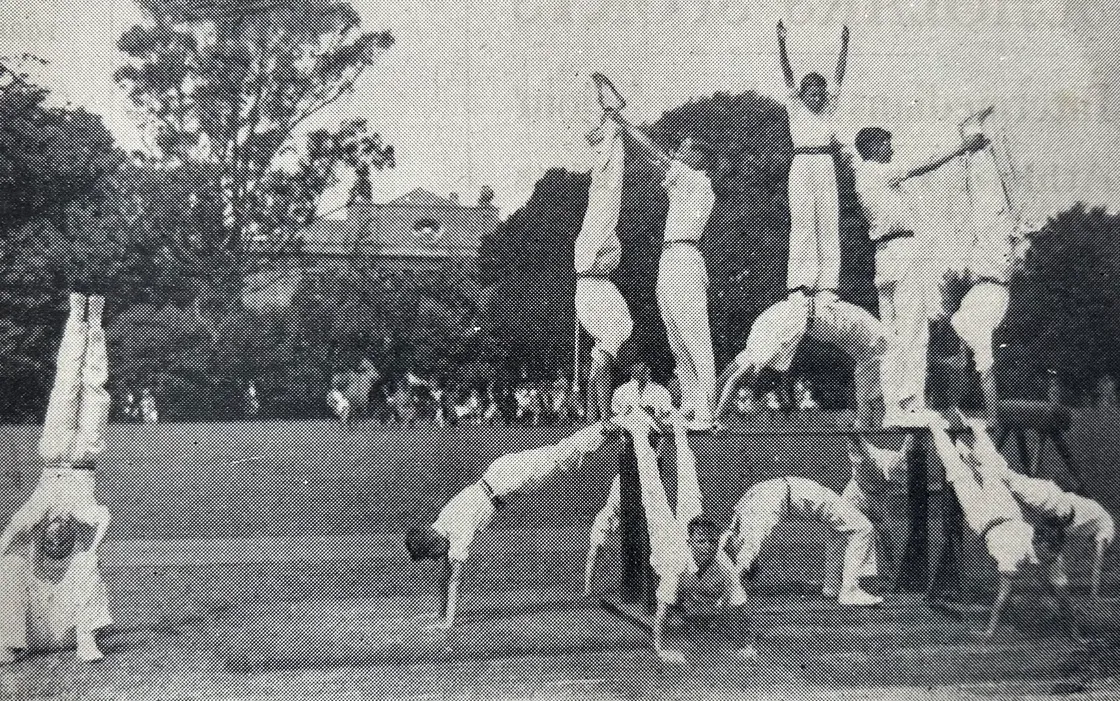
That same upper field, dug up for potatoes in the Occupation, would stage many a football match and in the Boys’ Intermediate days feature spectacular tableauxs.
Meanwhile, down on the smaller lower field, the Girls’ Intermediate would play their hockey matches and who, of that era, could forget the large all-weather stone surface that would leave many a player with nasty grazed hands or knees.
Then, after half a century of cosy existence and now with 10 tennis courts in place, Beau Sejour was transformed again.
Down came the old house, up went the leisure centre, the all-weather pitch became a car park, the popular public buffet was flattened and both the original bowls green and at least one set of tennis courts re-sited.
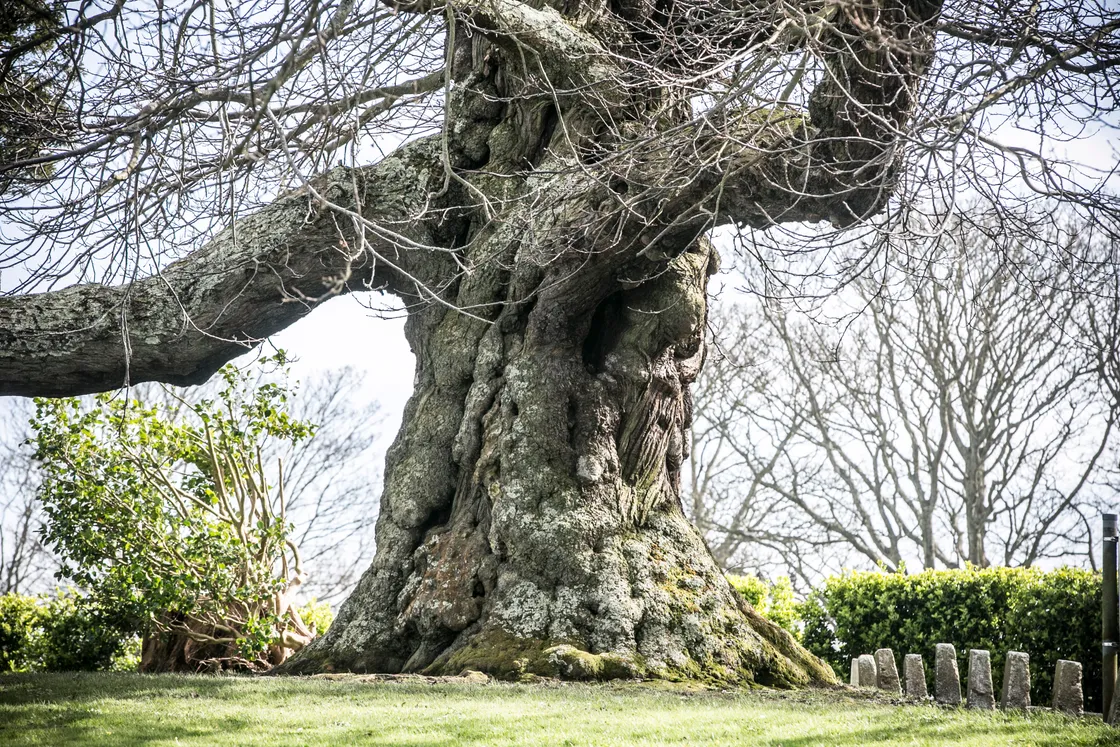
All the while, a couple of magnificent oaks probably pre-dating even the Le Marchants and Dobrees, have survived all the changes, albeit minus a few storm-damaged limbs.
Those gnarly old oaks remain at the heart of the grounds and the day they finally succumb will be a sad one.
Buildings can come and go, upgraded and altered, but the oaks still say something about old Beau Sejour, long before Miss Gallienne swung those gates open.
Happy centenary Beau Sejour.