Stroll through a vineyard of chardonnay grapes as they approach full maturity and pick a couple. Suck the juice from them (always spit out skin and pips when trying to assess a grape’s quality as they taste very bitter).
Even if you happen to have been given permission to stroll through a Burgundian grand cru vineyard you may find that the juice doesn’t taste of much at all.
Yet, chardonnay is considered by many to produce the finest white wines in the world – and certainly the most expensive.
I once read that a chardonnay-growing grower has more than a 100 options he or she can take – all of which will affect the final taste of the wine to some degree.
So while great wine may be made in the vineyard, it is down to a winemaker to coax and nurture those characteristics and to put their own imprint on it.
First of all they must decide on which material the fermentation vats are going to be.
They are, most commonly, stainless steel, concrete, epoxy-lined concrete, small oak casks or larger older oak vats and finally clay amphora. All will affect the flavour.
Stainless steel does not impart any flavour at all on the fermenting juice and is commonly used for white wine making where the winemaker wants to emphasise the fruit and freshness in a wine. Stainless steel is also easy to keep cool and cool temperature fermentation (around 14 degrees) is what a winemaker wants when producing a fresh crisp white like sauvignon blanc or pinot grigio for instance.
Concrete and epoxy-lined concrete is what winemakers use when they want to allow a little oxygen into the wine without affecting the flavour greatly. They may also be used because stainless steel vats are expensive – concrete is a lot less painful to their bank balance.
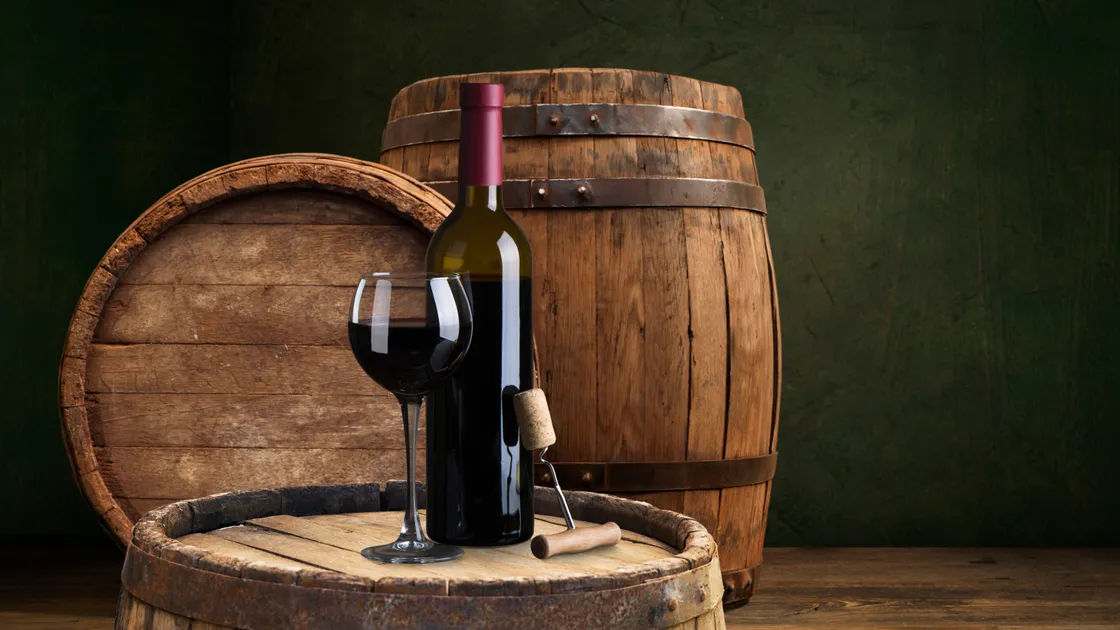
Small oak barrels are what impart the most flavour on a finished wine but they are also the most expensive option (a barrel is around 500Eu when new and you get around 300 bottles out of a traditional small barrel). For this reason they tend to be used by winemakers whose wine is at the upper end of the market and designed for long keeping.
Other types of wood can be used but French oak is generally believed to impart the sort of flavours winemakers try to achieve at the fine wine end of the market.
I once visited, along with a few UK wine merchants, a French cooperage in the Napa Valley in California. They gave us around 15 different glasses of red wine to taste blind and to put them in our order of preference.
It was only after they had done this that they told us that the wine in all the barrels was exactly the same (Duckhorn merlot) and that the only difference was the oak regime they had used.
Should a winemaker decide to use small oak barrels, he or she has then to decide whether to ferment and or age in new barrels or to use barrels that have been used for two or three vintages prior to the current one. A new barrel will impart more flavour than a three-year-old one. After five uses a barrel will not impart much flavour at all.
He or she may decide to use a mix of new and used barrels to get the balance of oak correct – the idea is for the oak flavours to be in balance with the fruit, acidity and tannin in the finished wine. Although oak flavours may be very obvious just after a wine has been made, when a wine has reached its drinking window it should have melded into the fruit and acidity and not really be noticeable.
To my mind a winemaker who uses too much oak is like a chef who uses too much salt. It should be there to enhance the other flavours not to dominate them.
Should they decide to use new small barrels though, they have a whole myriad of choices left to make.
Initially they must choose between oak derived from French forests or from American ones. American oak has a much larger pore and imparts more flavour. It is often used in the Spanish wine Rioja (both red and white) – if you have ever detected the flavour of desiccated coconut in Rioja that flavour is derived from the American oak used in its production.
French oak tends to impart flavours of coffee, cedar or toast.
If they go down the French route though, first of all they must choose which forest the oak comes from – different forests produce oak with different characteristics. Then they must decide which cooperage they want to buy the barrels from.
When barrels are made they are fired as the staves are bent into shape. The longer the stave is over the fire the more it is toasted. Winemakers are able to choose between, light, medium or heavy toast. If you look at the end of a barrel you may see the initials LT, MT or HT to indicate how much toasting the barrels have received.
A grower making grand cru white burgundy may choose a heavily toasted barrel, a grower making big bold shiraz may do the same. A delicate red grape like pinot noir may be best with a lightly toasted barrel.
Vintage variation may also affect which type of barrel they choose – a cold wet vintage where the juice is quite dilute may necessitate a different style of barrel than when the vintage is warm and long.
So you can see that choices made by a grower are often dictated by years of experience and that even those who are still making wine past retirement age will tell you that they are still learning and that every vintage produces its own challenges.
Next week we will take a look at the choices to be made once the wine is fermenting.