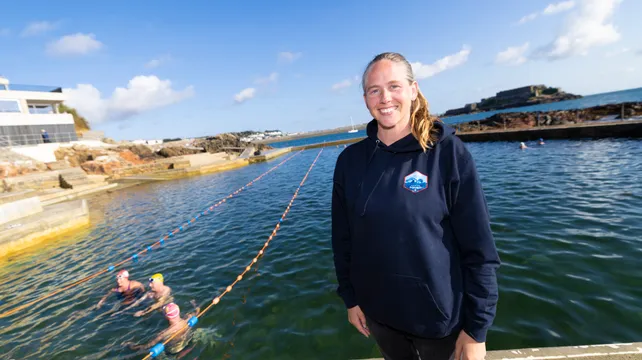
Summer term at Elizabeth College and that means cricket on the most gorgeous of playing fields just off King’s Road.
It also sees competitive athletics, once of the College Field too, but nowadays on the island’s synthetic track at Footes Lane.
Across those two fields there may well be some outstanding efforts, records broken perhaps, half-centuries amassed and ‘five-fors’ taken, but relatively nothing surely to compare with the five-star performances of the legendary Elizabethans of the late-1930s – one Brian Westland Rose and William ‘Bill’ Watling.
These LOOKback pages have previously paid tribute to these two outstanding sportsmen killed in the Second World War, but not for a decade and such is the legend of the pair, the tragedy of two outstanding lives lost so early, their stories are always worthy of repeat.
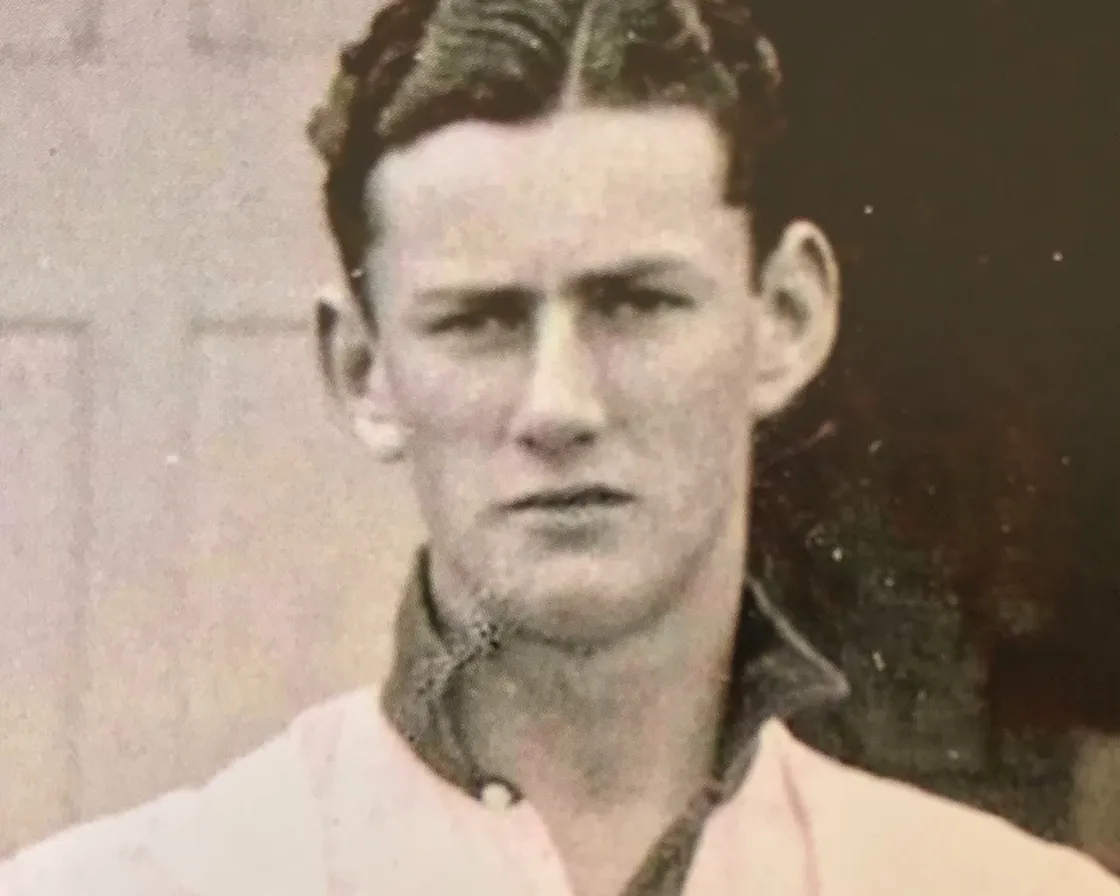
Brian Rose was the son of a reverend sent here to minister in the 1930s, his brother a noted islander – the schoolmaster Alec Rose.
Young Brian arrived at the college in the Trinity term of 1933 and would remain through to the age of 18, at which point he would join the RAF.
Bill Watling first went to the Boys’ Intermediate but in 1936 moved down the road to Elizabeth College and immediately shone in all areas of school life.
This recent OI entered the college in the same Michaelmas term as the likes of Vernon Collenette, Baron Pontin and Hubert Nicolle, and by 1938 both Rose and Watling were established in the school’s cricket, football and hockey 1st XIs.
On the running track Rose was junior athletics champion and set an inter-collegiate record in the high jump. Watling was faster still, setting school records over 220 and 440 yards and the inter-collegiate 100 yards mark. In the boxing ring, Watling twice won the school middleweight belt, while the heftier Rose took back-to-back heavyweight titles.
Come the long, hot summer of 1939 Rose and Watling were strong and ready to form arguably the best new-ball attack Elizabeth have ever had and traditional Jersey rivals Victoria were about to feel it for themselves.
With the tearaways ripping the batting apart with nine wickets between them, on their own wicket Victoria were shot out for just 35.
It might have been worse for the Victorians though. Rose took a hat-trick with the new ball, ‘bowling with making speed and virtually unplayable’ recorded the school magazine later that year.
But after just three overs Watling, the skipper, took pity on the hosts and withdrew his scary paceman out of the attack, while he himself plucked away to take 6 for 9.
That summer most of Elizabeth’s opponents were blown away, not least the Commercial League and GICC sides.
In one game against GICC Watling took 7 for 10 in 13 overs and 6 for 34 and 86 not out in destroying the League XI. In a re-match, Watling again ripped the representative side apart with 7 for 21.
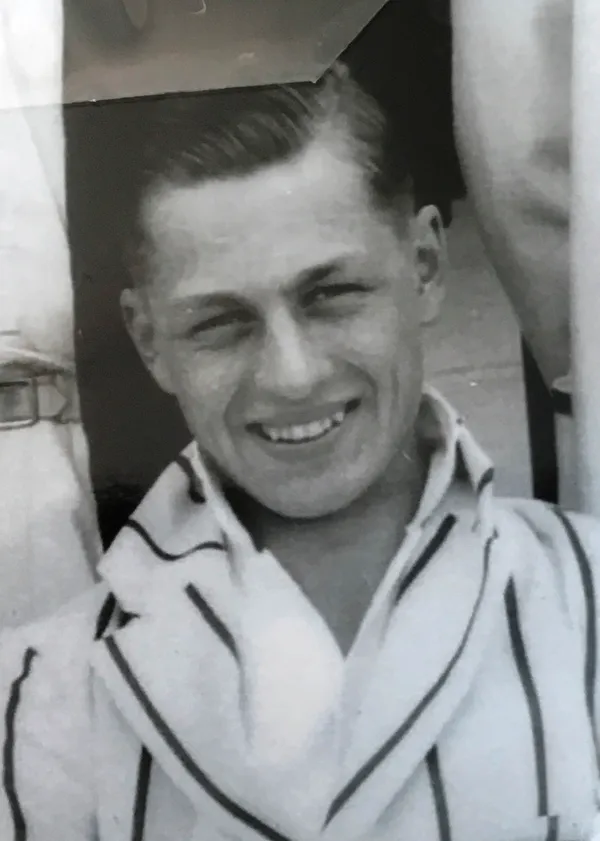
Within 24 months Watling, the boy who could run like the wind, bowl like a demon, pack a punch, play the violin and pass exams as easy as passing someone in the street, was dead, tragically killed in an air crash that should never have happened. He was 15 days short of his 21st birthday.
By then Watling had already survived one crash.
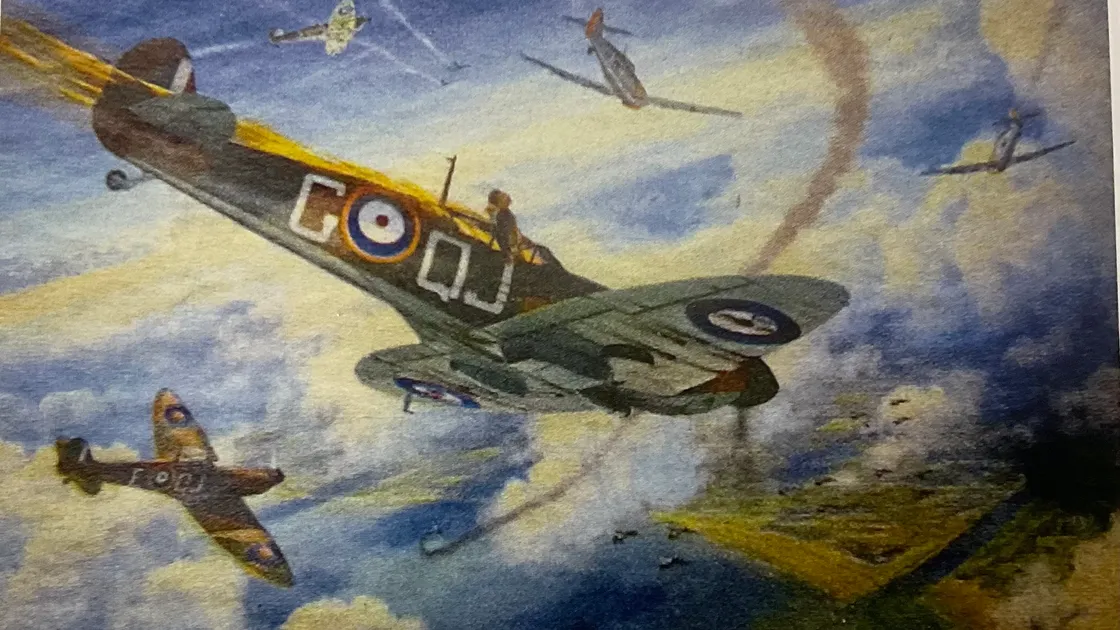
Like so many others, Watling was thrust into the aerial horror that was the Battle of Britain, part of 92 Squadron.
This particular great Elizabethan survived the Battle of Britain, although on one sortie he was shot down but battled out of his stricken aircraft, suffering severe burns to his hands and face.
His Spitfire had crashed inland, but Watling landed in the sea.
Once recovered from his wounds he was back in the air with 92 Squadron and in February 1941, he crashed again – this time fatally.
Flying from his new base at RAF Manston, Kent, he was detailed to fly a weather check and took off in what were already atrocious conditions.
On his return to Manston the winter weather worsened and in zero visibility he crashed into Wood Hill Copse, a hillside on the south coast near Deal. He was killed instantly. He is buried at St Mary Cray Cemetery, Orpington, Kent.
Rose was 23 when his life ended in another air incident far removed from the day, two years earlier, he torpedo-bombed the legendary German pocket-battleship Scharnhorst in the Channel.
That day his Swordfish aircraft was hit early in the action but though in great pain from a wound on his back, he held on his course to release his torpedo.
He flew back across the fire of the enemy escort and his aircraft, now on fire, came down in the sea.
Sub-Lieutenant Rose’s life was saved by his observer who dragged him from the water, unconscious into a dinghy from which they were picked up by a friendly motor torpedo boat.
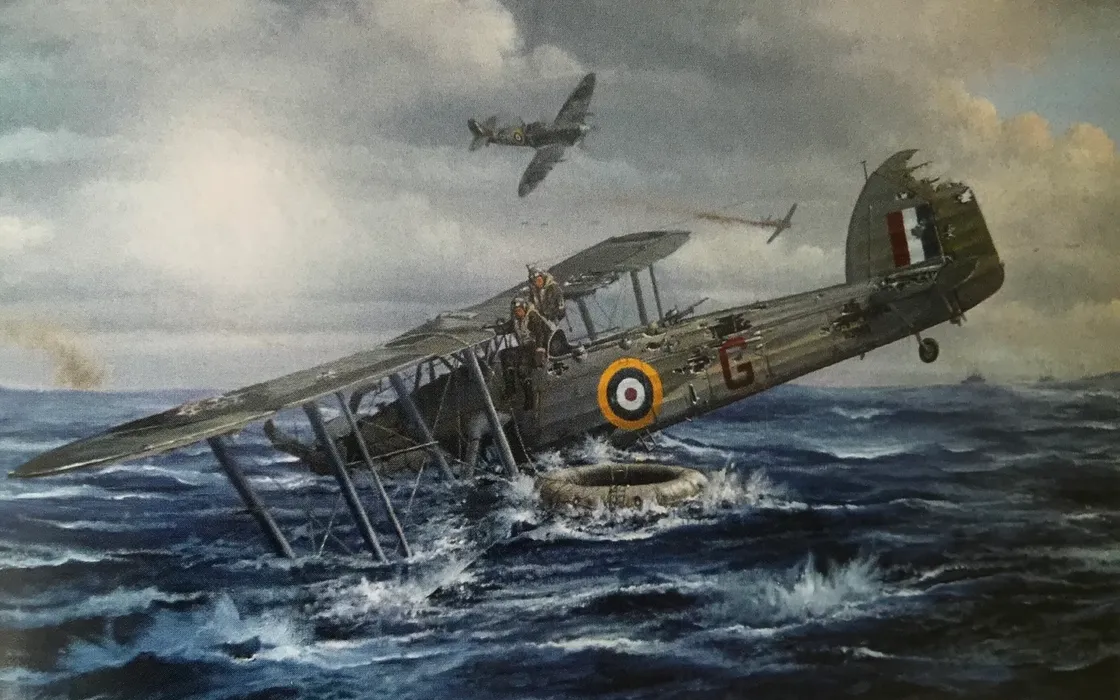
Both the OE and his observer were awarded DSOs for their bravery and, fully recovered, Rose was soon flying again only to lose his life in 1944.
He was waiting to be trained as a deck officer on aircraft carriers when he volunteered to deliver a Barracuda aircraft.
Known as pigs to fly, Rose was coming into land the Barracuda near Glasgow airport, all the while dangerously losing height and trying to bring his undercarriage down.
The aircraft fell out of the sky and he was killed.
When the news of Rose’s death filtered back to the college, Capt. Eric Chambers, the long-serving Elizabeth College master with a passion for sport, broke down in telling the exiled Elizabethans in Great Hucklow.
The late OE Rob Champion tells the story poignantly in Bruce Parker’s brilliant record of the school history.
He recounts the evening when, just before lights out, Chambers surprised a group of boys, and with tears streaming down his face, said he wanted to share some news with them: ‘We’ve lost Brian Rose. Watling’s gone and now it’s Rose,’ he choked.
Tragedy for the college Class of ‘39 did not start and end in the war years because before the summer term was out a third member of the school’s athletics team had drowned in a boating accident in Belle Greve bay.
Paul Leale, son of Jurat John Leale, was a fine jumper and against Victoria the previous month achieved a notable high and long jump double win.
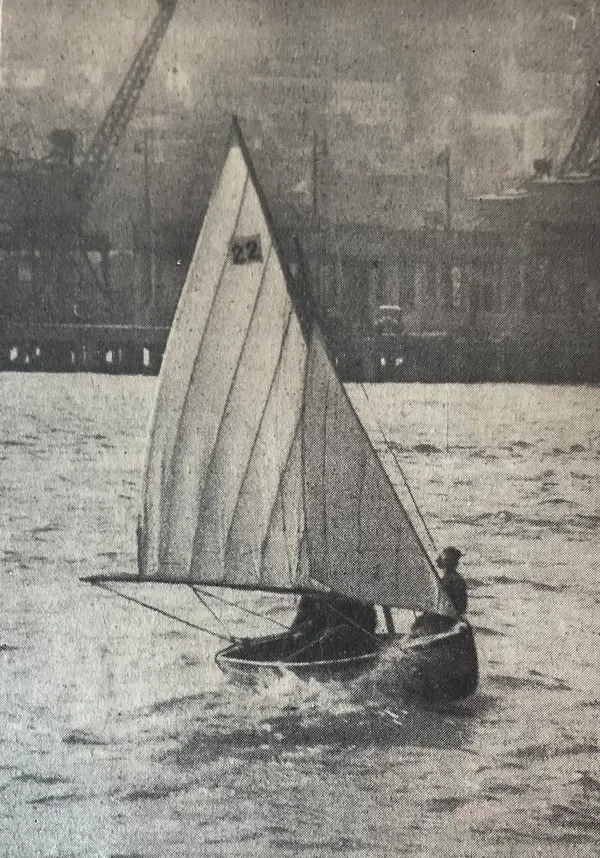
But on the first day of July, young Paul’s racing dinghy capsized within sight of his parents’ home at Bulwer Avenue. He was just 18.
All the while the dark clouds of war were looming and young Paul’s death cast a shadow over the college students’ farewell term.
In the matter of weeks Bill Watling was entering RAF Cranwell and familiarising himself with flying, as was his mate Brian Rose as a naval airman.
In the coming war Watling would shoot down at least one Messerschmitt, severely damage another.
He would also share in the destruction of a German Ju 88 and separately bale out of his own Spitfire.
All the while, Rose had to make do with an obsolete Swordfish torpedo bi-plane.
Collectively, the Class of ‘39 will be remembered as a hugely talented and heroic group, many of which signed up for the fight with the Germans.
Rose and Watling were among the unlucky ones, but inside the walls of old Elizabeth College their storied talent will never be forgotten and nor should it.